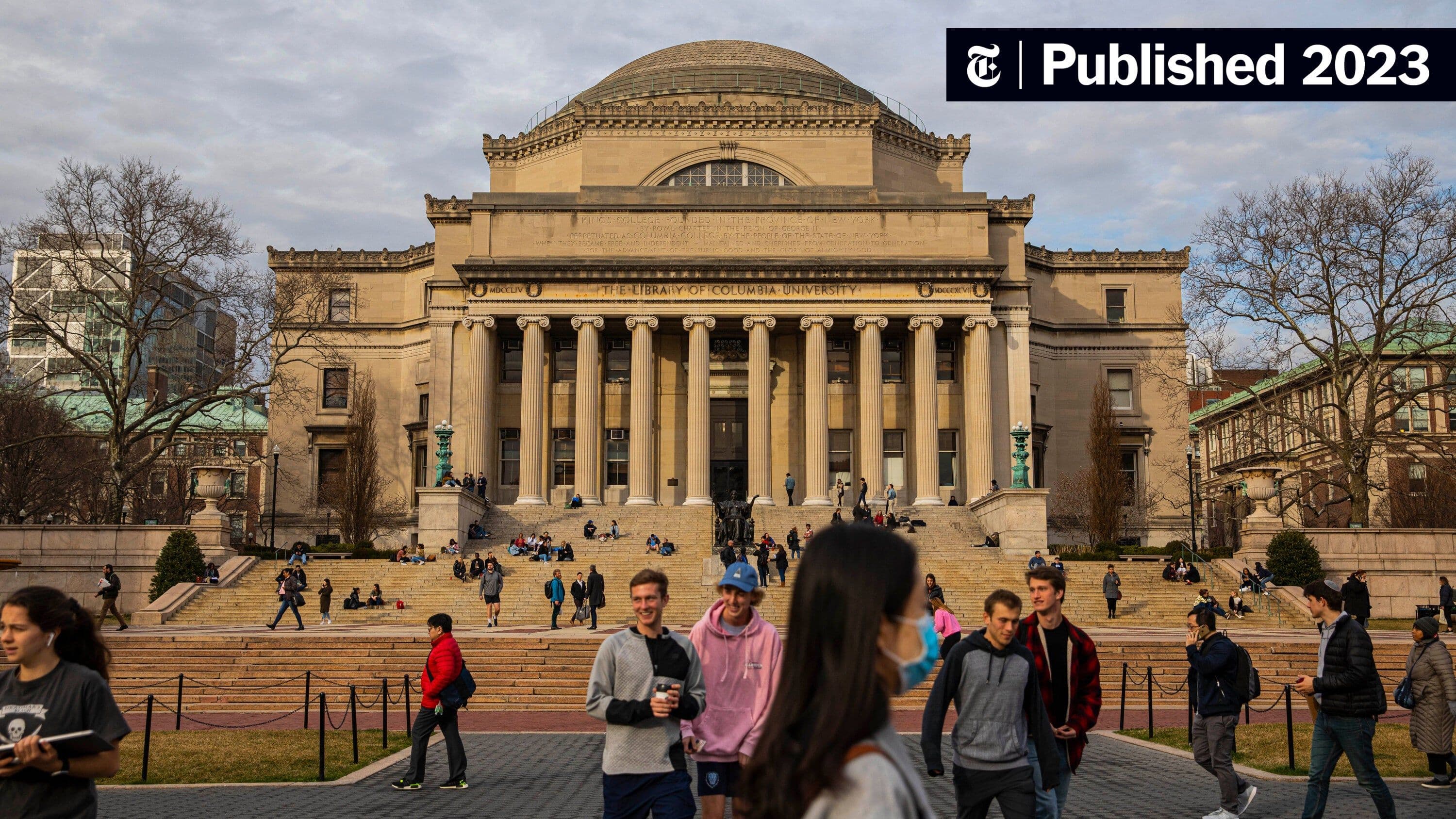

Political Analytics
The Master of Science in Political Analytics is a one and a half year full time program designed for students seeking advanced expertise in data driven political analysis, policy evaluation, and strategic decision making. The curriculum integrates quantitative methods, political theory, data modeling, and applied research to provide a comprehensive understanding of how data informs political strategies, campaigns, governance, and policy outcomes. Through this program, students develop quantitative analysis skills, data interpretation expertise, policy evaluation competencies, and strategic thinking abilities, preparing them to analyze political trends and support evidence based decision making in government, research, and consulting environments.
This on campus program offers an interactive and research focused learning environment where lectures, workshops, seminars, and applied projects enable students to apply analytical techniques to real world political scenarios. Students refine predictive modeling, statistical analysis, campaign and voter behavior analytics, and policy research methods through case studies, collaborative projects, and independent research. Graduates are prepared to work in political consultancy, government agencies, international organizations, think tanks, and research institutions, equipping them to develop data driven strategies, evaluate policy impacts, and contribute to informed political decision making and governance
Key Facts
Key Facts
- Program Title: Political Analytics
- Degree Type: Master of Science
- Duration: 1,5 years
- Mode of Study: Full-time, On Campus
- Application Deadline: 15 June 2026
- Location: Columbia University, United States
- Field of Study: Business Intelligence
- Language of Instruction: English
Program Structure
Semester 1 – Foundations in Political Analytics
• Introduction to Political Analysis
• Quantitative Methods for Political Science
• Data Modeling and Statistical Techniques
• Research Methods in Political Studies
Semester 2 – Applied Political Analytics
• Policy Evaluation and Analysis
• Predictive Modeling in Politics
• Seminar in Political Data Strategies
• Applied Project in Political Analytics
Semester 3 – Advanced Research and Strategic Implementation
• Capstone Project in Political Analytics
• Campaign and Voter Behavior Analysis
• Data Visualization and Interpretation
• Elective Modules in Governance, Policy, or Data Science
Career Opportunities
Graduates of this program are prepared for careers in political consultancy, government research, policy analysis, think tanks, and international organizations. Career paths include political data analyst, policy researcher, campaign strategist, government consultant, and political advisor. Graduates are equipped to analyze complex political data, interpret trends, develop evidence based strategies, and support decision making in public and private sectors. The program also prepares learners for leadership and advisory roles in research projects, policy evaluation teams, and consultancy organizations, enabling them to design innovative strategies, optimize campaign and governance approaches, and contribute meaningfully to political decision making and policy development.
Why Choose This Program
Students choose this program because it combines quantitative political analysis, data driven strategy, applied research skills, and policy evaluation expertise within a one and a half year intensive framework. The curriculum emphasizes both theoretical understanding and practical application, allowing learners to acquire analytical, strategic, and decision making skills necessary for success in political analytics. Graduates gain the knowledge, confidence, and competencies to pursue careers in political consultancy, research, policy advisory, and governance while contributing meaningfully to evidence based decision making, strategy development, and political innovation in diverse contexts.
Contact Information
For further information, please contact the admissions office at:
Phone: +1 212 854 1754
Email: admissions@columbia.edu
Address: University of Columbia, Admissions Office, New York, NY, United States
