
Prosthetics and Orthotics
The Master of Science in Prosthetics and Orthotics offers an academically rich and clinically grounded curriculum designed for students who want to gain advanced expertise in the evaluation, design, and fabrication of assistive devices that enhance patient mobility and quality of life. The program integrates coursework in clinical assessment, biomechanics, material science, and human locomotion, giving learners the advanced theoretical tools needed to understand the functional demands of the musculoskeletal system. Through blended learning, laboratory practice, and case-based study, students explore how prosthetic and orthotic devices are engineered to meet individualized patient needs, developing the technical accuracy and analytical thinking essential for evidence-based clinical decision-making.
Beyond foundational knowledge, the program emphasizes hands-on skill development through clinical simulations, fabrication workshops, supervised patient interactions, and interdisciplinary collaboration with physical therapists, physicians, and rehabilitation specialists. Students strengthen competencies in device fabrication, clinical reasoning, patient communication, and outcome evaluation while engaging in real-world scenarios that reflect contemporary rehabilitation environments. Exposure to evolving technologies, such as digital design tools, advanced materials, and sensor-based systems, helps learners understand how innovation is transforming prosthetic and orthotic practice. By combining scientific rigor with applied clinical experience, the program prepares graduates for professional roles that demand both technical mastery and compassionate patient care.
Key Facts
Key Facts
- Program Title: Prosthetics and Orthotics
- Degree Type: Master of Science
- Duration: 21 months
- Mode of Study: Full-time, Blended
- Application Deadline: 01 February 2026
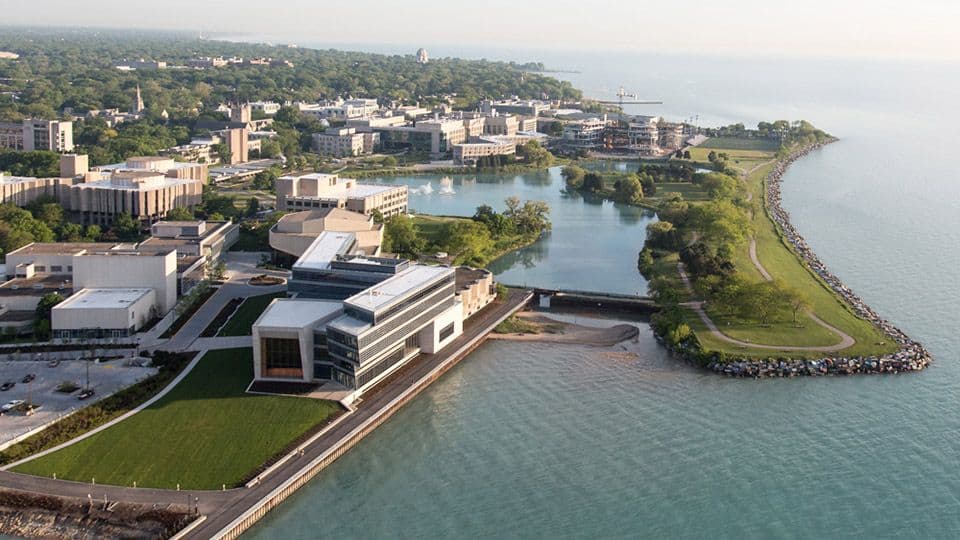
- Location: Northwestern University, United States
- Field of Study: Prosthetics and Orthotics
- Language of Instruction: English
Program Structure
Semester 1 – Foundations of Clinical Science, Anatomy & Biomechanics
• Human Anatomy and Movement Science
• Fundamentals of Prosthetics and Orthotics
• Biomechanics and Gait Analysis
• Clinical Assessment and Patient Evaluation
Semester 2 – Device Design, Fabrication & Applied Clinical Practice
• Materials and Fabrication Techniques
• Orthotic Systems and Intervention Planning
• Prosthetic Components and Design Concepts
• Clinical Skills Lab / Early Clinical Experience
Semester 3 – Advanced Practice, Technology Integration & Rehabilitation
• Advanced Prosthetic Applications
• Orthotic Management for Complex Conditions
• Digital Tools and CAD/CAM for P&O
• Interdisciplinary Clinical Case Studies
Semester 4 – Professional Practice, Research & Capstone
• Evidence-Based Practice and Outcome Measurement
• Professional Ethics and Healthcare Systems
• Clinical Residency / Fieldwork Placement
• Capstone Research Project in Prosthetics and Orthotics
Career Opportunities
Graduates of this program are prepared for specialized clinical and technical roles across rehabilitation and healthcare environments focused on patient mobility and functional restoration. Many professionals work in prosthetic and orthotic clinics, rehabilitation hospitals, medical device companies, and community health centers, contributing to patient assessment, device fabrication, treatment planning, and long-term care support. Responsibilities may include designing individualized prosthetic limbs, constructing orthotic supports, managing clinical fittings, modifying devices for comfort and function, and collaborating with interdisciplinary healthcare teams. With strong preparation in clinical reasoning, material technology, and patient-centered practice, graduates are also well suited for roles in research laboratories, pediatric rehabilitation programs, sports injury management, or emerging areas of sensor-enabled orthotic design. The program further provides a solid foundation for professional certification and advanced clinical specialization.
Why Choose This Program
This program is ideal for students seeking a comprehensive and clinically immersive pathway that fuses engineering principles with hands-on rehabilitation practice. Its curriculum emphasizes patient-centered care, technical innovation, and clinical proficiency, guiding learners from foundational anatomy to advanced device design and real-world clinical application. The blended 21-month structure supports continuous skill development through laboratory work, supervised clinical encounters, and a research-driven capstone that demonstrates professional competence. Students benefit from expert faculty mentorship, access to modern fabrication facilities, and interdisciplinary collaboration that reflects current healthcare standards. For individuals who want to make a meaningful impact in mobility restoration and rehabilitation science, this program offers a relevant, rigorous, and future-focused academic experience.
Contact Information
For further information, please contact the admissions office at:
Phone: +1 312 555 2040
Email: admissions@northwestern.edu
Address: University of Northwestern, 633 Clark Street, Evanston, IL 60208, United States
