
The Bachelor of Arts in Psychology is a comprehensive four-year undergraduate program that offers students a rich exploration into the human mind, behavior, and emotions. Designed to provide both a theoretical and practical understanding of psychological science, the program covers key areas such as cognitive processes, emotional development, social interaction, personality theory, and mental health. Students gain foundational knowledge in research methods and statistical analysis while also exploring the biological and sociocultural factors that shape human thought and behavior across the lifespan.
This program emphasizes critical thinking, ethical awareness, and scientific inquiry. Through diverse coursework, hands-on experiments, psychological assessments, and optional internship placements, students are equipped to analyze behavior in personal, clinical, educational, and organizational contexts. With its interdisciplinary outlook, the curriculum encourages students to draw connections between psychology and related fields such as sociology, neuroscience, education, and philosophy, preparing them for both further study and direct career paths after graduation.
Key Facts
Key Facts
- Program Title: Psychology
- Degree Type: Bachelor of Arts
- Duration: 4 years
- Mode of Study: Full-time, On Campus
- Application Deadline: 01 January 2026
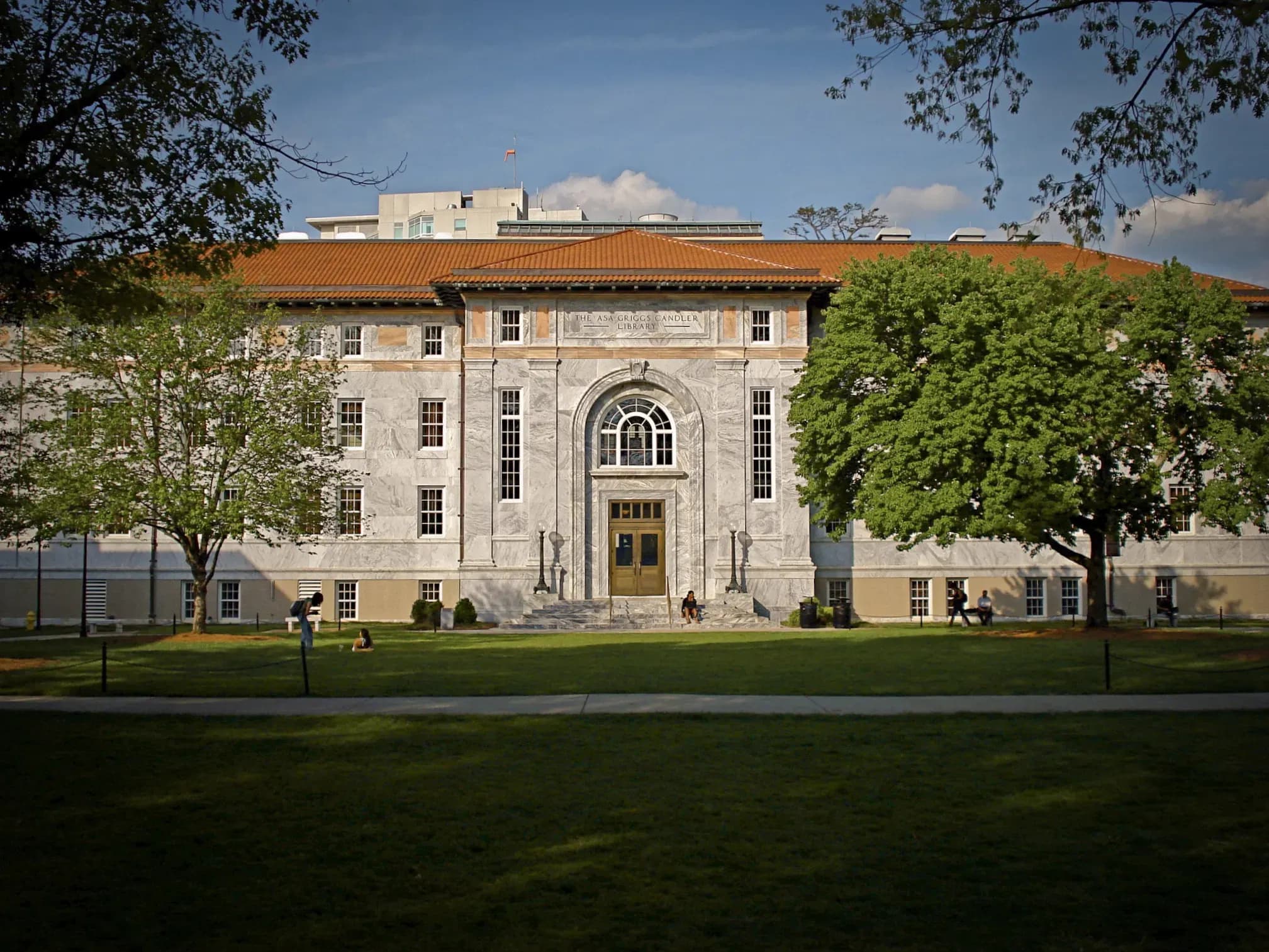
- Location: Emory University, United States
- Field of Study: Psychology
- Language of Instruction: English
Program Structure
Year 1 – Introduction to Psychology
• General Psychology
• Introduction to Statistics
• History and Systems of Psychology
• Academic Writing in Social Sciences
Year 2 – Foundations of Theory
• Developmental Psychology
• Cognitive Psychology
• Social Psychology
• Research Methods
Year 3 – Advanced Topics
• Abnormal Psychology
• Biological Psychology
• Psychology of Personality
• Elective: Health Psychology / Educational Psychology
Year 4 – Application & Research
• Psychological Assessment
• Ethics in Psychology
• Capstone Research Project
• Internship or Field Placement
Career Opportunities
Graduates of the Psychology program possess a well-rounded understanding of human behavior and mental processes, allowing them to pursue a broad spectrum of professional opportunities across multiple sectors. They are well-prepared for roles such as mental health assistant, human resources specialist, market research analyst, educational counselor, and rehabilitation case manager. Their skills in observation, communication, data analysis, and interpersonal understanding are especially valuable in healthcare, education, business, criminal justice, and non-profit organizations. Many graduates also go on to pursue advanced degrees in clinical psychology, counseling, neuroscience, social work, or organizational psychology to become licensed professionals or researchers. The flexibility of the degree makes it ideal for those who want to explore diverse pathways while contributing positively to individual and societal well-being.
Why Choose This Program
Choosing a Bachelor of Arts in Psychology means engaging in a journey of both personal growth and professional development. This program not only provides deep academic insight into the mechanisms of human behavior but also helps students build empathy, communication skills, and scientific reasoning — all of which are essential in today’s people-centered world. With opportunities for practical experience, access to research labs, mentorship from experienced faculty, and a curriculum rooted in both science and humanity, students graduate with a powerful toolkit for success. Whether you aspire to work directly with individuals in need or shape policies that influence community mental health, this program offers the academic foundation and real-world preparation to help you make a lasting difference.
Contact Information
For further information, please contact the admissions office at:
Phone: +1 404 727 6123
Email: contentedit@emory.edu
Address: University of Emory, 201 Dowman Drive, Atlanta, GA 30322, United States
