Public Health and Theology
The Master of Public Health in Public Health and Theology at Emory University is a three-year, full-time interdisciplinary program that explores how spiritual beliefs, ethical values, and religious traditions influence population health, healthcare delivery, and community well-being. Designed for students with a passion for integrating faith-based leadership, public health science, and social justice, this program offers a holistic approach to addressing health disparities, health behaviors, and ethical dilemmas in both domestic and global contexts. Through coursework that combines epidemiology, biostatistics, theology, ethics, and pastoral care, students learn to understand the spiritual dimensions of health and the role of religious institutions in shaping public health outcomes.
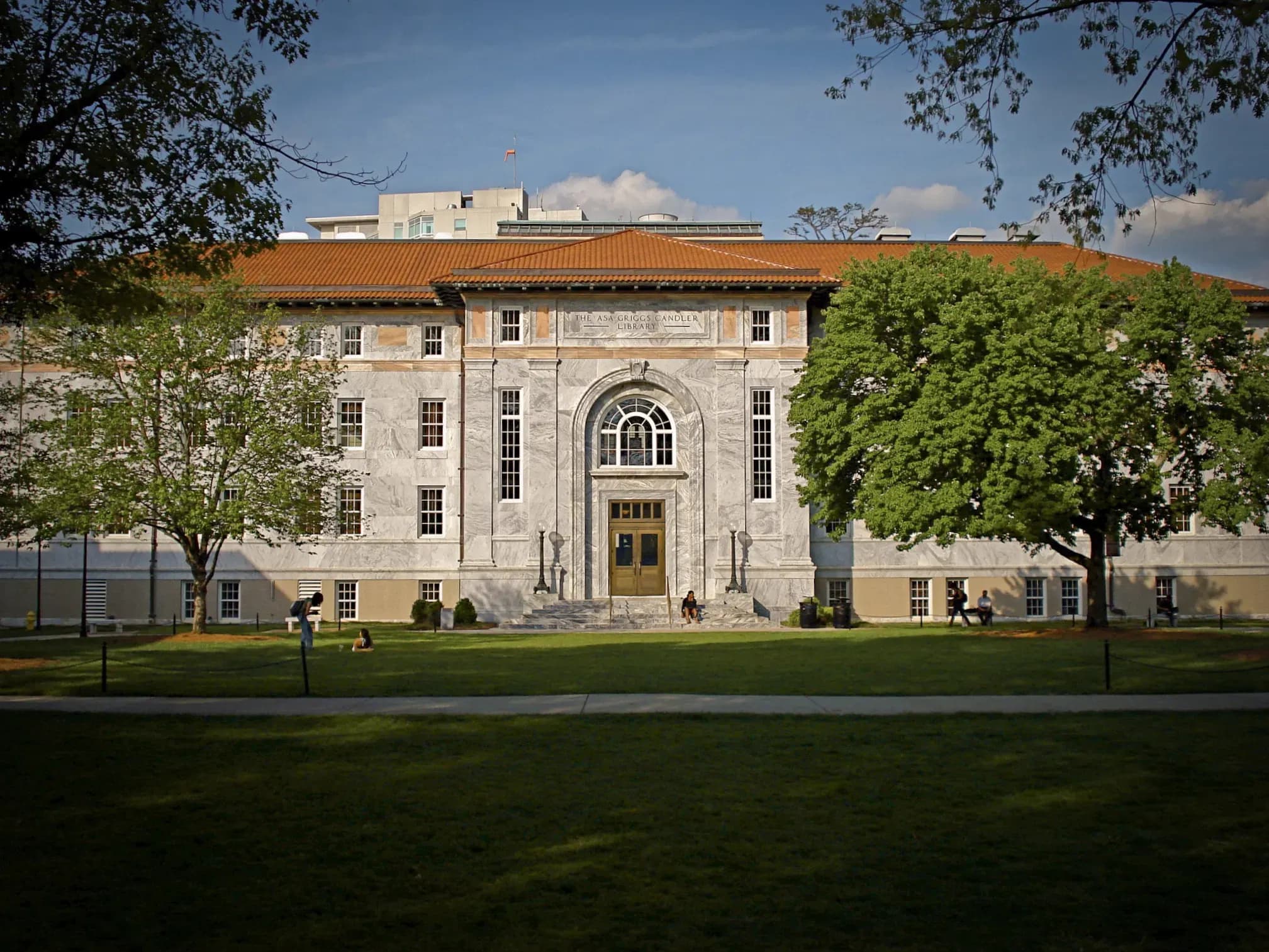
Emory’s unique academic environment—home to both a top-ranked School of Public Health and a distinguished School of Theology—provides students with access to faculty experts from both disciplines. The program includes applied practice experiences, fieldwork in faith-based organizations, and opportunities for theological reflection grounded in real-world public health challenges. Students engage with issues such as mental health stigma, HIV/AIDS, maternal and child health, and community healing, especially in underserved or religiously affiliated communities. With a focus on compassionate leadership, cultural humility, public health strategy, and moral responsibility, this program prepares graduates to advocate for both physical and spiritual well-being in diverse populations.
Key Facts
Key Facts
- Program Title: Public Health and Theology
- Degree Type: Master of Public Health
- Duration: 3 years
- Mode of Study: Full-time, On Campus
- Application Deadline: 15 March 2026
- Location: Emory University, United States
- Field of Study: Public Health
- Language of Instruction: English
Program Structure
Year 1 – Foundations in Public Health and Theology
- Introduction to Public Health Principles
- Foundations of Christian Ethics and Public Life
- Epidemiologic Methods I
- Theology of Health and Healing
Year 2 – Application, Research, and Field Practice
- Biostatistics and Data Analysis in Public Health
- Pastoral Theology and Health Ministries
- Social Determinants of Health and Theology of Justice
- Practicum I: Community-Based or Faith-Based Organization
Year 3 – Integration, Leadership, and Capstone
- Health Promotion and Faith-Based Outreach
- Public Health Ethics and Spiritual Care
- Capstone Project Seminar in Public Health and Theology
- Practicum II and Final Presentation
Career Opportunities
Graduates of Emory’s MPH in Public Health and Theology are uniquely qualified for roles that require expertise in both health sciences and faith-based leadership. They serve as faith-based health educators, community health chaplains, program directors, and policy advocates in religious institutions, nonprofit organizations, public health agencies, and academic settings. Many contribute to global health ministries, spiritual wellness programs, and mental health advocacy initiatives, working at the intersection of religion, health, and social service. Some graduates assume roles in hospital ethics committees, interfaith coalitions, or pastoral care teams, addressing the physical and emotional needs of vulnerable populations. Others may pursue doctoral or theological studies, deepening their engagement in health policy, education, or spiritual leadership. Emory-trained professionals are recognized for their cultural sensitivity, ethical clarity, and ability to mobilize communities through values-driven public health initiatives.
Why Choose This Program
The Public Health and Theology program at Emory University offers a truly interdisciplinary and mission-driven educational experience that is rare among public health graduate programs. It provides a powerful combination of scientific training, ethical grounding, spiritual insight, and field-based learning, equipping students to lead public health efforts with both technical skill and human compassion. Faculty from the Rollins School of Public Health and Candler School of Theology collaborate closely to offer a curriculum that respects both scientific rigor and theological depth. Students are supported by mentors who understand the real-world complexity of faith-informed health practice and who empower them to build careers that serve both body and soul. For those who feel called to work at the intersection of healing and hope, this program offers a unique path toward meaningful impact in healthcare, ministry, and global health leadership.
Contact Information
For further information, please contact the admissions office at:
Phone: +1 404 727 6123
Email: contentedit@emory.edu
Address: University of Emory, 201 Dowman Drive, Atlanta, GA 30322, United States
