
Public Health in Health Education and Health Communication
The Public Health in Health Education and Health Communication program provides a comprehensive foundation for students who aim to develop the skills needed to promote health literacy, influence health behaviors, and design effective communication strategies for diverse populations. Through coursework grounded in behavioral science, communication theory, epidemiology, and public health practice, learners gain the analytical capacity to understand how messages, media, and community engagement shape health outcomes. The curriculum highlights the importance of cultural context, evidence-based intervention design, and strategic messaging in improving population health and reducing disparities. This strong theoretical and methodological base prepares students to address complex health challenges in both local and global settings.
Along with its academic depth, the program emphasizes practical experience through applied projects, fieldwork, message development assignments, and collaborative learning activities. Students work closely with faculty who have extensive expertise in public health campaigns, communication strategy, and community-based research, giving them insight into real-world program implementation. Workshops and seminars help learners strengthen their abilities in health communication, audience analysis, partnership-building, and program evaluation. By integrating theory with hands-on practice, the program equips graduates with the knowledge and confidence to design, implement, and assess communication strategies that effectively promote positive health behaviors and support public health goals.
Key Facts
Key Facts
- Program Title: Public Health in Health Education and Health Communication
- Degree Type: Master of Science
- Duration: 1,5 years
- Mode of Study: Full-time, On Campus
- Application Deadline: 01 March 2026
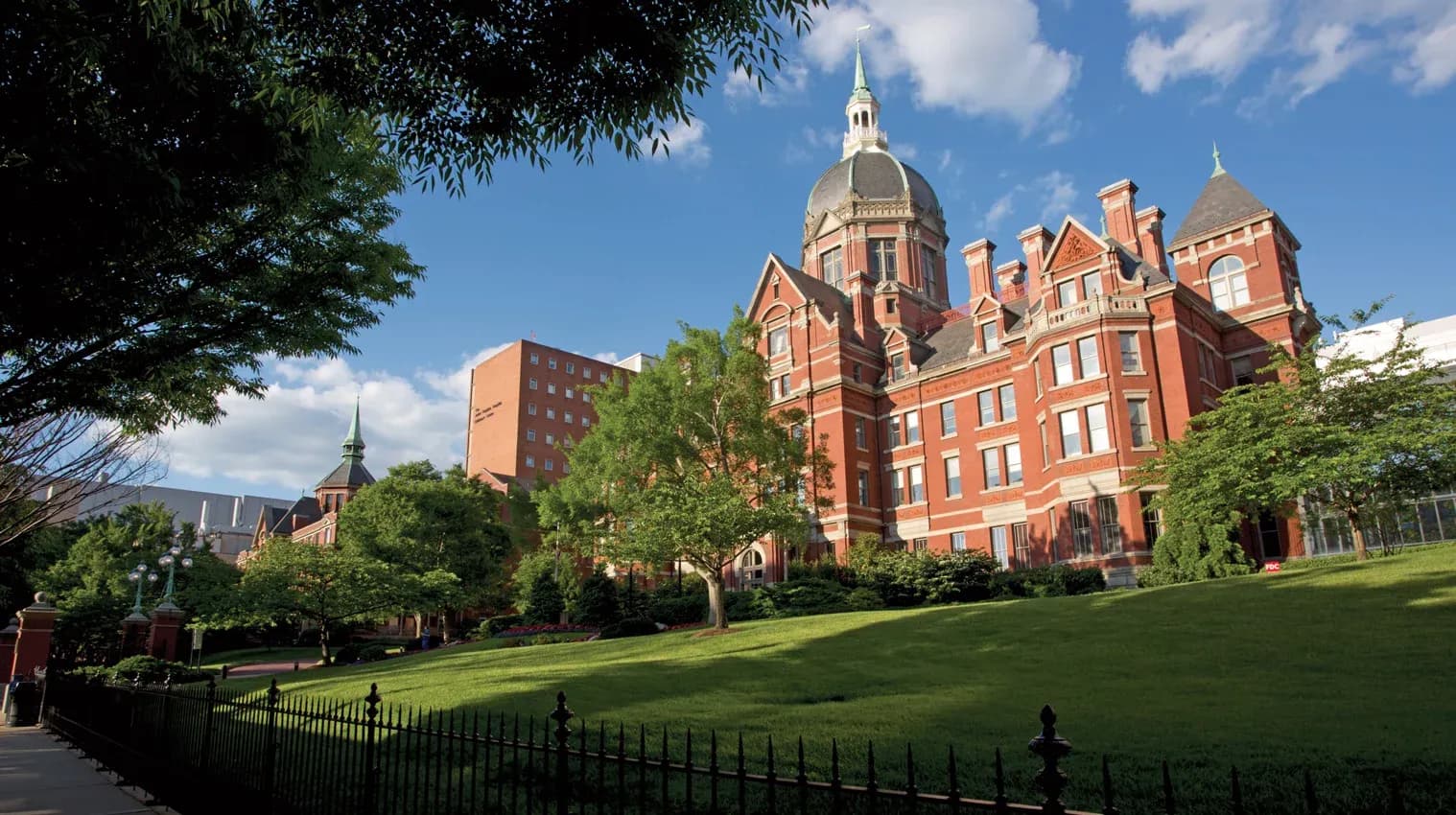
- Location: Johns Hopkins University, United States
- Field of Study: Public Health
- Language of Instruction: English
Program Structure
Semester 1 – Foundations of Health Education & Communication
• Behavioral Theories in Public Health
• Principles of Health Communication
• Epidemiologic Methods
• Research Design for Public Health Messaging
Semester 2 – Applied Strategies in Education & Community Engagement
• Health Education Program Planning
• Message Development and Health Literacy
• Community Health Assessment
• Data Analysis for Communication Research
Semester 3 – Integration, Evaluation & Capstone Project
• Communication Campaign Evaluation
• Leadership in Health Education
• Seminar in Behavioral and Communication Sciences
• Capstone Project / Field-Based Application
Career Opportunities
Graduates of this program pursue roles in public health agencies, non-profit organizations, healthcare institutions, and community-based programs, where they design and implement communication initiatives that promote healthier behaviors. Many work as health educators, public health communication specialists, program coordinators, outreach managers, or behavioral research analysts. Others contribute to global health organizations, academic institutions, and policy groups, supporting initiatives related to health promotion, disease prevention, community engagement, and culturally informed messaging. With strong training in program planning, communication strategy, and audience-centered education, graduates are well prepared for impactful roles that require guiding public understanding and shaping health behaviors.
Why Choose This Program
This program is an excellent choice for students who want to combine behavioral science with communication strategy to address public health challenges through effective messaging and education. The curriculum develops strategic communication, behavioral insight, and evidence-based planning, giving learners the tools needed to design initiatives that resonate with diverse audiences and drive measurable change. Students benefit from mentorship by faculty experienced in public health campaigns and community engagement, as well as opportunities to participate in real-world projects that reflect current communication needs. Through interdisciplinary coursework, practical field experiences, and a capstone focused on applied communication, learners gain the skills necessary to craft impactful messages, evaluate program effectiveness, and influence public health practice. Ultimately, this program prepares graduates to lead efforts that enhance health literacy, reduce disparities, and promote healthier communities through informed communication.
Contact Information
For further information, please contact the admissions office at:
Phone: +1 410 516 8000
Email: admissions@jhu.edu
Address: Johns Hopkins University, 3400 N. Charles Street, Baltimore, MD 21218, USA
