.png&w=640&q=75)
Quantitative Methods in Biodiversity, Conservation and Epidemiology
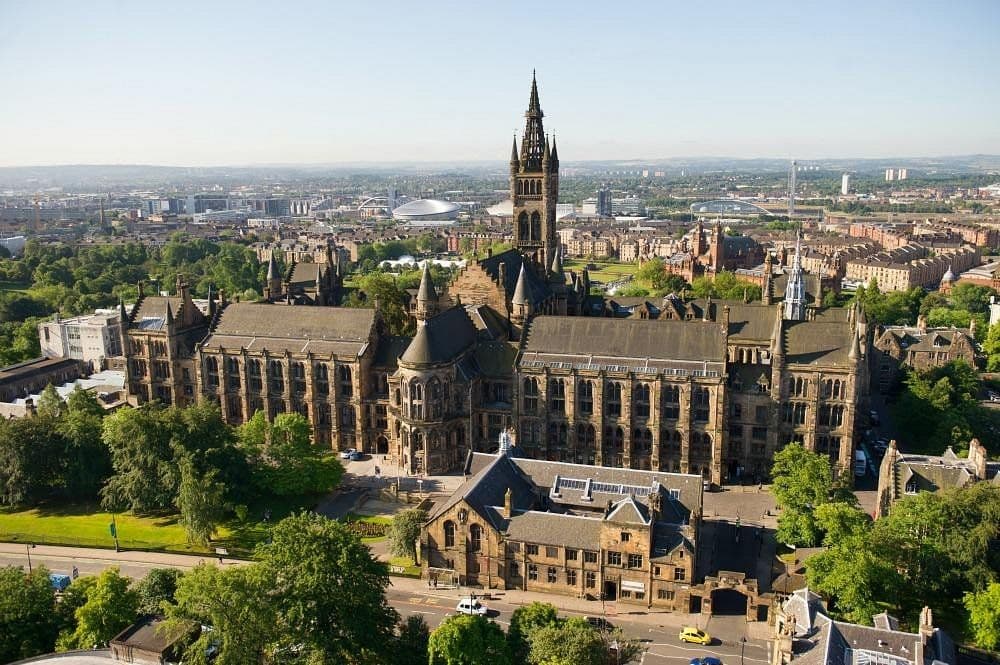
The Quantitative Methods in Biodiversity, Conservation, and Epidemiology MSc at the University of Glasgow is a one-year, full-time program that provides students with the statistical and computational tools needed to analyze biodiversity data, conservation efforts, and epidemiological trends. Students will learn methods such as statistical modeling, ecological data analysis, and epidemiological techniques that are crucial for studying the impacts of environmental change, disease transmission, and conservation policies.
Graduates will be well-prepared for careers in environmental research, wildlife conservation, public health, or epidemiology. The program is designed for students interested in pursuing roles in governmental organizations, environmental NGOs, or research institutions that focus on biodiversity conservation, environmental health, and epidemiological research.
Key Facts
Key Facts
- Program Title: Quantitative Methods in Biodiversity, Conservation and Epidemiology
- Degree Type: Master of Science
- Duration: 1 year
- Mode of Study: Full-time, On Campus
- Application Deadline: 07 July 2026
- Location: University of Glasgow, United Kingdom
- Field of Study: Biodiversity & Conservation
- Language of Instruction: English
Program Structure
Semester 1 – Foundations of Quantitative Methods in Biodiversity and Conservation
- Introduction to Biodiversity and Conservation Science
- Statistical Methods for Ecological Research
- Conservation Ecology and Ecosystem Services
- Epidemiological Models and Approaches in Conservation
- Research Methods in Biodiversity and Conservation
Semester 2 – Advanced Quantitative Techniques and Applications
- Advanced Statistical Modelling for Ecological Data
- GIS and Remote Sensing for Biodiversity Monitoring
- Population Dynamics and Species Conservation
- Disease Ecology and Epidemiology in Conservation
- Dissertation / Research Project
Career Opportunities
Graduates of the Quantitative Methods in Biodiversity, Conservation and Epidemiology program are well-equipped for a wide range of roles in environmental research, conservation management, and public health. They can pursue careers as Ecologists, Conservation Scientists, Epidemiologists, or Environmental Consultants in government agencies, non-governmental organizations (NGOs), wildlife conservation organizations, and research institutions. Graduates may also find opportunities in international conservation and biodiversity projects, contributing to the management and protection of ecosystems and species. The program also provides a strong foundation for those interested in pursuing further research or academic careers in biodiversity and epidemiology.
Why Choose This Program
The Master of Science in Quantitative Methods in Biodiversity, Conservation and Epidemiology at the University of Glasgow equips students with advanced statistical and analytical skills necessary to tackle pressing issues in biodiversity and conservation. The program combines quantitative ecological research techniques with practical applications in conservation biology and disease ecology. Students gain hands-on experience in using GIS, remote sensing, and advanced statistical models, preparing them for complex real-world problems in wildlife management and conservation. The strong focus on both biodiversity and epidemiology ensures graduates are well-prepared to address the interconnected challenges of ecosystem health, species conservation, and disease spread in animal populations. This program is ideal for those who wish to play a crucial role in global conservation efforts and biodiversity protection.
Contact Information
For further information, please contact the admissions office at:
Phone: +44 (0)141 330 2000
Email: admissions@glasgow.ac.uk
Address: University of Glasgow, University Avenue, Glasgow G12 8QQ, United Kingdom
