Reading Education
The 1-year Master of Education in Reading Education offers an intensive and focused exploration of reading development, literacy instruction, and assessment strategies. Students study theories of literacy, language acquisition, and cognitive development while gaining practical experience through classroom observations, teaching workshops, and applied research projects. The program emphasizes the development of analytical skills, instructional expertise, and evidence-based approaches to improve reading outcomes for learners of all ages. Participants gain insight into effective reading strategies, curriculum design, and assessment techniques, preparing them to support literacy development in diverse educational settings.
Beyond theoretical knowledge, students actively apply their learning through practical experiences in classrooms and literacy programs. They develop instructional materials, assess reading performance, and design interventions to address learning challenges. The curriculum combines rigorous academic study with applied practice, ensuring graduates leave with the confidence and skills to implement effective literacy strategies. With guidance from experienced faculty and access to research resources, students are equipped to innovate, evaluate programs, and contribute to educational policy and literacy initiatives in schools and communities.
Key Facts
Key Facts
- Program Title: Reading Education
- Degree Type: Master of Education
- Duration: 1 year
- Mode of Study: Full-time, On Campus
- Application Deadline: 03 February 2026
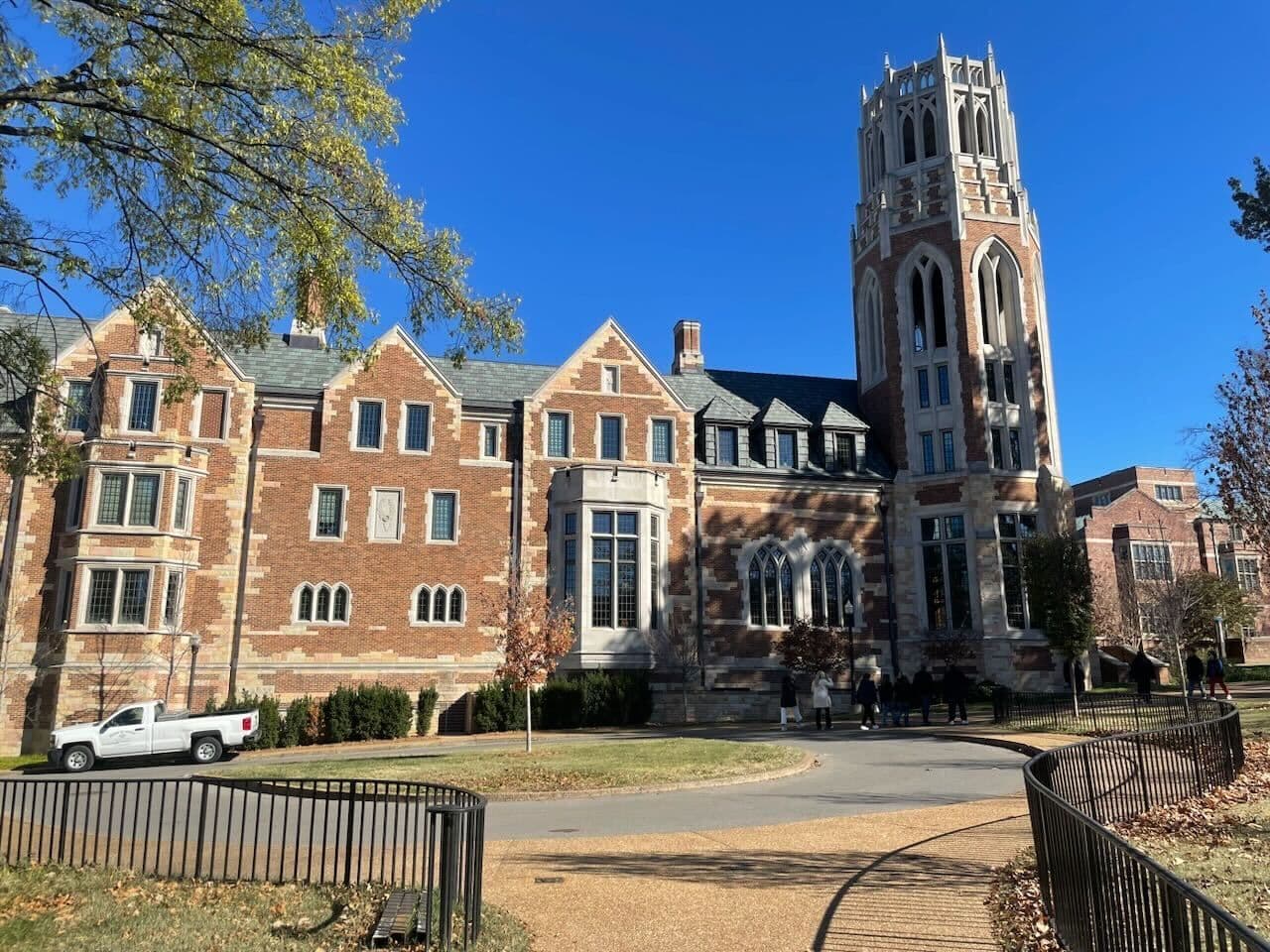
- Location: Vanderbilt University, United States
- Field of Study: Education
- Language of Instruction: English
Program Structure
Semester 1 – Foundations in Reading and Literacy
• Introduction to Reading Development Theories
• Language Acquisition and Literacy Principles
• Research Methods in Reading Education
• Observation and Assessment of Reading Skills
Semester 2 – Applied Literacy Instruction & Professional Practice
• Instructional Strategies for Reading Improvement
• Curriculum Design for Literacy Programs
• Inclusive and Differentiated Literacy Practices
• Capstone Project in Reading Education
Career Opportunities
Graduates of this program are prepared for a range of careers in literacy education, reading instruction, curriculum development, educational consulting, and research in reading programs. They can work in schools, educational organizations, non-profits, and community literacy programs aimed at improving reading outcomes. The program emphasizes practical teaching experience and applied research, allowing graduates to design effective instructional strategies, assess reading development, and implement innovative literacy interventions. Students gain the skills needed to lead reading programs, support diverse learners, and influence educational policies that improve literacy rates. Graduates leave equipped to make meaningful contributions to the field of education, supporting students’ reading success and fostering lifelong learning.
Why Choose This Program
This program is ideal for individuals seeking specialized expertise in reading and literacy education combined with practical experience. The one-year intensive structure enables students to fully engage with theoretical foundations and applied literacy practices. Participants benefit from mentorship by experienced faculty, opportunities for hands-on teaching, and collaborative research projects that strengthen professional development. Graduates are prepared to design evidence-based reading programs, implement instructional strategies, and lead initiatives that promote literacy and reading proficiency. By combining rigorous academic study with real-world application, students acquire the knowledge, skills, and confidence necessary to make a lasting impact on literacy education and foster improved learning outcomes for all students.
Contact Information
For further information, please contact the admissions office at:
Phone: (615) 322-2561
Email: admissions@vanderbilt.edu
Address: University of Vanderbilt, Office of Undergraduate Admissions, 2305 West End Avenue, Nashville, TN 37203‑1727, United States
