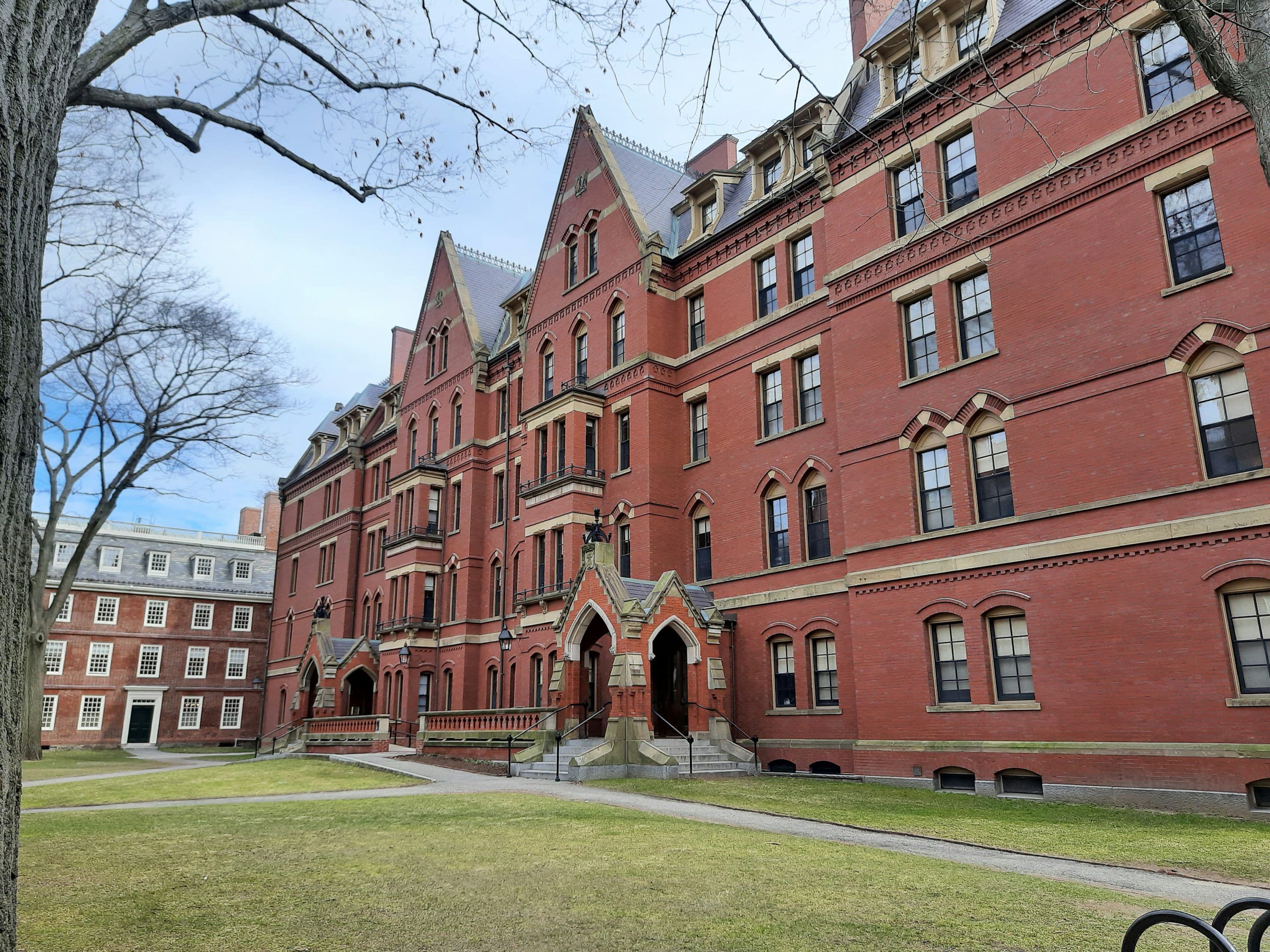

Religion and Public Life
The Religion and Public Life program provides a comprehensive academic environment for examining how religious traditions influence today’s social structures, political systems, and cultural dynamics. The curriculum integrates key perspectives from philosophy, ethics, and public thought, enabling students to understand the complex ways in which belief systems shape civic debates. Throughout this program, students explore interactions between public ethics, social theory, cultural narratives, and religious identity, gaining an analytical framework that supports informed engagement with contemporary global issues.
This program is designed for individuals who wish to study religion not only as a cultural or historical phenomenon but also as a driving force in modern public life. Students engage with philosophical inquiry, interpretive methods, and rigorous research tools that help illuminate how religious perspectives influence governance, education, and public communication. By blending theoretical depth with applied analysis, the program prepares learners to address societal challenges through critical reflection, ethical reasoning, contextual analysis, and scholarly interpretation, forming a strong foundation for both academic and professional pursuits.
Key Facts
Key Facts
- Program Title: Religion and Public Life
- Degree Type: S. Master
- Duration: 1 year
- Mode of Study: Full-time, On Campus
- Application Deadline: 01 January 2026
- Location: Harvard University, United States
- Field of Study: Philosophy
- Language of Instruction: English
Program Structure
• Semester 1 – Foundations in Religion, Society, and Public Thought
Introduction to Religion and Public Life
Philosophical Approaches to Ethics and Society
Social Theory and Contemporary Public Issues
Research Methods in Humanities
• Semester 2 – Applied Analysis and Public Engagement
Religion, Politics, and Global Governance
Modern Philosophical Debates in the Public Sphere
Public Communication and Cultural Interpretation
Seminar: Case Studies in Religion and Public Policy
Career Opportunities
Graduates of this program are well-prepared to contribute to fields where cultural understanding, ethical awareness, and analytical reasoning are essential. The curriculum equips students to pursue roles in public policy, research analysis, nonprofit management, and community engagement, particularly in organizations working on social development, cultural dialogue, and educational outreach. Many graduates find opportunities in academic institutions, advocacy groups, think tanks, and cultural centers that require strong interpretive skills and an ability to connect religious perspectives with modern civic issues. The program’s emphasis on interdisciplinary thinking and applied research ensures that students can navigate diverse professional environments, support informed decision-making, and contribute meaningfully to discussions involving religious diversity, social transformation, and ethical leadership.
Why Choose This Program
This program offers a rigorous academic setting for those who wish to understand religion’s role in shaping public institutions, civic values, and global debates. Its interdisciplinary structure allows students to deepen their expertise in critical reasoning, ethical evaluation, cultural interpretation, and philosophical inquiry, while simultaneously developing applied skills relevant to policy analysis and public communication. The curriculum encourages students to approach contemporary challenges with intellectual depth, enabling them to analyze how religious ideas influence social change and political decision-making. By providing broad theoretical foundations alongside practical research experience, the program supports both career advancement and academic growth, making it a strong choice for individuals seeking to engage thoughtfully with the intersection of religion and public life.
Contact Information
For further information, please contact the admissions office at:
Phone: +1 617 495 1000
Email: admissions@harvard.edu
Address: University of Harvard, Cambridge, MA 02138, United States
