The Bachelor of Arts in Religion offers students an in-depth and intellectually rigorous exploration of religious traditions, texts, and thought systems from around the world. Through a multidisciplinary lens, the program examines the historical development, cultural significance, and philosophical foundations of major world religions, including Christianity, Islam, Judaism, Hinduism, Buddhism, and indigenous traditions. Students engage critically with sacred texts, theological arguments, and religious practices, gaining the tools to interpret how religion influences personal identity, social norms, political ideologies, and global events.
Over the course of four years, students participate in thought-provoking discussions, conduct research across disciplines such as philosophy, sociology, history, and anthropology, and explore how religious beliefs intersect with issues of ethics, justice, gender, and globalization. The program promotes analytical thinking, ethical reflection, and strong communication skills. Many courses include comparative perspectives and encourage students to understand both historical roots and contemporary expressions of faith. Whether through textual analysis, ethnographic study, or philosophical debate, students build a comprehensive understanding of how religion continues to shape societies and human experiences.
Key Facts
Key Facts
- Program Title: Religion
- Degree Type: Bachelor of Arts
- Duration: 4 years
- Mode of Study: Full-time, On Campus
- Application Deadline: 01 January 2026
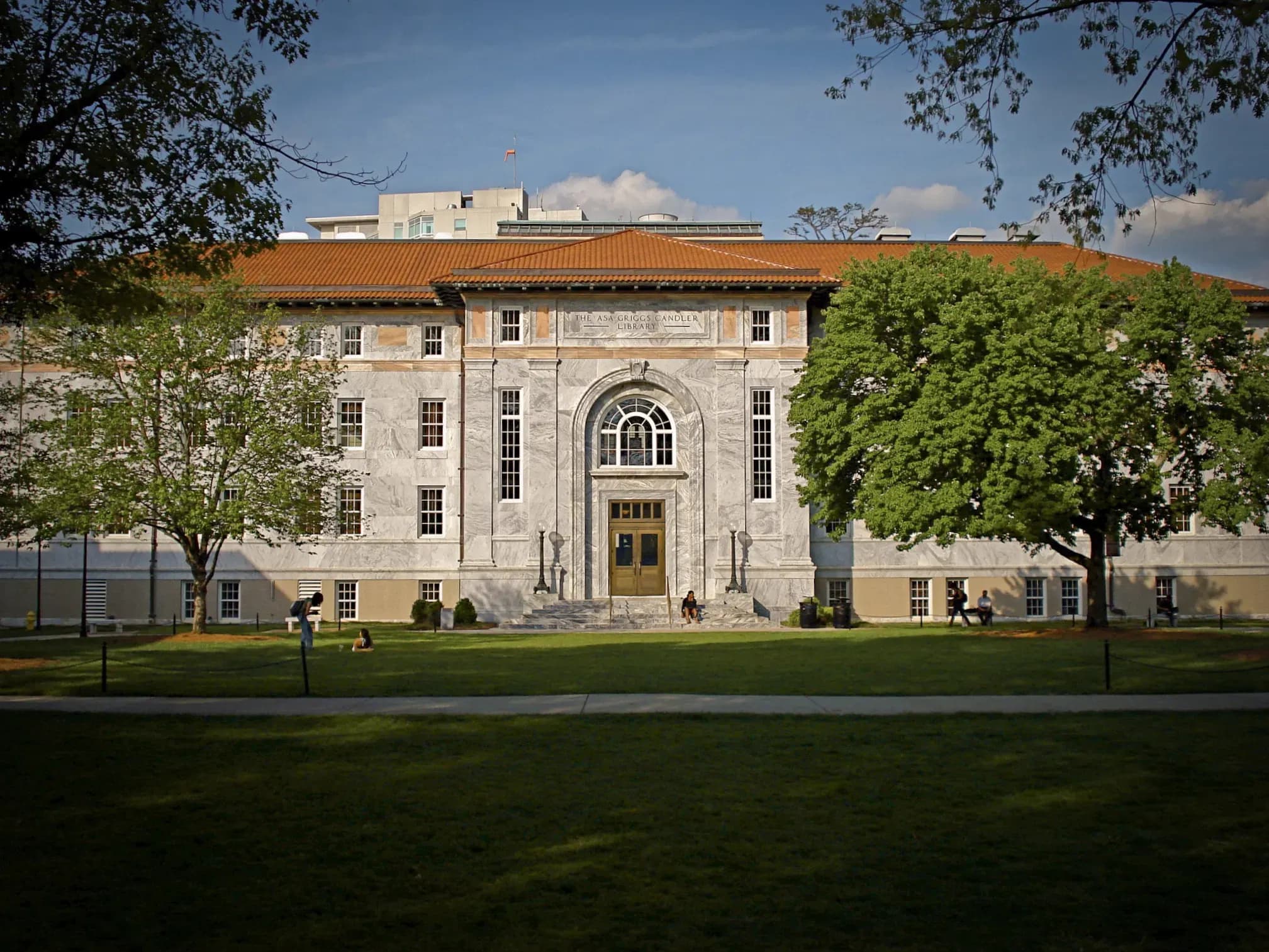
- Location: Emory University, United States
- Field of Study: Theology and Religious Studies
- Language of Instruction: English
Program Structure
Year 1 – Introduction to the Study of Religion
• Introduction to World Religions
• Sacred Texts and Traditions
• Religion and Human Experience
Year 2 – Foundations and Interpretation
• History of Christian Thought
• Comparative Religion
• Religion and Philosophy
Year 3 – Specialized Studies
• Religion, Ethics, and Politics
• Religion and Modernity
• Elective: Gender and Religion / Religion in America
Year 4 – Research and Integration
• Senior Seminar in Religious Studies
• Independent Research Project
• Religion and Contemporary Issues
• Optional Internship / Community Engagement
Career Opportunities
Graduates with a degree in Religion possess strong critical thinking, writing, and analytical skills, making them well-equipped for careers in education, counseling, public service, non-profit work, journalism, international relations, and human rights advocacy. Their ability to understand and interpret complex belief systems enables them to work effectively in multicultural environments and diverse communities. Many pursue advanced degrees in theology, divinity, philosophy, social work, or law. Others find opportunities in interfaith dialogue, policy analysis, cultural institutions, or humanitarian organizations where ethical sensitivity and global awareness are valued. The degree also prepares students for roles in religious leadership or further academic research.
Why Choose This Program
This program is ideal for students who are intellectually curious about the role of religion in shaping civilizations, ethical systems, and individual lives. It attracts those who want to explore profound questions about meaning, existence, and morality through critical academic study. With a faculty that values open inquiry and interdisciplinary exploration, the program supports personal and scholarly growth. Students benefit from small seminar-style classes, personalized mentorship, and opportunities to engage with real-world issues through a religious lens. The degree encourages not only knowledge of traditions but also empathy, dialogue, and global thinking—qualities essential for leadership in today’s complex and pluralistic world.
Contact Information
For further information, please contact the admissions office at:
Phone: +1 404 727 6123
Email: contentedit@emory.edu
Address: University of Emory, 201 Dowman Drive, Atlanta, GA 30322, United States
