Religion, Conflict and Globalization
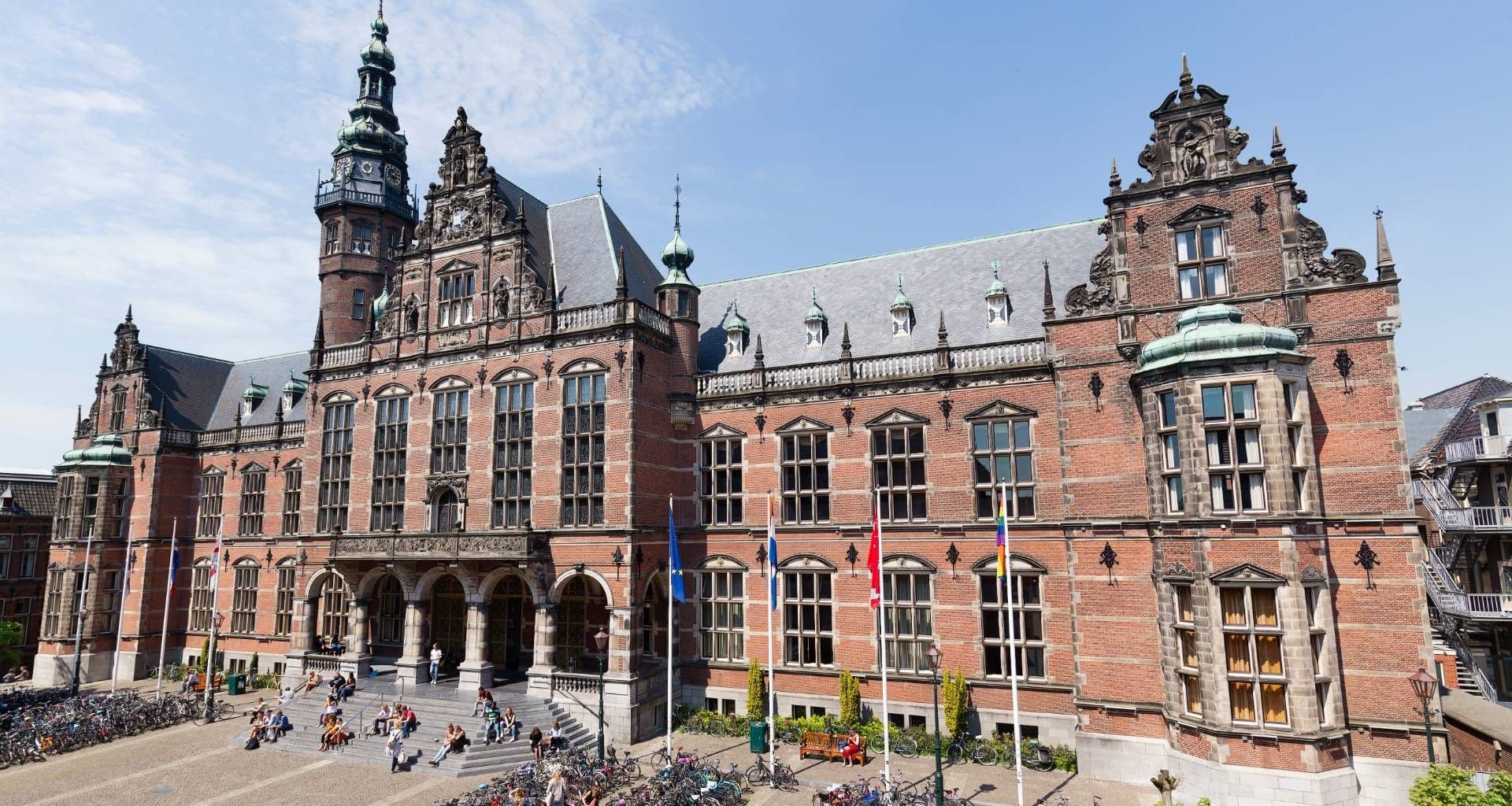
University of Groningen offers a Master of Arts in Religion, Conflict and Globalization, a one-year, full-time, on-campus program designed for students interested in exploring the complex relationships between religion, global conflicts, and the process of globalization. The program covers key topics such as religious influence on international relations, conflict resolution, and the global impact of religious movements, preparing students for careers that engage with these critical global issues.
Graduates of the Master of Arts in Religion, Conflict and Globalization will be well-prepared for careers in international diplomacy, conflict mediation, and global policy analysis. The University of Groningen offers access to expert faculty, international research networks, and a diverse academic environment, ensuring students develop the knowledge and skills necessary to address the global challenges of the 21st century.
Key Facts
Key Facts
- Program Title: Religion, Conflict and Globalization
- Degree Type: Master of Arts
- Duration: 1 year
- Mode of Study: Full-time, On Campus
- Application Deadline: 01 May 2026
- Location: University of Groningen, Netherlands
- Field of Study: International Law
- Language of Instruction: English
Program Structure
Semester 1 – Foundations in Religion, Conflict, and Globalization
- Introduction to Religious Conflicts and Globalization
- Theological Perspectives on Conflict Resolution
- Global Religious Movements and Political Impact
- Research Methods in Religion and Globalization
Semester 2 – Advanced Religion, Conflict, and Globalization
- Religion in International Relations and Peacebuilding
- Religious Extremism and Global Security
- Human Rights and Religious Freedoms
- Research Project in Religion, Conflict, and Globalization
Career Opportunities
Graduates of the Religion, Conflict and Globalization Master’s program can work in international conflict resolution, humanitarian organizations, and religious diplomacy. With expertise in the role of religion in global conflicts and peacebuilding, graduates are prepared for roles as conflict resolution specialists, policy advisors, or researchers. This program offers opportunities in international organizations, NGOs, and government agencies involved in global peace efforts.
Why Choose This Program
The Religion, Conflict and Globalization Master’s program examines the intersections of religion, conflict, and globalization, focusing on how religious beliefs influence global political dynamics. Students explore religious conflict, peacebuilding, and the role of religion in fostering global cooperation. The program’s interdisciplinary approach ensures that graduates are equipped to address complex challenges in global governance and conflict resolution. Graduates are ready to contribute to peacebuilding efforts and promote interfaith dialogue in international contexts.
Contact Information
For further information, please contact the admissions office at:
Phone: +31 50 363 9111
Email: study@rug.nl
Address: University of Groningen, Broerstraat 5, 9712 CP Groningen, Netherlands
