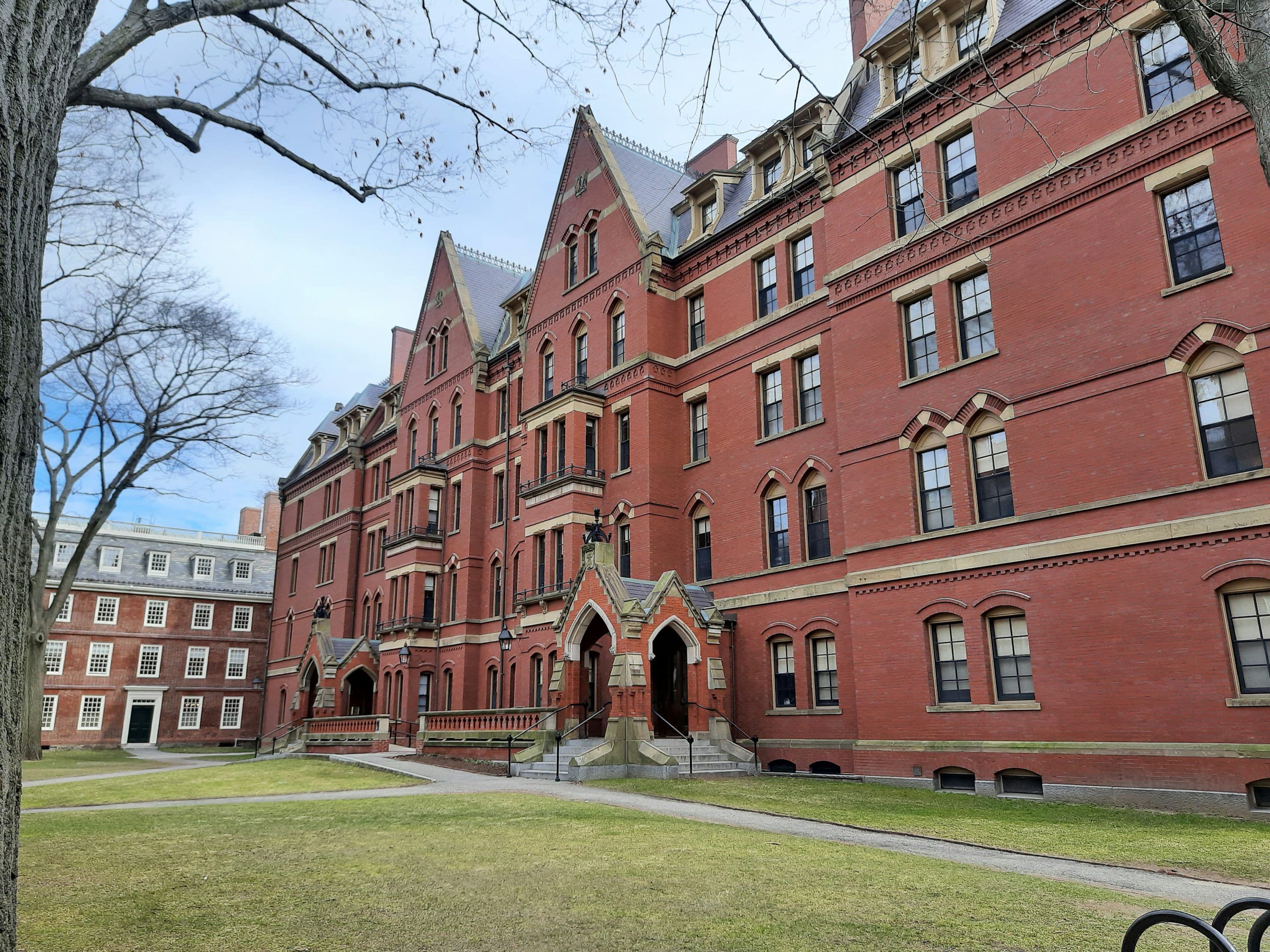

The Religion program provides advanced study in theology, religious history, and contemporary religious thought, preparing students to explore the intellectual, cultural, and social dimensions of religion. Students examine topics such as comparative theology, sacred texts, religious ethics, and modern religious movements, developing the ability to analyze religious phenomena critically and thoughtfully. The curriculum emphasizes research and analytical skills, allowing students to integrate theoretical perspectives with textual analysis, historical study, and applied research. Through lectures, seminars, and independent projects, participants gain experience in interpreting religious texts, conducting scholarly research, and engaging in critical discussions, preparing them for roles in academia, religious institutions, or policy advisory related to faith and ethics.
In addition to theological knowledge, the program fosters critical thinking, research proficiency, and ethical insight, equipping students to interpret complex religious questions, contextualize beliefs historically and culturally, and communicate their findings effectively. Applied research, field studies, and independent projects allow participants to explore diverse religious traditions, assess societal impacts, and contribute meaningfully to scholarly and professional discussions. Graduates leave the program prepared for careers as religious scholars, educators, advisors, or to pursue advanced studies in theology, religious studies, or related disciplines.
Key Facts
/h3
Key Facts
- Program Title: Religion
- Degree Type: S. Master
- Duration: 1 year
- Mode of Study: Full-time, On Campus
- Application Deadline: 01 December 2025
- Location: Harvard University, United States
- Field of Study: Theology and Religious Studies
- Language of Instruction: English
Program Structure
Semester 1 – Foundations in Theology and Religious Studies
- Introduction to Comparative Theology
- History of Religious Traditions
- Religious Ethics and Philosophy
- Research Methods in Religious Studies
Semester 2 – Applied Study & Capstone
- Seminar: Contemporary Religious Movements
- Interpretation of Sacred Texts
- Independent Project / Applied Research
- Professional Writing and Presentation in Religious Studies
Career Opportunities
Graduates of this program are prepared for careers in religious scholarship, education, interfaith consultancy, policy advisory, and cultural institutions, taking on roles such as religious researchers, educators, advisors, or program coordinators in faith-based organizations. The program equips students with analytical, research, and communication skills, enabling them to study and interpret religious phenomena, engage with communities, and contribute to interfaith and cultural initiatives. Additionally, graduates are well-prepared for further academic studies, including doctoral programs in theology, religious studies, or ethics, positioning them for specialist and leadership roles in universities, cultural institutions, think tanks, and faith-based organizations.
Why Choose This Program
This program provides a comprehensive and applied learning experience that integrates theology, religious studies, and applied research, preparing students to address complex questions about religion in society. Through lectures, seminars, applied research, and independent projects, students develop practical skills in textual interpretation, scholarly analysis, and critical discussion. The curriculum fosters research proficiency, ethical insight, and professional judgment, ensuring graduates are capable of contributing meaningfully to academic, cultural, and religious contexts. By combining theoretical knowledge with hands-on research experience, the program equips students with the expertise, confidence, and professional readiness needed to excel in careers in theology and religious studies.
Contact Information
For further information, please contact the admissions office at:
Phone: +1 617 495 1000
Email: admissions@harvard.edu
Address: University of Harvard, Cambridge, MA 02138, United States
