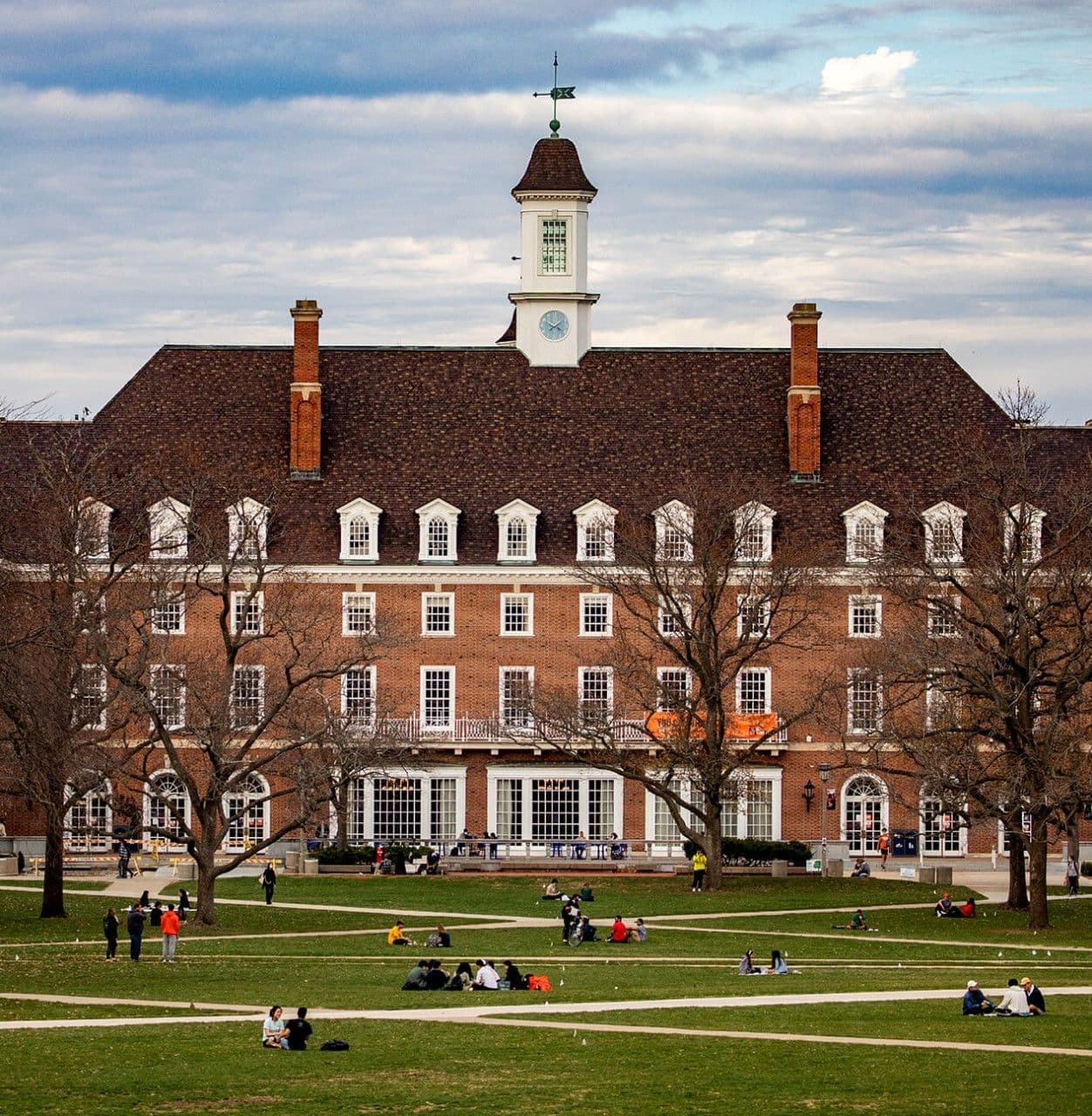

Russian, East European, and Eurasian Center
The Master of Arts in Russian, East European, and Eurasian Studies is a one year full time program designed for students who want to develop in depth knowledge of the politics, culture, history, and languages of Russia, Eastern Europe, and Eurasia. The curriculum combines theoretical analysis with practical application, enabling learners to understand regional dynamics, evaluate political and economic developments, and engage with cultural studies. Students gain expertise in regional politics, historical analysis, cultural studies, and language proficiency, equipping them to conduct research, inform policy, and contribute to international understanding. The program structure emphasizes academic rigor, interdisciplinary study, and practical engagement, preparing graduates for careers in research, diplomacy, and regional expertise.
The program encourages interdisciplinary approaches by integrating history, political science, economics, and cultural studies. Students participate in language training, research projects, fieldwork, and seminars guided by experienced faculty. Access to specialized libraries, archival resources, and professional networks enhances both theoretical knowledge and applied skills. By the end of the program, graduates develop competencies in language fluency, regional research, critical analysis, and cross cultural understanding, positioning them for careers in international relations, policy analysis, education, and cultural organizations.
Key Facts
Key Facts
- Program Title: Russian, East European, and Eurasian Center
- Degree Type: Master of Arts
- Duration: 1 year
- Mode of Study: Full-time, On Campus
- Application Deadline: 01 December 2025
- Location: University of Illinois Urbana-Champaign, United States
- Field of Study: Slavic studies
- Language of Instruction: English
Program Structure
Semester 1 - Foundations in Slavic Studies
• Introduction to Russian, East European, and Eurasian Politics
• Regional History and Cultural Studies
• Research Methods in Area Studies
• Language Study (Russian, Polish, or other regional languages)
Semester 2 - Advanced Analysis and Regional Applications
• Contemporary Political and Economic Issues in Eurasia
• International Relations of Russia and Eastern Europe
• Cultural and Historical Case Studies
• Independent Research Project or Professional Portfolio
Career Opportunities
Graduates of this program are prepared for professional roles in government agencies, research institutes, educational institutions, and international organizations. Many work in diplomatic services, policy research centers, cultural institutions, and nonprofit organizations, analyzing regional developments, informing policy, and fostering cross cultural understanding. Additional opportunities exist in academia, international consulting, translation, and intelligence analysis. The program’s emphasis on regional expertise, research skills, and language proficiency equips graduates to address complex geopolitical issues and contribute to international collaboration.
Why Choose This Program
Students choose this program because it combines regional expertise, language proficiency, cultural analysis, and research competence, providing a comprehensive foundation for careers in international relations, policy, and academia. The curriculum emphasizes applied research, critical thinking, and cross cultural engagement while offering exposure to contemporary geopolitical challenges. With guidance from experienced faculty, access to extensive regional resources, and opportunities for fieldwork and collaborative projects, students strengthen both analytical skills and professional competence. This program is particularly appealing to individuals who aim to conduct research on Russia and Eurasia, inform international policy, analyze political and cultural trends, and contribute to cross cultural understanding. It prepares graduates to navigate complex regional dynamics and implement informed, strategic solutions in diplomatic, academic, and professional contexts.
Contact Information
For further information, please contact the graduate admissions office at:
Phone: 217-333-0035
Email: grad@illinois.edu
Address: The Graduate College, 507 East Green Street, Suite 101, MC-434, Champaign, IL 61820, United States
