.png&w=640&q=75)
Russian, East European and Eurasian Studies
The Russian, East European, and Eurasian Studies MSc at the University of Glasgow offers students an in-depth examination of the history, politics, and cultures of Russia, Eastern Europe, and Eurasia. This one-year program covers topics such as the political transformations in post-Soviet states, the role of nationalism, and the cultural heritage of the region. Students will gain insights into the complex dynamics shaping the region today.
This program combines language studies, cultural analysis, and historical research, providing students with the skills needed for careers in international relations, foreign affairs, and cultural diplomacy. Graduates will be equipped to work in governmental organizations, NGOs, and multinational corporations, navigating the challenges of the diverse and geopolitically significant regions of Eastern Europe and Eurasia.
Key Facts
Key Facts
- Program Title: Russian, East European and Eurasian Studies
- Degree Type: Master of Science
- Duration: 1 year
- Mode of Study: Full-time, On Campus
- Application Deadline: 07 July 2026
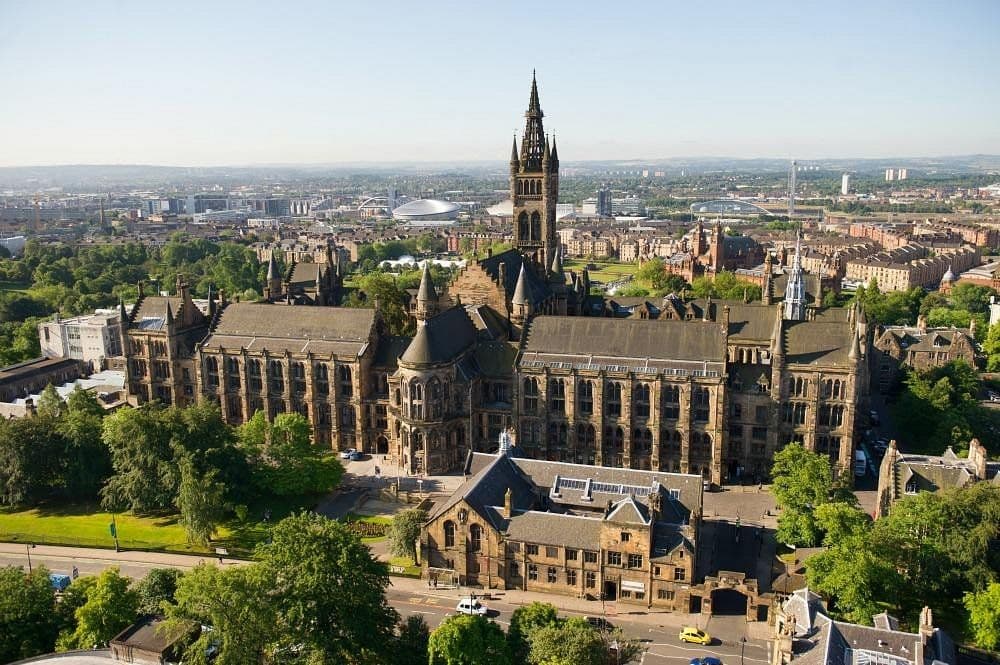
- Location: University of Glasgow, United Kingdom
- Field of Study: Language Studies
- Language of Instruction: English
Program Structure
Semester 1 – Foundations in Russian, East European and Eurasian Studies
- Introduction to the History of Eastern Europe and Eurasia
- Russian Language and Literature: An Introduction
- Political and Social Systems in Eastern Europe
- Culture and Identity in Russia and Eastern Europe
- Research Methods in East European and Eurasian Studies
- Geopolitics of Eurasia and Global Relations
Semester 2 – Advanced Russian, East European and Eurasian Studies
- The Politics of Transition: Post-Soviet States
- Comparative Politics in Eastern Europe
- Economic Development in Russia and Central Asia
- Literature and Art of the Russian and Eastern European Worlds
- Ethnic and National Identity in Eastern Europe and Eurasia
- Elective Modules in Regional Studies and Political Systems
Career Opportunities
Graduates of the Russian, East European and Eurasian Studies program are well-prepared for careers in international relations, diplomacy, cultural exchange, and policy development. Career opportunities include roles such as Policy Advisor, Foreign Affairs Analyst, Cultural Attaché, International Relations Specialist, and Researcher in Eastern European Affairs. Graduates can work in government agencies, NGOs, international organizations, think tanks, and academic institutions, contributing to the development of policy and cultural understanding in Eastern Europe and Eurasia.
Why Choose This Program
The Russian, East European and Eurasian Studies program at the University of Glasgow offers a comprehensive interdisciplinary study of the history, culture, and politics of Eastern Europe and Eurasia, with a focus on Russia and its neighbors. Students will gain both theoretical knowledge and practical skills in language, history, and regional politics, preparing them to work in international settings. The program provides access to cutting-edge research, expert faculty, and global networks that allow students to explore the complexities of post-Soviet transitions, regional diplomacy, and economic development. With a strong emphasis on research skills and regional expertise, graduates are well-equipped to pursue careers in policy-making, international relations, and cultural diplomacy.
Contact Information
For further information, please contact the admissions office at:
Phone: +44 (0)141 330 2000
Email: admissions@glasgow.ac.uk
Address: University of Glasgow, University Avenue, Glasgow G12 8QQ, United Kingdom
