.png&w=640&q=75)
Russian, East European, and Eurasian Studies
The Russian, East European, and Eurasian Studies program offers an interdisciplinary study of the historical, political, and cultural development of Russia, Eastern Europe, and Eurasia. Over two years, students examine major historical events, social transformations, and political changes, gaining the ability to analyze contemporary issues within their historical context. The curriculum emphasizes research, critical thinking, and comparative analysis, allowing learners to conduct in-depth studies and understand the complexities of the region. Through seminars, workshops, and archival research, students acquire skills in historiography, source analysis, and applied research, preparing them to address regional and global historical questions.
Students also engage in field research, language training, and project-based assignments to develop practical understanding and professional skills. Mentorship from experienced faculty enhances research and analytical capabilities while providing guidance for academic and career development. By the end of the program, graduates leave with strong research experience, analytical skills, and a portfolio of scholarly work, ready to contribute effectively to academia, public policy, or international organizations with a regional focus.
Key Facts
Key Facts
- Program Title: Russian, East European, and Eurasian Studies
- Degree Type: Master of Arts
- Duration: 2 years
- Mode of Study: Full-time, On Campus
- Application Deadline: 06 January 2026
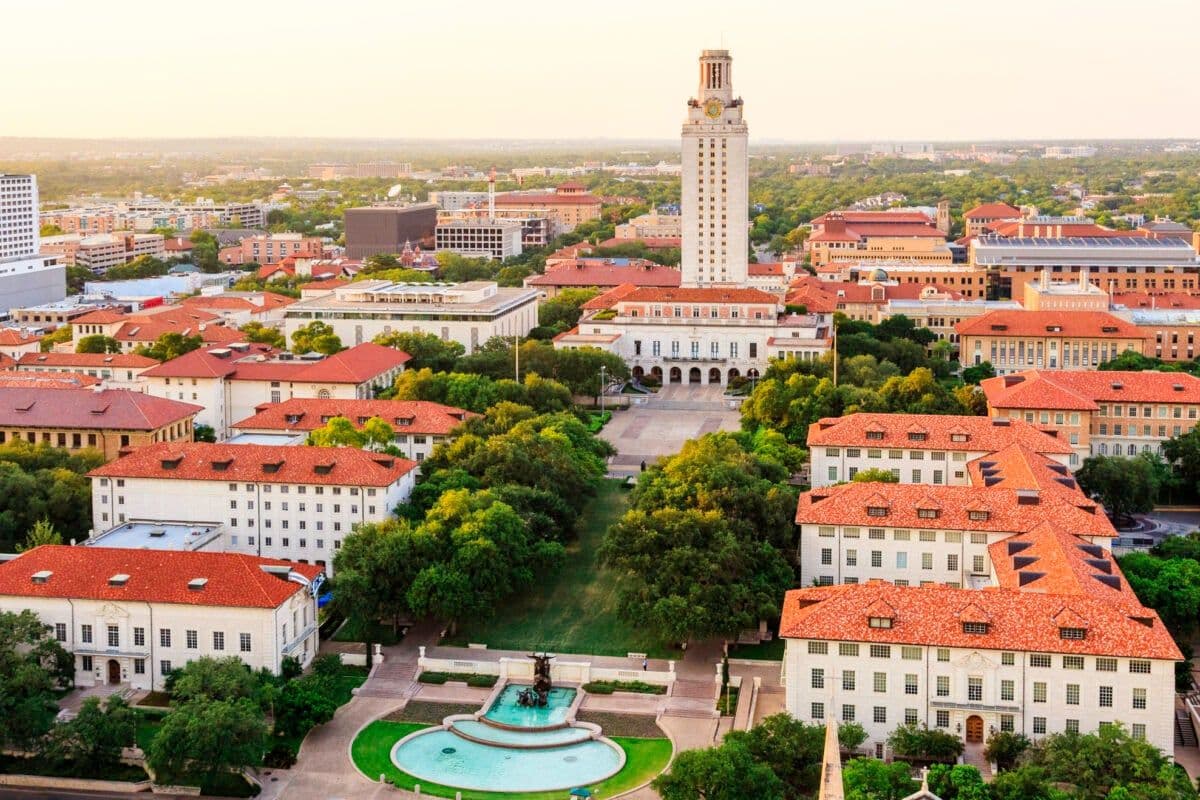
- Location: University of Texas at Austin, United States
- Field of Study: History
- Language of Instruction: English
Program Structure
Semester 1 – Foundations in Regional History
- Introduction to Russian and Eastern European History
- Historical Methods and Research
- Politics and Society in Eurasia
- Seminar: Cultural and Social Developments
Semester 2 – Intermediate Historical Analysis
- Economic and Political Transformations
- Religion, Society, and Governance
- Language Training (Russian, Polish, or another regional language)
- Workshop: Archival and Primary Source Research
Semester 3 – Specialization & Applied Research
- Contemporary Issues in Russia and Eastern Europe
- International Relations and Regional Dynamics
- Research Project / Fieldwork
- Electives in History, Politics, or Culture
Semester 4 – Capstone & Thesis
- Independent Research / Thesis
- Data Analysis and Historical Interpretation
- Presentation and Academic Portfolio Development
- Seminar: Current Regional Challenges
Career Opportunities
Graduates are prepared for careers as historians, policy analysts, cultural advisors, and researchers. They may work in academia, governmental institutions, think tanks, or international organizations focusing on Russia, Eastern Europe, and Eurasia. The program equips students with skills in research, analysis, and critical evaluation of historical and political developments, enabling them to contribute to scholarship, policy-making, or cultural initiatives. Alumni often participate in archival research, policy advising, or educational programs. With strong analytical and research skills, graduates gain a competitive advantage in roles requiring deep regional expertise and historical understanding.
Why Choose This Program
This program is ideal for students seeking advanced knowledge of history and regional studies with practical research experience. The two-year structure allows learners to build foundational skills, engage in fieldwork, language acquisition, and independent research projects. By participating in seminars, workshops, and applied research, students develop analytical thinking, critical evaluation, and professional competencies. The curriculum emphasizes interdisciplinary perspectives, historical analysis, and applied research, preparing graduates to make meaningful contributions to scholarship, policy, and international engagement in the region.
Contact Information
For further information, please contact the admissions office at:
Phone: +1 (512) 471-3434
Email: gradadmissions@utexas.edu
Address: 110 Inner Campus Drive, Stop G1800, Austin, TX 78712, USA
