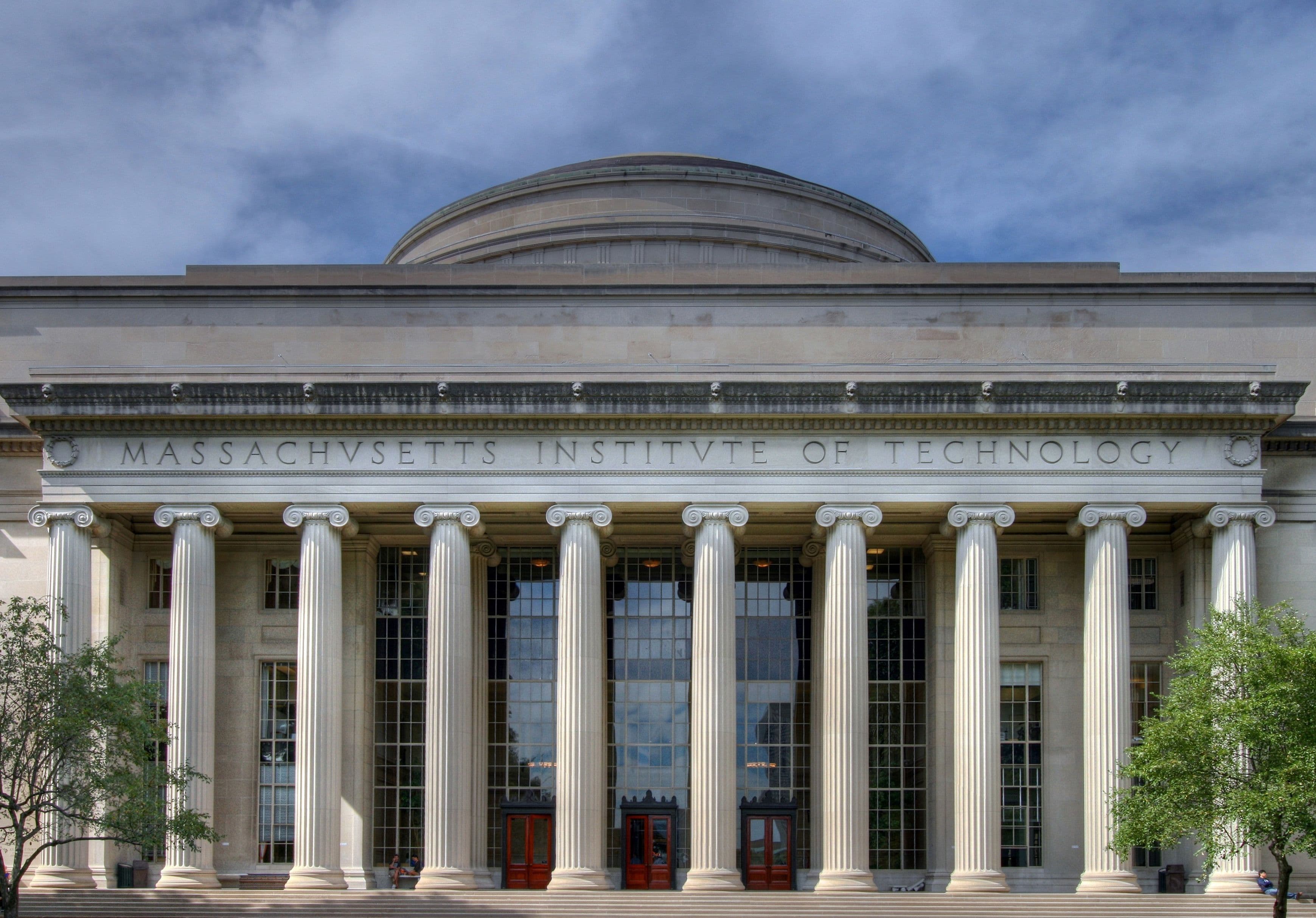

Science Writing
The Master of Science in Science Writing at Massachusetts Institute of Technology (MIT) is a one-year, full-time program designed for individuals who are passionate about bridging the gap between complex scientific concepts and a broader audience. The program focuses on the art and craft of writing, specifically in the fields of science, technology, and medicine, equipping students with the skills to communicate complex ideas in an accessible, engaging, and accurate manner. Students will explore how to write compelling stories about scientific research, advancements, and their impact on society, while developing their ability to convey technical information to both specialized and general audiences.
MIT’s Science Writing program is unique in its integration of rigorous scientific education with advanced writing techniques. Students will engage in both practical writing projects and in-depth research, collaborating with faculty and professionals in both the scientific and literary fields. Graduates are equipped to work as science journalists, technical writers, medical communicators, and science communicators in various media outlets, research institutions, and public organizations, helping to bring scientific knowledge to the public in meaningful and impactful ways.
Key Facts
Key Facts
- Program Title: Science Writing
- Degree Type: Master of Science
- Duration: 1 year
- Mode of Study: Full-time, On Campus
- Application Deadline: 15 January 2026
- Location: Massachusetts Institute of Technology (MIT), United States
- Field of Study: Creative Writing
- Language of Instruction: English
Program Structure
Semester 1 – Foundations of Science Writing
· Introduction to Science Writing
· Writing for General and Specialized Audiences
· Scientific Research and Reporting Techniques
· Ethics in Science Writing
· Communication of Complex Ideas in Simple Terms
Semester 2 – Advanced Science Writing Topics
· Writing for Digital Media and Social Platforms
· Science Journalism and Investigative Writing
· Writing for Broadcast and Multimedia
· Medical and Health Science Communication
· Research Project in Science Writing
Semester 3 – Specialization and Applied Research
· Environmental Science Writing
· Writing about Technology and Innovation
· Narrative Science Writing and Storytelling
· Interviewing Experts and Fact-Checking
· Science Writing Internship or Fieldwork
Semester 4 – Capstone Project and Thesis
· Independent Research / Thesis in Science Writing
· Writing for Science Magazines and Newspapers
· Final Writing Portfolio Development
· Public Engagement and Science Communication
· Final Review and Presentation
Career Opportunities
Graduates of the Science Writing Master’s program at MIT are well-prepared for careers in science journalism, medical writing, technical communication, and public relations. With expertise in both scientific content and writing techniques, graduates can work as science journalists, technical writers, content creators, research communicators, and public information officers in a variety of sectors, including news media, publishing, government agencies, and nonprofit organizations. The demand for effective science communicators continues to grow, providing graduates with a wide range of career paths where they can make significant contributions to public understanding of science and technology.
Why Choose This Program
MIT’s Science Writing program stands out for its combination of rigorous science education with advanced writing skills, preparing graduates to become leaders in the field of science communication. The program offers access to world-class faculty, cutting-edge research, and real-world writing projects, ensuring that students are not only equipped with writing proficiency but also a deep understanding of the subjects they are writing about. The program’s emphasis on storytelling, fact-based reporting, and digital media writing ensures that graduates are well-prepared to navigate the rapidly evolving field of science communication and address the growing need for accurate, accessible science writing.
Contact Information
For further information, please contact the admissions office at:
Phone: +1 617-253-1000
Email: admissions@mit.edu
Address: University of MIT, 77 Massachusetts Avenue, Cambridge, MA 02139, USA
