
Sociology
The Master of Arts in Sociology is a one year full time program designed for students who want to deepen their understanding of social structures, cultural dynamics, and human behavior. The curriculum combines theoretical frameworks with research applications, enabling learners to analyze social patterns, evaluate policies, and address societal challenges. Students gain expertise in social theory, research methods, quantitative and qualitative analysis, and cultural studies, equipping them to investigate complex social issues and propose evidence based solutions. The program structure provides a balance between rigorous academic study and applied research, preparing graduates for careers in research, policy, and social development.
The program emphasizes interdisciplinary learning by connecting sociology with political science, economics, public health, and education. Students participate in field research, collaborative projects, data analysis exercises, and case studies guided by experienced faculty. Access to research resources, statistical tools, and professional networks enhances both practical skills and theoretical understanding. By the end of the program, graduates develop competencies in data interpretation, policy evaluation, social research, and critical analysis, positioning them for roles in research organizations, governmental institutions, and community based programs.
Key Facts
Key Facts
- Program Title: Sociology
- Degree Type: Master of Arts
- Duration: 1 year
- Mode of Study: Full-time, On Campus
- Application Deadline: 01 December 2025
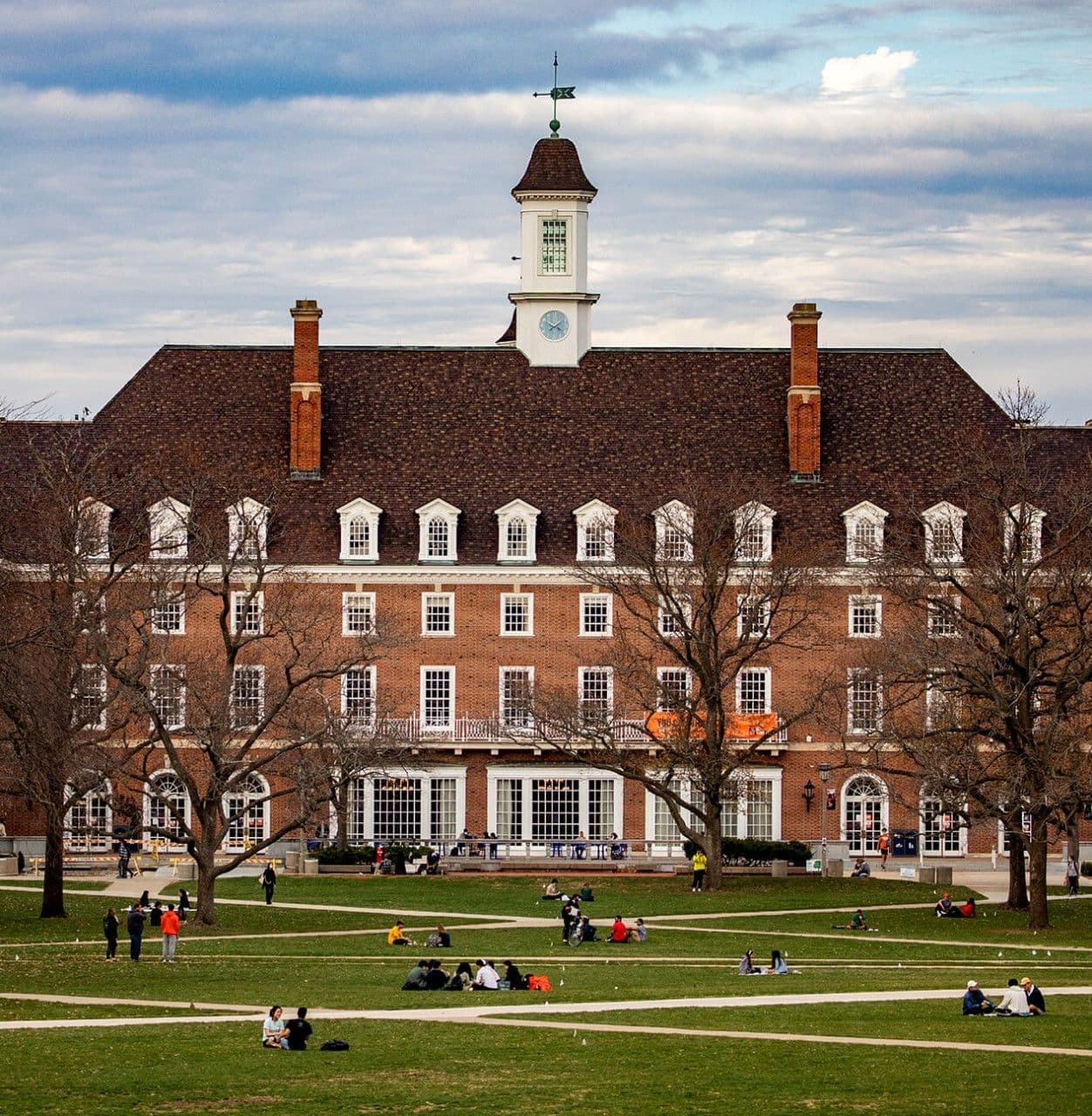
- Location: University of Illinois Urbana-Champaign, United States
- Field of Study: Sociology
- Language of Instruction: English
Program Structure
Semester 1 - Foundations in Sociology
• Sociological Theory and Perspectives
• Research Methods in Sociology
• Quantitative Analysis and Statistics
• Social Inequality and Cultural Studies
Semester 2 - Advanced Sociological Practices
• Policy Analysis and Social Change
• Qualitative Research Methods
• Global and Comparative Sociology
• Independent Research Project or Professional Portfolio
Career Opportunities
Graduates of this program are prepared for professional roles in research, policy analysis, social services, and community development. Many work in research institutes, government agencies, nonprofit organizations, and educational institutions, conducting research, evaluating programs, and developing policies. Additional opportunities exist in social consultancy, data analysis, community outreach, and program evaluation. The program’s emphasis on applied research, analytical skills, and interdisciplinary knowledge equips graduates to investigate social issues, influence policy, and implement programs that address societal challenges.
Why Choose This Program
Students choose this program because it integrates social research expertise, policy analysis skills, qualitative and quantitative methods, and critical sociological thinking, providing a strong foundation for careers in sociology and related fields. The curriculum emphasizes applied research, analytical problem solving, and practical experience while offering exposure to contemporary social issues. With guidance from experienced faculty, access to research tools, and opportunities for fieldwork and collaborative projects, students strengthen both professional competence and theoretical insight. This program is particularly appealing to individuals who aim to conduct social research, develop evidence based policies, analyze societal trends, and contribute to community development initiatives. It prepares graduates to navigate complex social challenges and implement solutions that create meaningful impact in diverse social contexts.
Contact Information
For further information, please contact the graduate admissions office at:
Phone: 217-333-0035
Email: grad@illinois.edu
Address: The Graduate College, 507 East Green Street, Suite 101, MC-434, Champaign, IL 61820, United States
