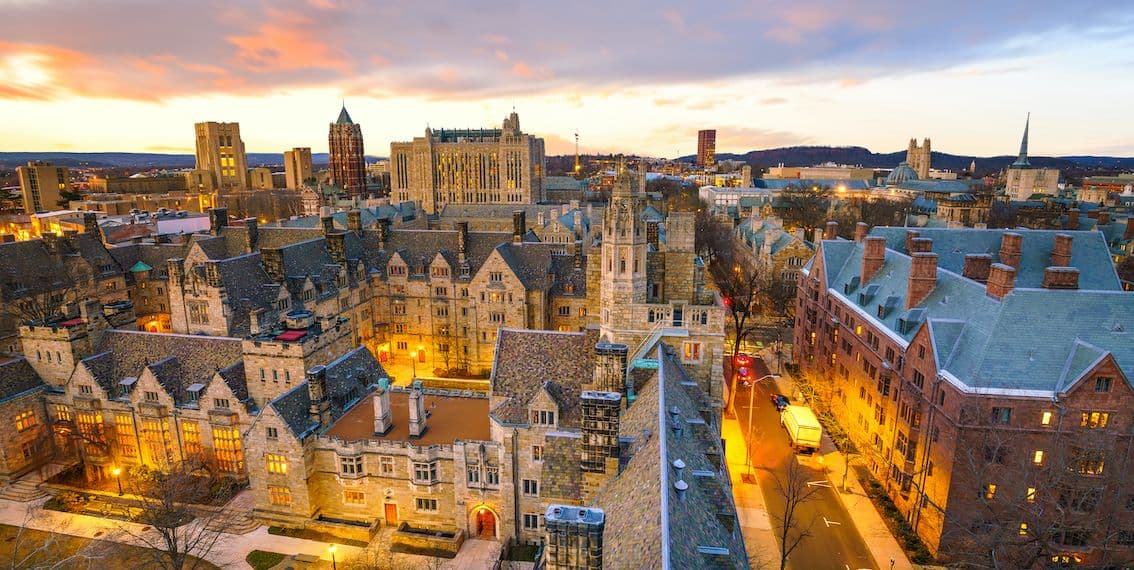

South Asian Studies
The Bachelor of Arts in South Asian Studies provides a comprehensive academic structure designed to help students understand the historical evolution, cultural diversity, and political transformations of South Asia. Through a combination of lectures, language training, and thematic analysis, learners explore the foundations of ancient civilizations, literary traditions, religious developments, and regional identities that have shaped the subcontinent. This interdisciplinary approach encourages students to develop strong interpretive abilities and a deep appreciation for complex societal patterns, supported by an emphasis on critical thinking, historical insight, regional awareness, and research discipline that strengthens their overall academic formation.
Throughout the four-year program, students engage with diverse sources that illustrate South Asia’s role in global economic networks, transnational migration, cultural production, and diplomatic relations. Coursework integrates political science, anthropology, sociology, and linguistic studies to ensure students gain a multifaceted understanding of the region’s importance in the modern world. By studying contemporary issues such as urban development, democratic governance, social inequality, and globalization, learners refine their ability to analyze change across time. This consistent engagement with layered academic perspectives builds methodological accuracy, analytical depth, contextual interpretation, and scholarly rigor, enabling graduates to approach regional studies with a confident and informed perspective.
Key Facts
Key Facts
- Program Title: South Asian Studies
- Degree Type: Bachelor of Arts
- Duration: 4 years
- Mode of Study: Full-time, On Campus
- Application Deadline: 02 January 2026
- Location: Yale University, United States
- Field of Study: Asian studies
- Language of Instruction: English
Program Structure
Year 1 – Foundations of South Asian Studies
· Introduction to South Asian Civilizations
· Languages of South Asia (Hindi, Urdu, Bengali, or Tamil)
· Social and Cultural History of the Region
· Foundations of Political and Economic Systems
Year 2 – Regional Institutions & Cultural Dynamics
· Modern South Asian Politics
· Religion and Society in South Asia
· Economic Development and Social Change
· Research Methods in Area Studies
Year 3 – Advanced Themes & Independent Inquiry
· Contemporary Challenges in South Asia
· Literature, Media, and Cultural Identity
· Globalization and Regional Integration
· Field Research / Independent Study
Year 4 – Thesis & Professional Preparation
· Senior Thesis / Capstone Project
· Advanced Seminar on Regional Analysis
· Research Design and Data Interpretation
· Academic Portfolio & Presentation Development
Career Opportunities
Graduates of this program can pursue a wide spectrum of professional paths that value deep regional knowledge, strong analytical capabilities, and cross-cultural communication skills. Individuals commonly work within international organizations, research institutes, government agencies, and cultural foundations, where expertise in South Asian societies is essential for policy development, project coordination, or diplomatic engagement. Additional opportunities arise in journalism, development consulting, education, migration studies, and non-governmental sectors, where graduates contribute to global initiatives involving cultural exchange, socioeconomic analysis, and humanitarian programs. The program’s interdisciplinary foundation prepares students to interpret complex regional dynamics, manage evidence-based research, interact with multicultural communities, and produce informed evaluations of social and political challenges. This broad skill set enables graduates to adapt to evolving global environments and hold meaningful roles in institutions that require nuanced understanding of international affairs.
Why Choose This Program
Choosing this program allows students to immerse themselves in a curriculum that emphasizes comprehensive regional training while offering the flexibility to explore multiple disciplines connected to South Asia’s diverse societies. Over four years, learners develop strong research skills, academic curiosity, and a nuanced understanding of the historical and contemporary forces shaping the region. The program’s balanced combination of language study, cultural exploration, and political analysis equips students with globally relevant expertise, enabling them to think critically about international issues and engage with multicultural contexts. With consistent academic support, exposure to original sources, and opportunities for independent inquiry, students gain the intellectual confidence needed to pursue advanced study or professional roles that require deep cultural insight and analytical precision. Ultimately, the program provides a structured pathway for individuals who wish to build a solid interdisciplinary foundation that strengthens both academic and career aspirations.
Contact Information
For further information, please contact the admissions office at:
Phone: +1 203 432 2300
Email: admissions@yale.edu
Address: University of Yale, New Haven, CT 06520, United States
