Master of Arts · Full-time · On Campus

University of Michigan
Ann Arbor, United States
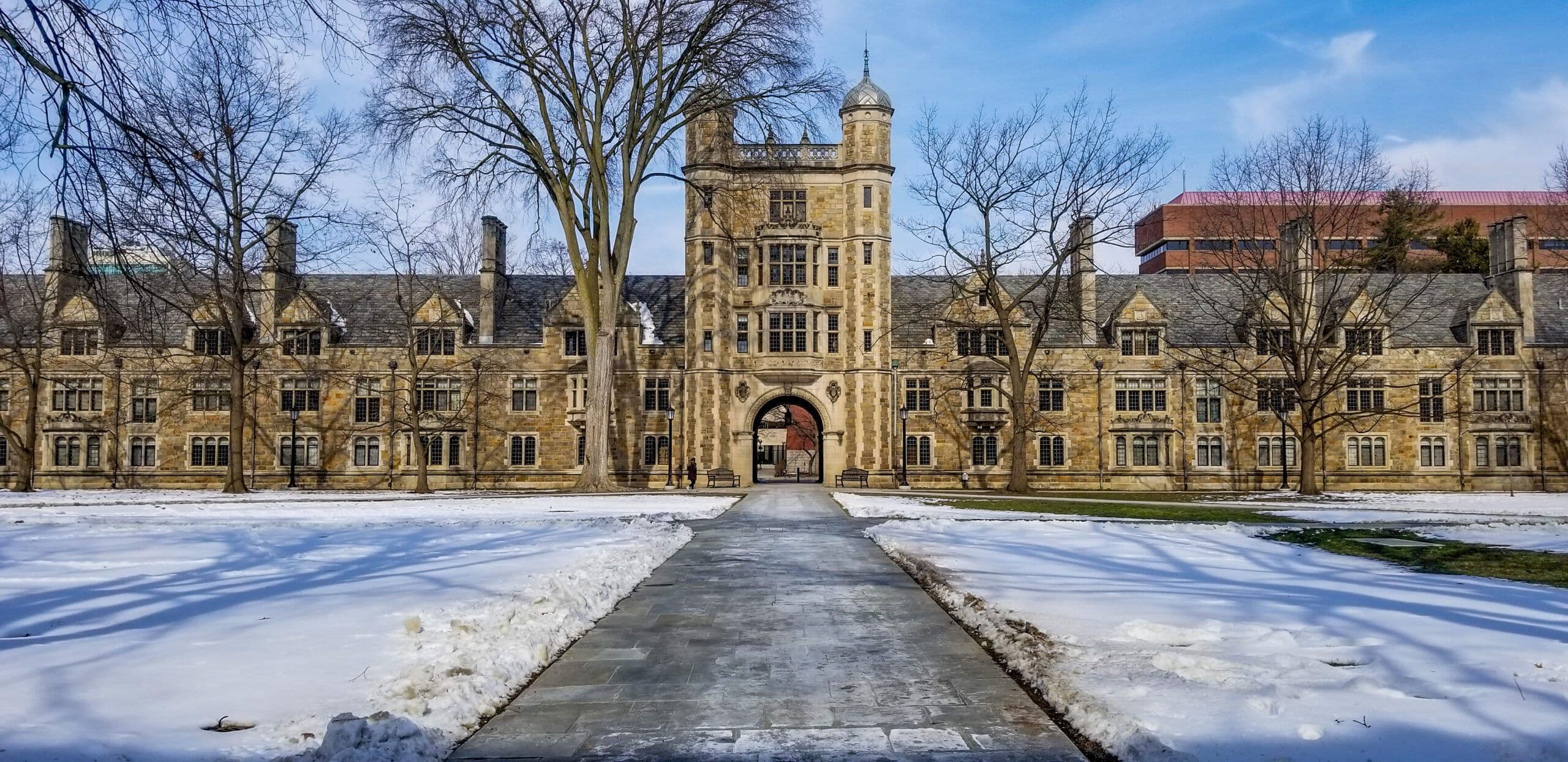
The Master of Engineering in Space Engineering at University of Michigan is an intensive one-year, full-time, on-campus graduate program tailored for individuals aiming to specialize in the design, integration, and operation of space systems. This program is ideal for engineering graduates and professionals who aspire to contribute to the next generation of satellite technology, spacecraft systems, and interplanetary missions. Built on a multidisciplinary foundation, it blends aerospace engineering principles with systems thinking, preparing students to engage with the complex technical challenges of space exploration and commercial space operations.
The curriculum is designed to offer deep technical knowledge along with practical, hands-on experience through labs, simulations, and design projects. Students explore key areas such as orbital mechanics, propulsion, spacecraft structures, and mission planning, all while developing the analytical and project management skills necessary to function within large, collaborative engineering teams. With access to world-class research centers and guidance from faculty engaged in cutting-edge aerospace innovation, students are immersed in an environment that reflects the fast-evolving demands of the space sector. The program not only builds technical expertise but also instills the agility to adapt and lead in a global industry shaped by rapid technological progress and expanding ambitions in space.
Semester 1 – Foundations in Space System Design
Semester 2 – Advanced Applications and Project Execution
Graduates of the Space Engineering program are well-positioned to pursue a variety of roles across the aerospace industry, space agencies, and research-driven organizations. Many take on technical positions in satellite design and operations, space mission planning, launch vehicle engineering, and propulsion system development. Others join commercial aerospace companies, government space programs, or defense and security sectors focused on orbital surveillance, telecommunications, or deep-space exploration. The program’s strong foundation in systems engineering also enables career growth in space systems integration, program management, and aerospace consulting. As the global space industry continues to expand with innovations in reusable rockets, lunar missions, and space-based infrastructure, graduates equipped with both specialized knowledge and applied project experience are increasingly in demand for roles that shape the future of space exploration and technology.
University of Michigan’s Space Engineering program delivers a uniquely immersive education grounded in technical precision, applied design, and interdisciplinary collaboration. The curriculum reflects real-world challenges and equips students to engage with every stage of space system development—from mission concept to launch-readiness. Students benefit from access to advanced simulation facilities, research labs, and collaborative opportunities with faculty involved in aerospace partnerships and space technology initiatives. The program fosters not only technical mastery but also leadership, critical thinking, and adaptability—key traits for engineers in a field defined by complexity and innovation. Whether you aim to contribute to commercial satellite networks, planetary science missions, or next-generation launch systems, this program prepares you to excel in a domain where scientific vision meets engineering excellence.
For further information, please contact the admissions office at:
Phone: 734-764-8129
Email: rackadmis@umich.edu
Address: Graduate Admissions Office, University of Michigan, Ann Arbor, MI 48109, USA
Master of Arts · Full-time · On Campus
University of Michigan
Ann Arbor, United States
Bachelor of Science · Full-time · On Campus
University of Michigan
Ann Arbor, United States
Bachelor of Science · Full-time · On Campus
University of Michigan
Ann Arbor, United States
Bachelor of Science · Full-time · On Campus
University of Michigan
Ann Arbor, United States
