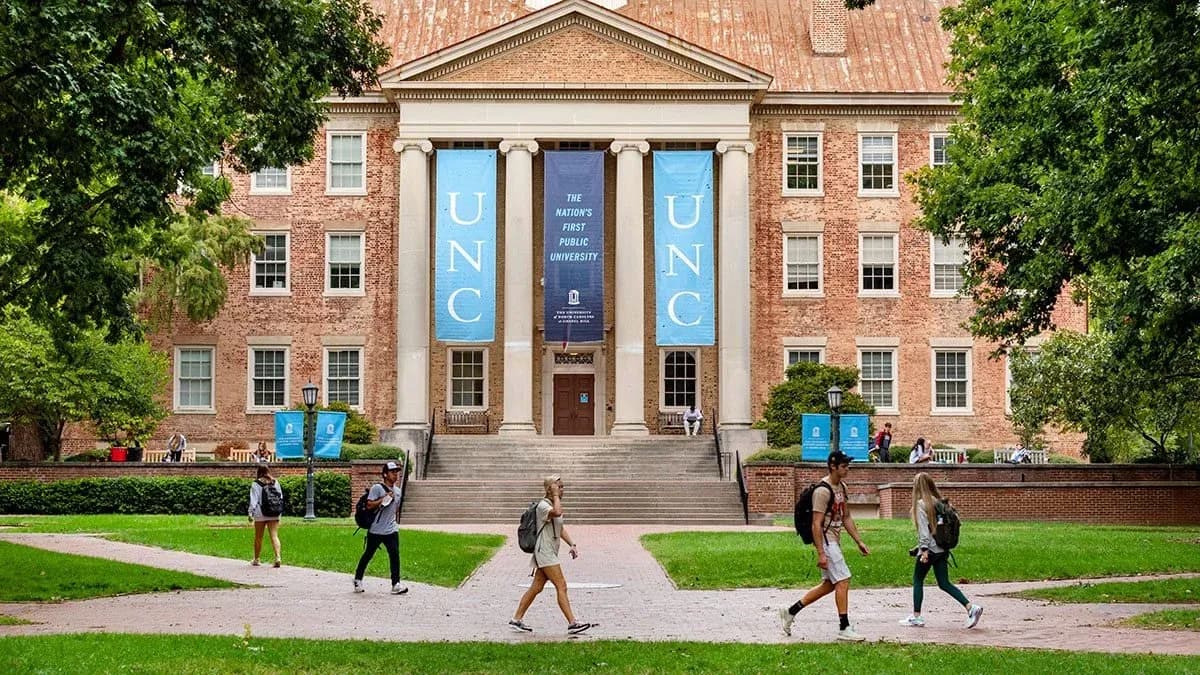

Special Education - General Curriculum and Elementary Education K-6 Dual Program
The Special Education - General Curriculum and Elementary Education K-6 Dual Program offers a comprehensive path for students who aim to make a difference in the lives of young learners. This dual licensure program prepares future educators to teach both general elementary students and those with special needs, fostering inclusive classroom environments. Over the course of four years, students gain a solid foundation in developmental psychology, teaching strategies, curriculum planning, and classroom management, with a strong focus on individualized education plans (IEPs) and differentiated instruction.
This degree equips candidates with the tools to assess, plan, and implement learning strategies that meet a broad range of student abilities. Through clinical experiences, field placements, and student teaching opportunities, participants gain hands-on experience in diverse educational settings. Graduates leave with dual licensure eligibility, ready to meet the educational and emotional needs of all learners, from kindergarten through sixth grade, in both special and general education settings.
Key Facts
Key Facts
- Program Title: Special Education - General Curriculum and Elementary Education K-6 Dual Program
- Degree Type: Bachelor of Arts
- Duration: 4 years
- Mode of Study: Full-time, On Campus
- Application Deadline: 01 February 2026
- Location: University of North Carolina at Chapel Hill, United States
- Field of Study: Special Education
- Language of Instruction: English
Program Structure
Year 1 – Foundations in Teaching & Child Development
• Introduction to Education and Learning Theories
• Child Growth and Development
• Foundations of Special Education
• Educational Psychology
Year 2 – Curriculum and Instructional Design
• Instructional Strategies for Elementary Learners
• Literacy Development and Assessment
• Mathematics for Elementary Educators
• Teaching Students with Mild/Moderate Disabilities
Year 3 – Inclusive Pedagogy and Classroom Practice
• Differentiated Instruction and UDL
• Language Arts and Social Studies Methods
• Collaboration with Families and Professionals
• Assessment in Special and General Education
Year 4 – Clinical Practice and Professional Development
• Classroom Management for Inclusive Classrooms
• Student Teaching in Elementary Education
• Student Teaching in Special Education
• Capstone Seminar in Education
Career Opportunities
Graduates of this dual licensure program are prepared to work in a wide range of educational environments where inclusive practices are essential. They can pursue roles as elementary classroom teachers, special education teachers, or inclusion specialists within public or private schools, educational support centers, or early intervention programs. The dual licensure significantly enhances employability, as schools increasingly seek educators who can adapt instruction to meet the needs of diverse learners. In addition to classroom teaching, graduates may later advance into roles such as instructional coordinators, IEP specialists, or behavior intervention consultants, especially with further certification or graduate study.
Why Choose This Program
This program offers a unique combination of general and special education training, allowing students to make a meaningful impact on a broader range of learners. The curriculum is grounded in current research and aligned with best practices in inclusive education, ensuring that graduates are prepared for the realities of today’s classrooms. What makes this program stand out is its commitment to field-based learning, strong faculty mentorship, and its emphasis on collaborative teaching models. Students not only gain theoretical knowledge, but also develop practical skills, empathy, and confidence needed to support children with varying learning needs. For those passionate about equity in education, this program provides the tools and experiences to become effective, compassionate, and adaptable educators from day one.
Contact Information
Phone: +1 (919) 966-3621
Email: unchelp@admissions.unc.edu
Address: Jackson Hall, 174 Country Club Road, Chapel Hill, NC 27514, USA
