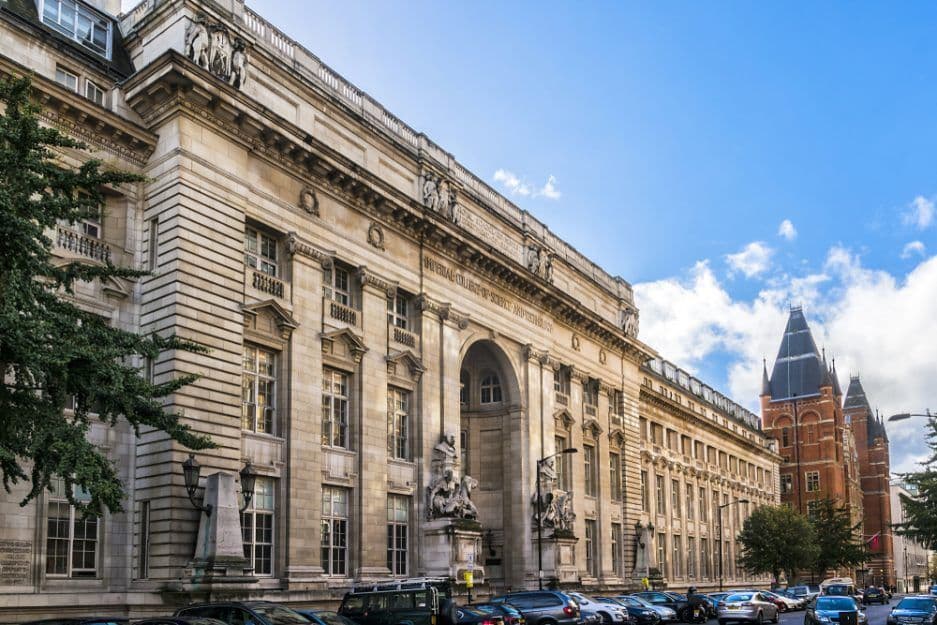

Structural Biology
The Master of Research in Structural Biology at Imperial College London is a one-year, full-time program that focuses on the molecular architecture of biological macromolecules. Students will explore the techniques used to determine the structure of proteins, nucleic acids, and other biomolecules, including X-ray crystallography, NMR spectroscopy, and cryo-electron microscopy. The program emphasizes the relationship between the structure of biomolecules and their function in biological systems.
Graduates of this program will be well-prepared for careers in structural biology, biochemistry, and pharmaceutical research, where they can apply their expertise to understand disease mechanisms, drug design, and therapeutic interventions. The program’s focus on experimental and computational methods ensures that students are equipped to tackle complex biological problems using advanced technologies in molecular biology and biophysics.
Key Facts
Key Facts
Program Title: Master of Research in Structural Biology
Degree Type: Master of Research (MRes)
Duration: 1 year
Mode of Study: Full-time, On Campus
Application Deadline: 30th June 2026
Location: Imperial College London, United Kingdom
Field of Study: Biology
Language of Instruction: English
Program Structure
Semester 1 – Core Structural Biology
- Principles of Protein Structure
- Macromolecular Interactions
- Techniques in Structural Analysis
- Research Methods in Molecular Biology
Semester 2 – Advanced Applications and Research Project
- Advanced Protein Engineering
- Structural Bioinformatics
- Independent Research Project
- Elective Modules in Molecular Modelling, Biophysics, or Drug Design
Career Opportunities
Graduates from this program are prepared for careers in molecular biology research, biotechnology, and drug development. They can work in academic research laboratories, pharmaceutical and biotech companies, and specialized research institutes, contributing to structural studies of biomolecules, protein engineering, and rational drug design. The program equips students with experimental, analytical, and computational skills, enabling them to study macromolecular structures, analyze molecular interactions, and support translational research. Graduates can also pursue roles in structural bioinformatics, pharmaceutical R&D, biotechnology innovation, or academic research, and they are well-prepared for doctoral studies in structural biology, molecular biology, or biophysics.
Why Choose This Program
This program provides a research-focused, one-year pathway into structural biology, combining theoretical understanding with practical laboratory experience. It emphasizes protein structure, macromolecular interactions, and advanced analytical techniques, allowing students to develop expertise in studying the molecular basis of biological function. The independent research project provides hands-on experience in experimental design, data analysis, and scientific communication, helping students build a professional portfolio. Graduates leave the program with the skills and knowledge to make an immediate impact in biomedical research, drug discovery, and biotechnology innovation, or to pursue advanced doctoral studies in molecular and structural biology.
Contact Information
For further information, please contact the admissions office at:
Phone: +44 (0)20 7589 5111
Email: admissions@imperial.ac.uk
Address: Imperial College London, South Kensington Campus, London SW7 2AZ, United Kingdom
