
Sustainability in Food and Environmental Systems
The Bachelor of Science in Sustainability in Food and Environmental Systems equips students with the knowledge and skills to address pressing challenges in sustainable agriculture, food production, and environmental stewardship. The program emphasizes sustainability expertise and practical problem-solving, preparing students to develop strategies that balance productivity, environmental conservation, and social responsibility. Students gain a deep understanding of sustainable farming practices, ecological management, food systems, and environmental policy, learning to design and implement solutions that reduce environmental impact while promoting efficient and ethical food production. Coursework combines principles of agriculture, environmental science, and sustainability, enabling graduates to contribute meaningfully to global sustainability efforts.
Over four years, students engage in courses covering sustainable agriculture, environmental monitoring, food systems analysis, policy evaluation, and resource management. Hands-on experiences, including field studies, laboratory experiments, and internships, allow students to apply theoretical knowledge in real-world settings, analyzing food supply chains, assessing ecological impacts, and implementing sustainable practices. Students also explore renewable resources, waste management, climate change mitigation, and community-based sustainability projects. By the final year, graduates demonstrate analytical competence, practical skills, and professional readiness, positioning them for careers in sustainable development, environmental consulting, food systems management, or advanced studies in sustainability and environmental sciences.
Key Facts
Key Facts
- Program Title: Sustainability in Food and Environmental Systems
- Degree Type: Bachelor of Science
- Duration: 4 years
- Mode of Study: Full-time, On Campus
- Application Deadline: 05 January 2026
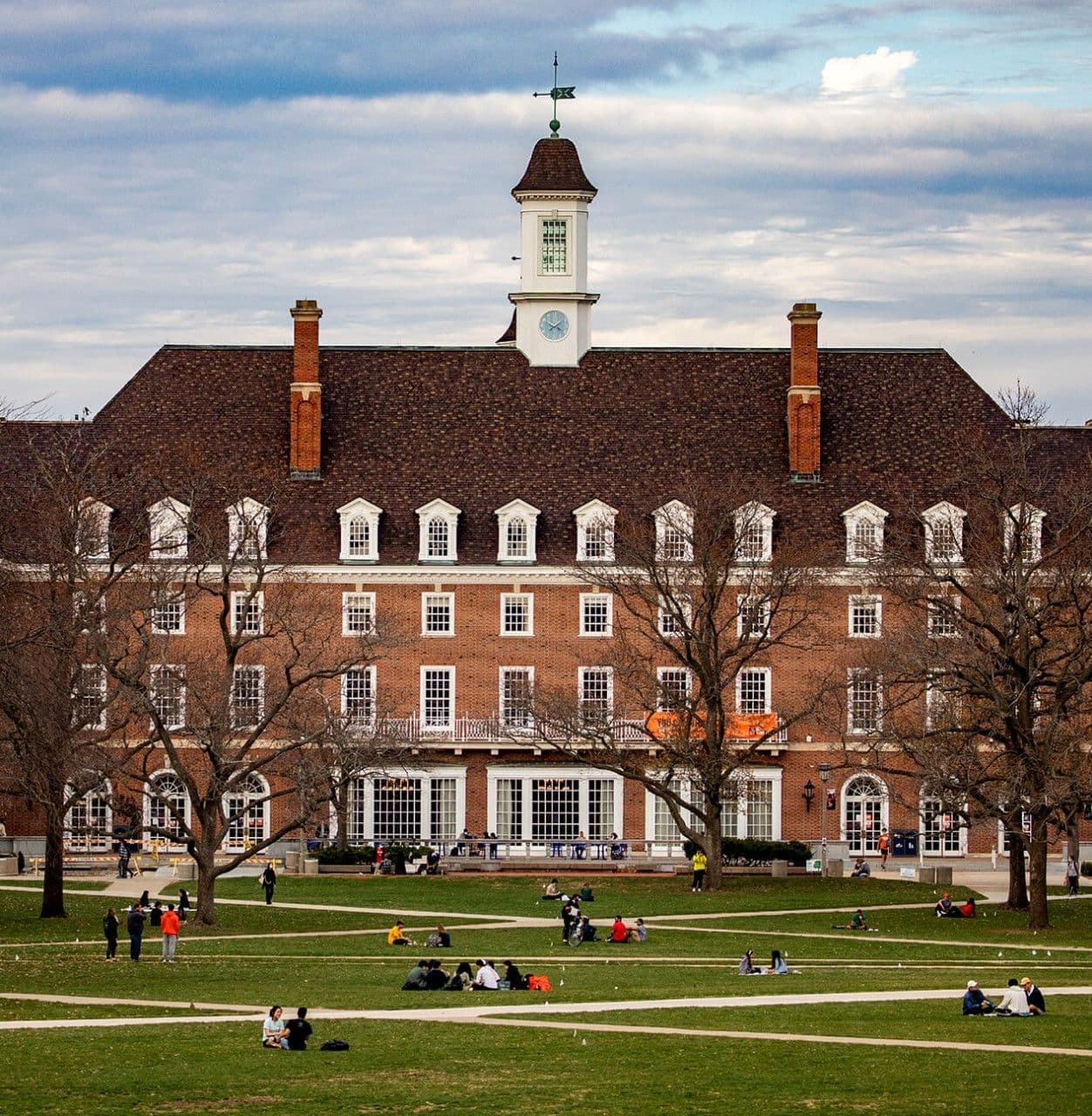
- Location: University of Illinois Urbana-Champaign, United States
- Field of Study: Sustainable Development
- Language of Instruction: English
Program Structure
Year 1 - Foundations in Sustainability and Food Systems
• Introduction to Sustainable Agriculture
• Principles of Environmental Science
• Academic Writing and Research Methods
• Fundamentals of Food Systems
Year 2 - Core Environmental and Food Sustainability Concepts
• Soil and Water Management for Sustainability
• Agricultural Economics and Policy
• Food Production and Resource Management
• Elective Modules in Environmental Studies or Sustainable Development
Year 3 - Applied Sustainability in Food Systems
• Sustainable Crop and Livestock Practices
• Environmental Impact Assessment
• Internship in Food Production or Sustainability Organizations
• Elective Modules in Renewable Resources or Climate Studies
Year 4 - Capstone and Professional Integration
• Independent Research Project in Food and Environmental Systems
• Seminar in Contemporary Sustainability Challenges
• Internship in Environmental or Agricultural Firms
• Advanced Topics in Sustainable Agriculture and Food Systems
Career Opportunities
Graduates of this program are prepared for careers in sustainable agriculture, environmental consulting, food systems management, and policy planning. Career paths include positions in environmental agencies, agriculture organizations, food production companies, non-governmental organizations, and research institutions, where professionals implement sustainable practices, evaluate environmental impacts, and manage resources responsibly. Graduates may also pursue roles in sustainability consulting, renewable resources management, or continue with advanced studies in sustainable development, environmental science, or agribusiness. The program equips students with practical skills, analytical expertise, and professional competence, enabling them to drive innovation and sustainability in food and environmental systems.
Why Choose This Program
This program is ideal for students passionate about sustainable agriculture, environmental stewardship, and ethical food production, seeking to combine practical knowledge with analytical skills. Learners develop problem-solving abilities, sustainability expertise, resource management skills, and professional readiness, enabling them to design and implement sustainable solutions in diverse agricultural and environmental contexts. The four-year curriculum balances theoretical study, fieldwork, laboratory experiments, research projects, and industry internships, providing a comprehensive foundation in sustainable food and environmental systems. By integrating hands-on experience with sustainability principles, students gain the knowledge, confidence, and competence to pursue careers in sustainable development, environmental management, food systems consultancy, or continue with advanced studies in sustainability, positioning themselves as skilled professionals ready to address global challenges.
Contact Information
For further information, please contact the graduate admissions office at:
Phone: 217-333-0035
Email: grad@illinois.edu
Address: The Graduate College, 507 East Green Street, Suite 101, MC-434, Champaign, IL 61820, United States
