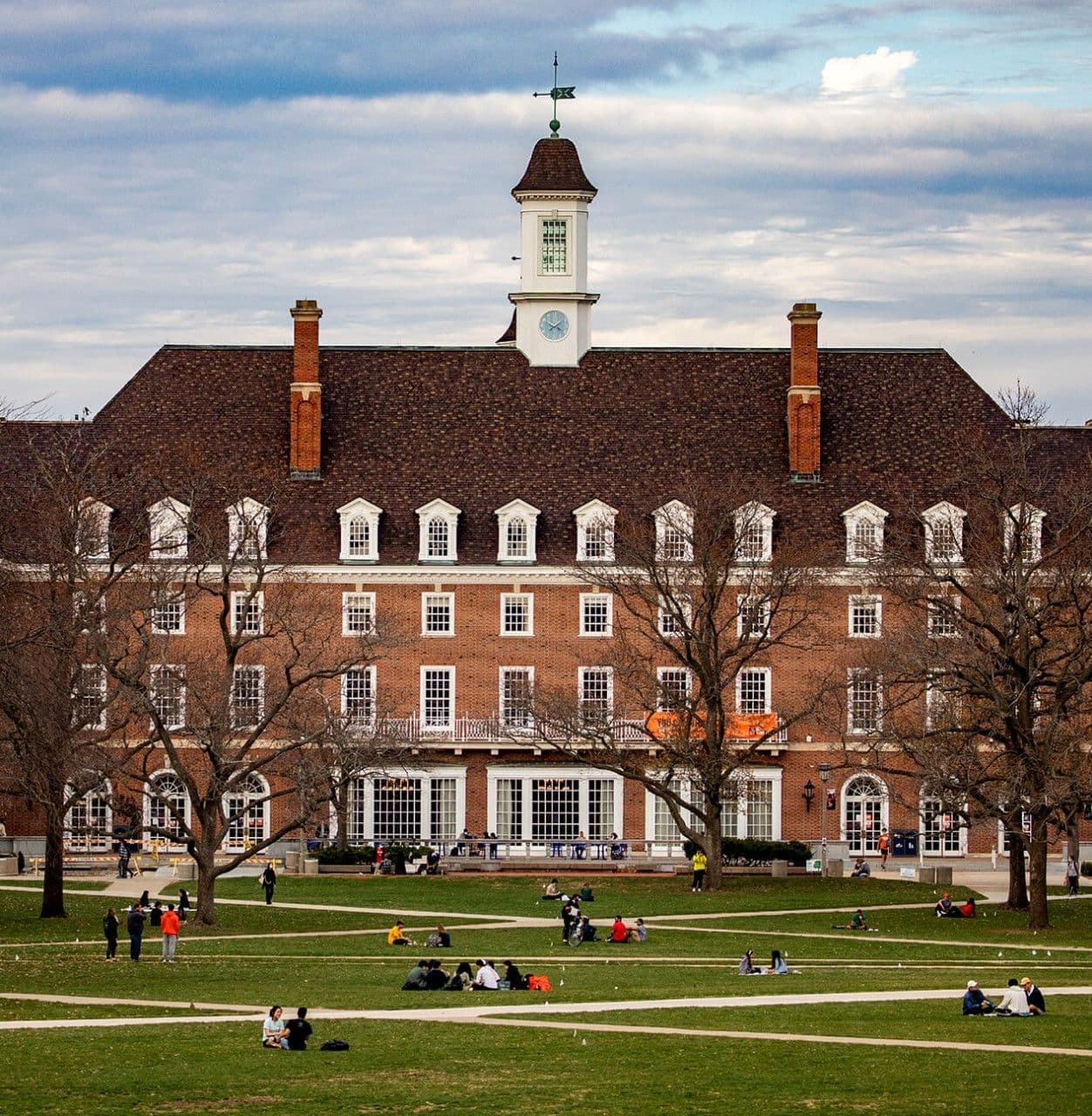

Teaching Chemistry
The Master of Science in Teaching Chemistry is a one year full time program designed for students who want to advance their expertise in chemistry education and instructional practice. The curriculum integrates theoretical foundations of chemical sciences with effective pedagogical strategies, enabling learners to teach complex scientific concepts in engaging and comprehensible ways. Students gain skills in chemical curriculum design, laboratory instruction, educational assessment and science communication, equipping them to create dynamic learning environments that promote student understanding and curiosity. The program structure emphasizes both academic rigor in chemistry and the application of evidence based teaching practices, preparing graduates for successful careers in secondary and higher education settings.
The program also promotes interdisciplinary connections between chemistry, education theory and educational technology. Students participate in laboratory teaching, curriculum projects, instructional workshops and research initiatives under faculty supervision, enhancing practical teaching experience and scientific knowledge. Access to modern chemistry laboratories, educational resources and mentorship strengthens both instructional and research capabilities. By the end of the program, graduates develop competencies in lesson planning, laboratory management, educational research and pedagogical leadership, preparing them for impactful careers in chemistry education.
Key Facts
Key Facts
- Program Title: Teaching Chemistry
- Degree Type: Master of Science
- Duration: 1 year
- Mode of Study: Full-time, On Campus
- Application Deadline: 01 December 2025
- Location: University of Illinois Urbana-Champaign, United States
- Field of Study: Chemistry
- Language of Instruction: English
Program Structure
Semester 1 - Foundations in Teaching Chemistry
• Principles of Chemistry Education
• Curriculum Development and Planning
• Laboratory Instruction and Safety
• Research Methods in Science Education
Semester 2 - Advanced Chemistry Instruction and Practice
• Pedagogical Strategies for Chemistry Learning
• Assessment and Evaluation in Science Education
• Instructional Technology and Innovative Teaching
• Independent Research Project or Teaching Portfolio
Career Opportunities
Graduates of this program are prepared for professional roles in educational institutions where teaching chemistry and fostering scientific literacy are key responsibilities. Many work in secondary schools, colleges, science academies and educational consultancy organizations, designing curriculum, teaching laboratory courses and implementing innovative instructional methods. Additional opportunities exist in curriculum development, teacher training, educational technology integration and science outreach programs. The program’s emphasis on practical teaching experience, research based instruction and pedagogical expertise equips graduates to enhance student learning outcomes and contribute to the advancement of science education.
Why Choose This Program
Students choose this program because it combines chemistry expertise, evidence based teaching, curriculum development skills and practical instructional experience, providing a well rounded foundation for teaching chemistry effectively. The curriculum emphasizes hands on laboratory instruction, lesson planning and student engagement while offering opportunities for research and applied learning in classroom settings. With guidance from experienced faculty, access to advanced laboratory facilities and exposure to real world educational environments, students strengthen both professional competence and instructional confidence. This program is particularly appealing to individuals who aim to inspire student learning, implement innovative chemistry teaching strategies and contribute to science education at multiple levels.
Contact Information
For further information, please contact the graduate admissions office at:
Phone: 217-333-0035
Email: grad@illinois.edu
Address: The Graduate College, 507 East Green Street, Suite 101, MC-434, Champaign, IL 61820, United States
