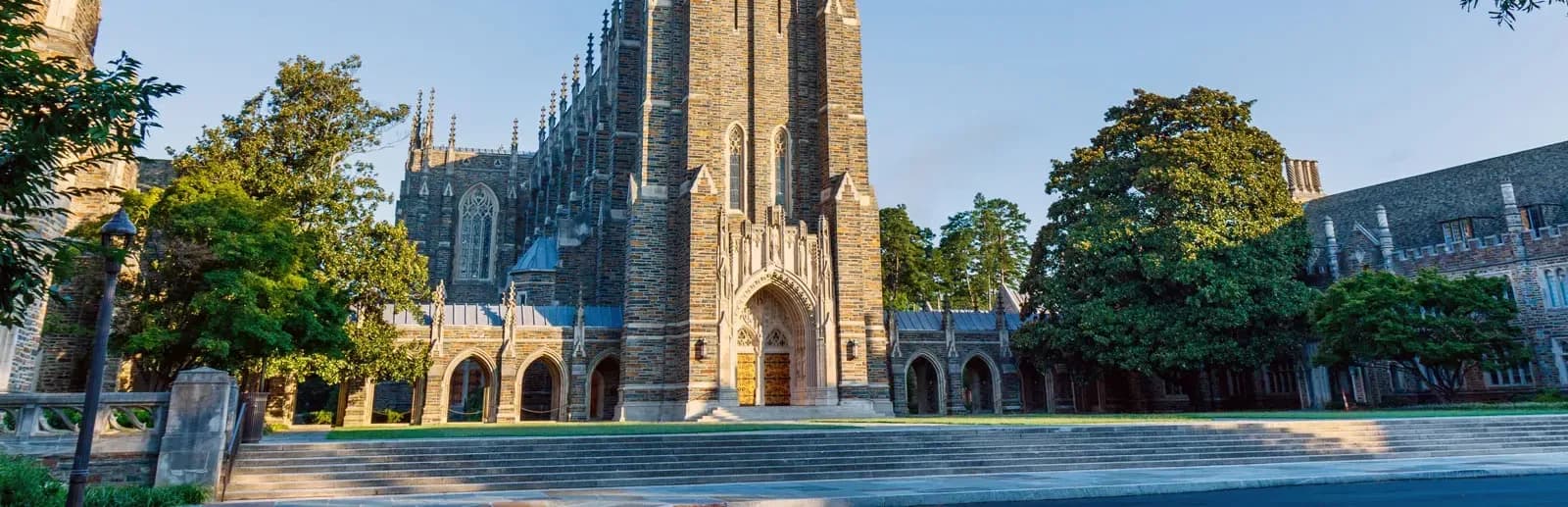
The Theological Studies master’s program at University of Duke provides a comprehensive academic structure designed for students who wish to explore theological inquiry in depth over a two-year period. The curriculum encourages learners to examine foundational doctrines, historical developments and the interpretive frameworks that shape theological understanding across traditions. Through sustained engagement with primary texts, scholarly debates and interdisciplinary perspectives, students cultivate strong analytical and reflective capabilities essential for advanced religious scholarship. This extended format supports steady intellectual growth and allows learners to develop a clear sense of direction within the field.
The program offers access to distinguished faculty, research libraries, academic seminars and a community that values rigorous discussion and critical reflection. Its coursework emphasizes textual interpretation, historical analysis, ethical reasoning and theological inquiry, helping students develop both academic depth and practical insight. Structured opportunities for research projects, guided mentorship and specialized electives enable students to explore their areas of interest with precision and confidence. By combining scholarly rigor with thoughtful engagement, the program prepares graduates for research-oriented careers, ministry pathways or further academic study in theology and related disciplines.
Key Facts
Key Facts
- Program Title: Theological Studies
- Degree Type: S. Master
- Duration: 2 years
- Mode of Study: Full-time, On Campus
- Application Deadline: 15 April 2026
- Location: Duke University, United States
- Field of Study: Theology and Religious Studies
- Language of Instruction: English
Program Structure
Semester 1 – Foundations in Theology and Historical Thought
• Introduction to Theological Method
• History of Christian Traditions I
• Ethics, Philosophy and Religion
• Scriptural Interpretation and Hermeneutics
Semester 2 – Expanding Theological Perspectives
• History of Christian Traditions II
• Contemporary Theological Themes
• Religion and Culture
• Seminar in Biblical Studies
Semester 3 – Specialized Study & Research Development
• Comparative Religious Thought
• Theology and Modern Society
• Elective in Advanced Theological Topics
• Research Practicum / Guided Inquiry
Semester 4 – Advanced Scholarship & Final Project
• Seminar in Systematic Theology
• Religion, Ethics and Public Interpretation
• Elective in Historical or Theological Studies
• Independent Research / Master’s Thesis
Career Opportunities
Graduates of the Theological Studies program are prepared for a wide spectrum of academic, community-focused and research-oriented roles that require deep understanding of religious traditions and strong analytical skills. Many pursue positions in educational institutions, faith-based organizations, nonprofit leadership and community engagement, where the ability to interpret complex religious and ethical issues is highly valued. Graduates also find opportunities within cultural institutions, publishing, policy organizations, and roles that involve public communication on spiritual, cultural or ethical topics. For those planning to continue into doctoral studies, the program’s structured research training and emphasis on scholarly writing provide an excellent foundation for advanced academic work in theology, ethics, religious history or related fields. This combination of analytical depth and practical applicability supports successful career development across both academic and community sectors.
Why Choose This Program
This two-year master’s program is ideal for students seeking a rigorous, well-structured and deeply reflective exploration of theology that allows sufficient time for intellectual maturity and specialization. Its curriculum emphasizes critical theological analysis, historical understanding, ethical inquiry and a setting that encourages sustained academic engagement. Students benefit from seminars, research development opportunities and mentorship that guide them toward nuanced interpretations of religious texts and traditions. The extended program length also allows learners to explore interdisciplinary connections and refine their academic interests with care. For those who value an immersive, scholarly and purpose-driven approach to theological education, this program offers a balanced and enriching pathway that supports both professional preparation and long-term academic growth.
Contact Information
For further information, please contact the admissions office at:
Phone: +1 (919) 684-8111
Email: admissions@duke.edu
Address: University of Duke, Durham, North Carolina, United States
