Master of Science · Full-time · On Campus

Johns Hopkins University
Baltimore, United States
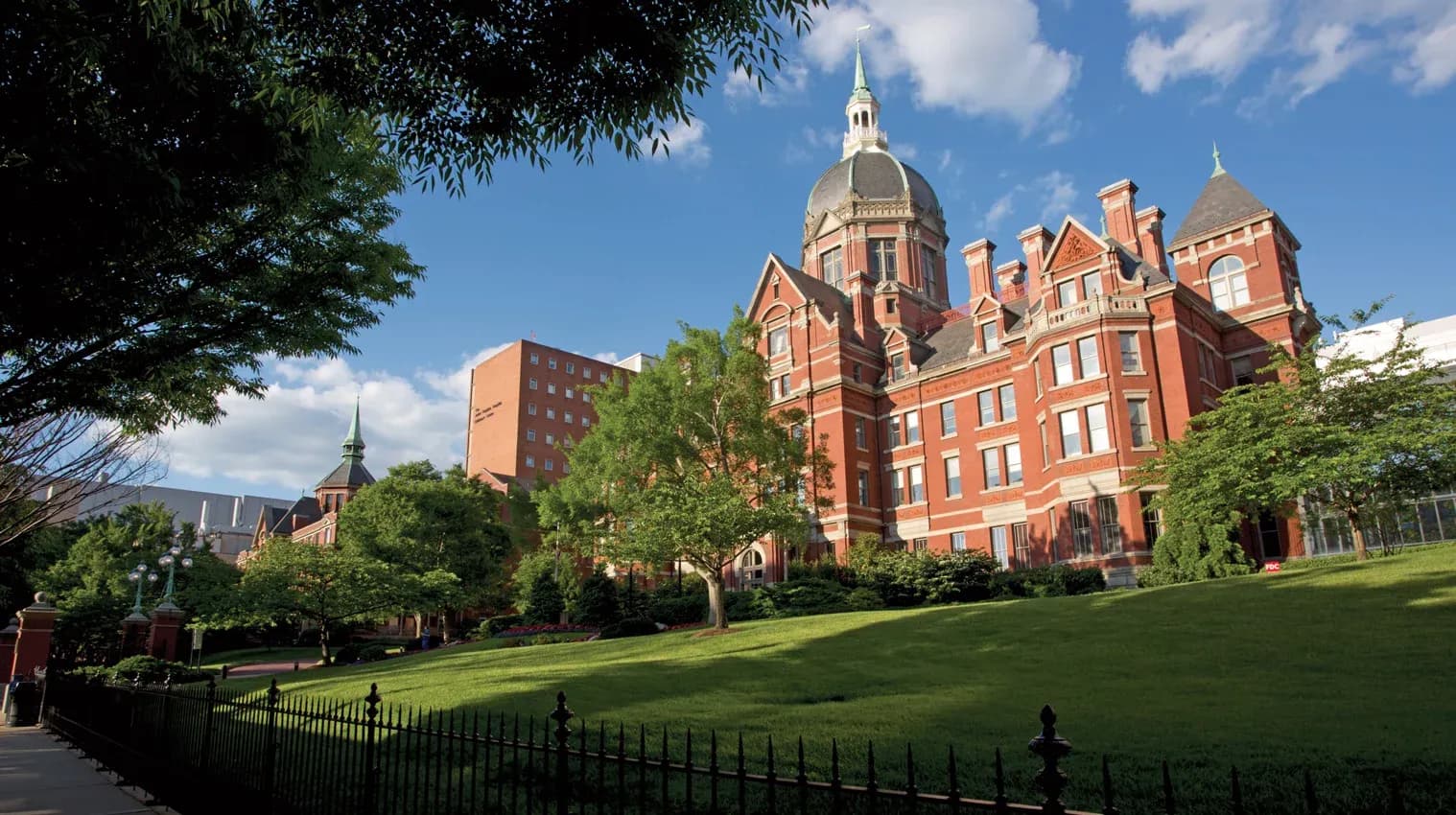
The Toxicology for Human Risk Assessment Master of Science program at Johns Hopkins University offers a comprehensive academic and research experience focused on evaluating chemical exposures and their potential impact on human health. Over two years of full-time, on-campus study, students gain expertise in toxicological sciences, environmental health, exposure modeling, and public health risk communication. The curriculum emphasizes molecular mechanisms, dose-response assessment, regulatory toxicology, and human health protection, equipping graduates to critically assess toxic agents in occupational, environmental, and consumer contexts.
Through a multidisciplinary lens, the program integrates biology, chemistry, epidemiology, and risk assessment methodologies, allowing students to explore how toxic substances interact with biological systems. Faculty members with backgrounds in both research and regulatory practice guide students through laboratory work, case studies, and risk evaluation exercises. Emphasis is placed on the interpretation of toxicological data, design of exposure studies, and the application of risk frameworks to inform policy. By combining quantitative modeling, toxicokinetics, hazard identification, and science-based judgment, the program prepares graduates for professional roles at the interface of science and public health decision-making.
Semester 1 – Core Principles in Toxicology
Semester 2 – Applied Toxicological Methods
Semester 3 – Risk Characterization and Public Health
Semester 4 – Research and Professional Development
Graduates of this program are well-positioned to work in scientific, regulatory, and advisory roles across multiple sectors where toxicology and health risk assessment are vital. Common career paths include positions as regulatory toxicologists, risk assessors, environmental health scientists, and public health analysts within agencies such as the EPA, FDA, CDC, or international organizations. Many also work for private consulting firms, research institutions, or chemical and pharmaceutical companies, contributing to product safety evaluations, compliance, and policy support. The program also provides a strong foundation for doctoral study or post-graduate fellowships in toxicological sciences or environmental health. With training in both scientific methods and regulatory frameworks, graduates are equipped to contribute meaningfully to efforts that protect population health and guide evidence-based policy.
This program is uniquely structured for individuals who wish to develop the scientific expertise and regulatory insight necessary to assess toxic risks and promote public health safety. Its curriculum integrates laboratory science with applied policy, offering students a dual perspective on how toxicological data informs real-world decisions. The two-year timeline allows for deep academic engagement, hands-on research, and the development of specialized knowledge in areas like molecular toxicology, environmental regulation, and public health law. Students benefit from mentorship by internationally recognized faculty, access to cutting-edge research labs, and collaboration with professionals working in governmental and industrial toxicology sectors. With an emphasis on ethical responsibility, scientific rigor, and communication skills, the program prepares graduates to influence how societies manage chemical exposures and safeguard health. Whether your goal is to work in regulatory assessment, chemical safety policy, industrial toxicology, or environmental health leadership, this program delivers the interdisciplinary foundation, practical tools, and professional network needed to lead confidently in the growing field of human risk assessment.
For further information, please contact the admissions office at:
Phone: +1 410 516 8000
Email: admissions@jhu.edu
Address: Johns Hopkins University, 3400 N. Charles Street, Baltimore, MD 21218, USA
Master of Science · Full-time · On Campus
Johns Hopkins University
Baltimore, United States
Master of Arts · Full-time · On Campus
Johns Hopkins University
Baltimore, United States
Master of Arts · Full-time · On Campus
Johns Hopkins University
Baltimore, United States
Master of Science · Full-time · On Campus
Johns Hopkins University
Baltimore, United States
