Writing - Literary Translation
The Master of Arts in Writing - Literary Translation provides an immersive academic environment for students who want to develop a deep understanding of both the art and technique of translating literary texts. The program emphasizes linguistic nuance, cultural interpretation, and the creative process behind transferring meaning, tone, and style across languages. Through its interdisciplinary structure, students refine their skills in creative translation, textual analysis, literary interpretation, and cross cultural communication, preparing them to work thoughtfully with diverse forms of literature.
Across this two year, full time and on campus program, learners engage with faculty who are active writers, translators, and researchers in world literature. The curriculum integrates workshops, seminars, and research practice, encouraging students to explore translation as both a craft and a scholarly discipline. Collaborative projects and text based studies help students strengthen abilities in narrative structure, linguistic precision, editorial technique, and research based translation, supporting them in producing polished and original translation work that responds to literary, historical, and cultural contexts.
Key Facts
Key Facts
- Program Title: Writing - Literary Translation
- Degree Type: Master of Arts
- Duration: 2 years
- Mode of Study: Full-time, On Campus
- Application Deadline: 03 January 2026
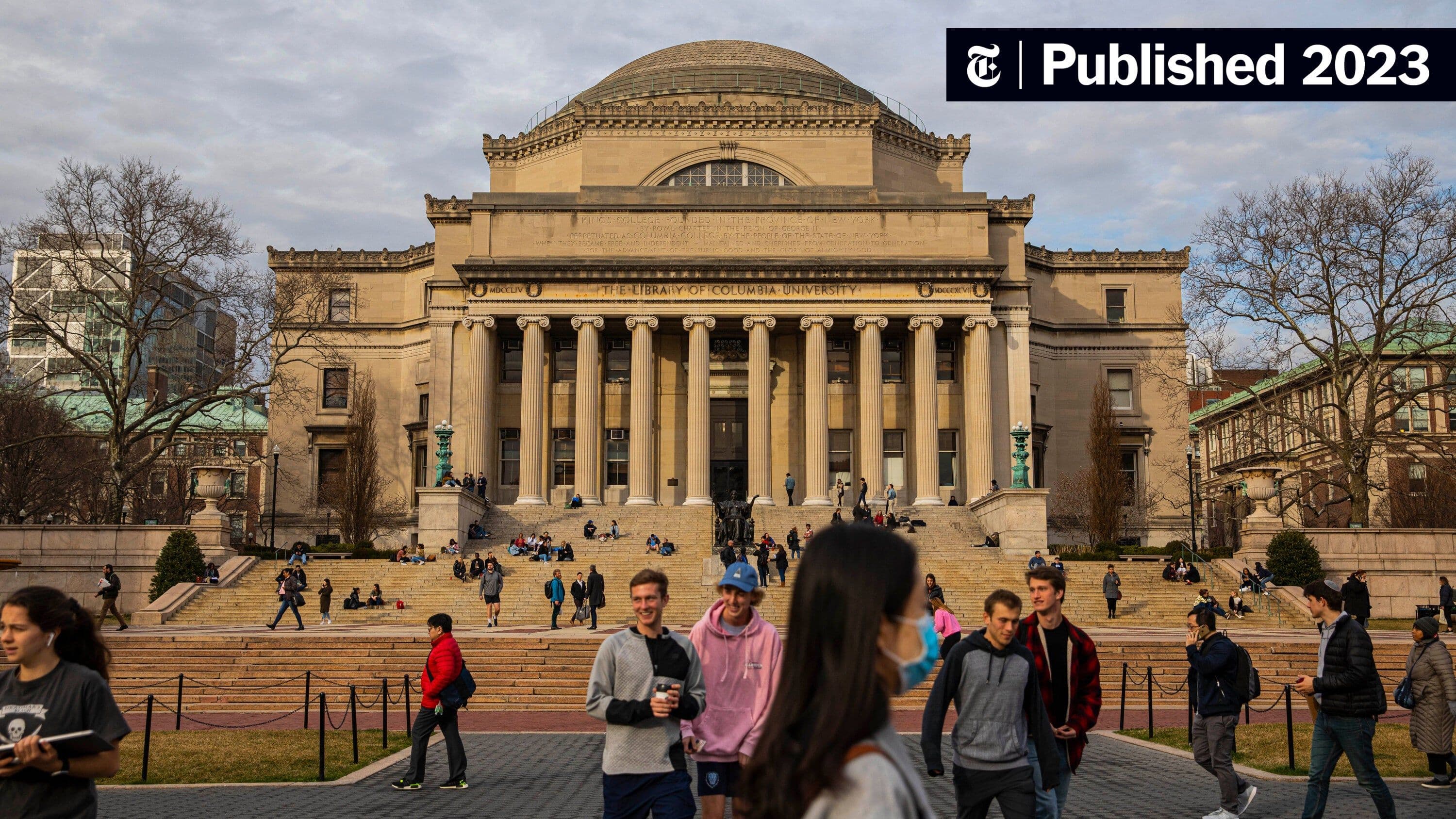
- Location: Columbia University, United States
- Field of Study: Creative Writing
- Language of Instruction: English
Program Structure
Semester 1 – Foundations of Literary Translation
• Introduction to Translation Theory
• Comparative Literature and Cultural Contexts
• Language Structure and Stylistic Techniques
• Research Methods for Literary Studies
Semester 2 – Applied Translation Practice
• Genre Based Translation Workshop
• Editing and Revising Translated Texts
• Literary Analysis and Narrative Form
• Seminar in Contemporary World Literature
Semester 3 – Advanced Translation and Creative Development
• Specialized Translation Workshop
• Cultural Semiotics and Interpretation
• Independent Translation Research
• Elective in Literature or Creative Writing
Semester 4 – Master’s Thesis and Professional Portfolio
• Thesis Translation Project
• Critical Commentary and Academic Writing
• Portfolio Preparation and Presentation
• Strategies for Publishing and Professional Practice
Career Opportunities
Graduates of this program pursue a variety of roles that require strong command of languages, literary insight, and advanced translation skills, working in areas such as literary translation, publishing, editing, and cultural research across both creative and academic settings. Many find positions in publishing houses, literary agencies, cultural institutions, nonprofit arts organizations, and international education sectors where their ability to translate, interpret, and evaluate texts contributes to the dissemination of global literature. Their training allows them to develop manuscripts, collaborate with authors, support editorial processes, and participate in cross cultural communication projects. The program also prepares graduates to engage in freelance translation, contribute to journals, pursue advanced academic study, or take on advisory roles related to global literature, book development, and language focused creative work.
Why Choose This Program
Students choose this program because it offers a comprehensive blend of creative translation training, literary scholarship, advanced writing practice, and cross cultural expertise, enabling them to build a strong foundation for professional and artistic growth. The curriculum encourages deep engagement with texts, allowing students to examine language, narrative, and voice while developing a disciplined translation practice supported by expert mentorship. Through workshops, independent research, and portfolio development, students gain hands on experience that strengthens their literary sensibilities and prepares them for work in a highly competitive field. The program fosters critical thinking, artistic experimentation, and reflective practice, equipping graduates with the intellectual and creative tools necessary to contribute meaningfully to the world of translated literature.
Contact Information
For further information, please contact the admissions office at:
Phone: +1 212 854 1754
Email: admissions@columbia.edu
Address: University of Columbia, Admissions Office, New York, NY, United States
