.png&w=640&q=75)
Writing
The Writing program offers an immersive and comprehensive study of creative writing, emphasizing fiction, poetry, and narrative craft. Over three years, students explore literary techniques, genre studies, and storytelling while engaging in workshops and peer review. The curriculum emphasizes critical thinking, analytical skills, and applied writing practice, enabling learners to develop original works and refine their authorial voice. Through seminars, collaborative projects, and mentorship, students gain the ability to produce publishable, professional-quality creative work.
Students also participate in fieldwork, writing labs, and literary analysis exercises, fostering both creative development and professional expertise. Guidance from experienced faculty helps students navigate the literary landscape, submit work for publication, and prepare for careers in writing and related fields. By the end of the program, graduates leave with a strong portfolio of written work, advanced writing skills, and professional experience, ready to contribute to literary, educational, and publishing sectors.
Key Facts
Key Facts
- Program Title: Writing
- Degree Type: Master of Arts
- Duration: 3 years
- Mode of Study: Full-time, On Campus
- Application Deadline: 01 January 2026
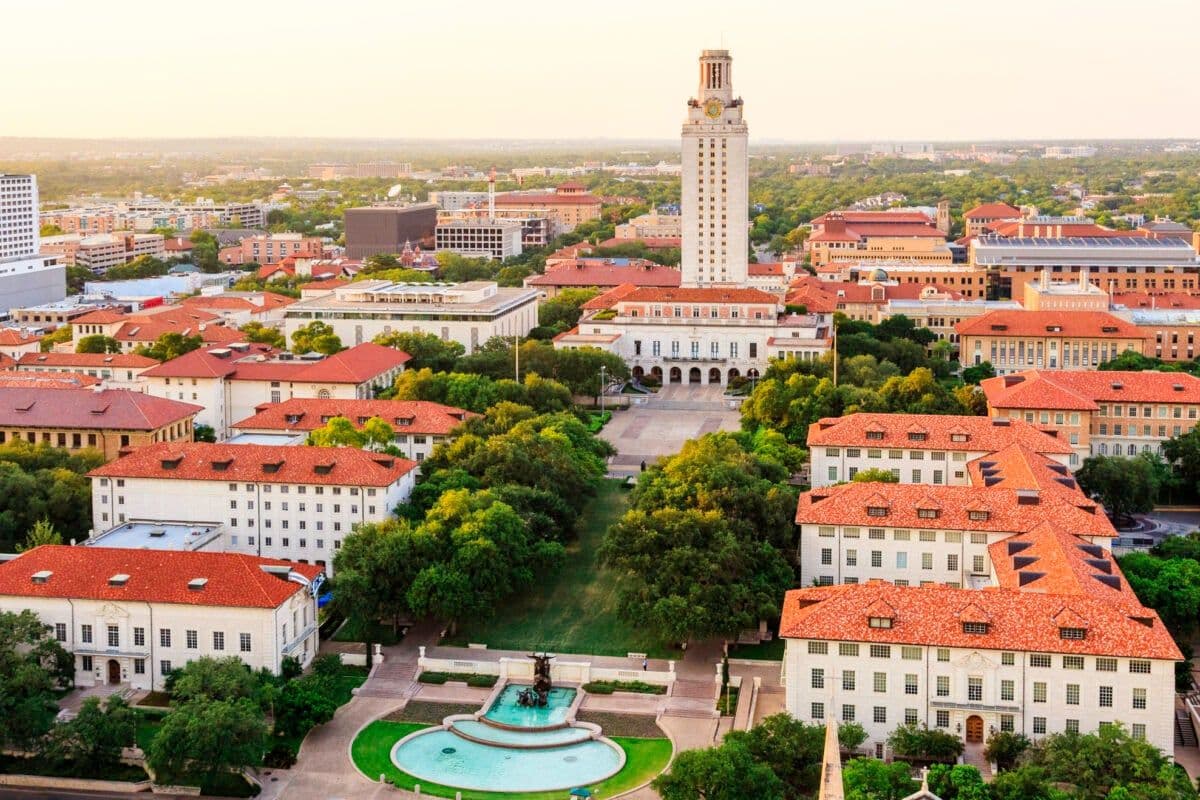
- Location: University of Texas at Austin, United States
- Field of Study: Creative Writing
- Language of Instruction: English
Program Structure
Year 1 – Foundations in Creative Writing
- Introduction to Fiction and Poetry
- Fundamentals of Narrative Techniques
- Literary Analysis and Critical Thinking
- Workshop: Peer Review and Feedback
Year 2 – Intermediate Writing & Genre Studies
- Advanced Fiction and Poetry Writing
- Creative Nonfiction and Memoir
- Editing and Revision Techniques
- Seminar: Contemporary Literary Practices
Year 3 – Specialization & Capstone
- Thesis Project / Major Creative Work
- Advanced Workshops in Chosen Genre
- Publication and Professional Development
- Electives in Literary Studies or Writing Theory
Career Opportunities
Graduates are prepared for careers as authors, editors, creative writing instructors, and content creators. They may work in publishing houses, educational institutions, media organizations, or pursue freelance writing and literary consultancy. The program equips students with skills in writing, editing, critical evaluation, and professional portfolio development, enabling them to contribute creatively and strategically in literary and educational contexts. Alumni often participate in publishing projects, workshops, and literary events. With strong creative output and professional experience, graduates gain a competitive advantage in the literary and writing industry.
Why Choose This Program
This program is ideal for students seeking advanced training in creative writing with a focus on applied practice, critical analysis, and professional development. The three-year structure allows learners to build foundational skills, explore multiple genres, and complete a major creative thesis under expert mentorship. By participating in workshops, seminars, and applied projects, students develop critical thinking, creative expression, and editorial skills. The curriculum emphasizes literary innovation, professional preparation, and artistic growth, preparing graduates to make meaningful contributions to writing, publishing, and literary education.
Contact Information
For further information, please contact the admissions office at:
Phone: +1 (512) 471-3434
Email: gradadmissions@utexas.edu
Address: 110 Inner Campus Drive, Stop G1800, Austin, TX 78712, USA
