Master of Science · Full-time · On Campus

Middle East Technical University
Turkey
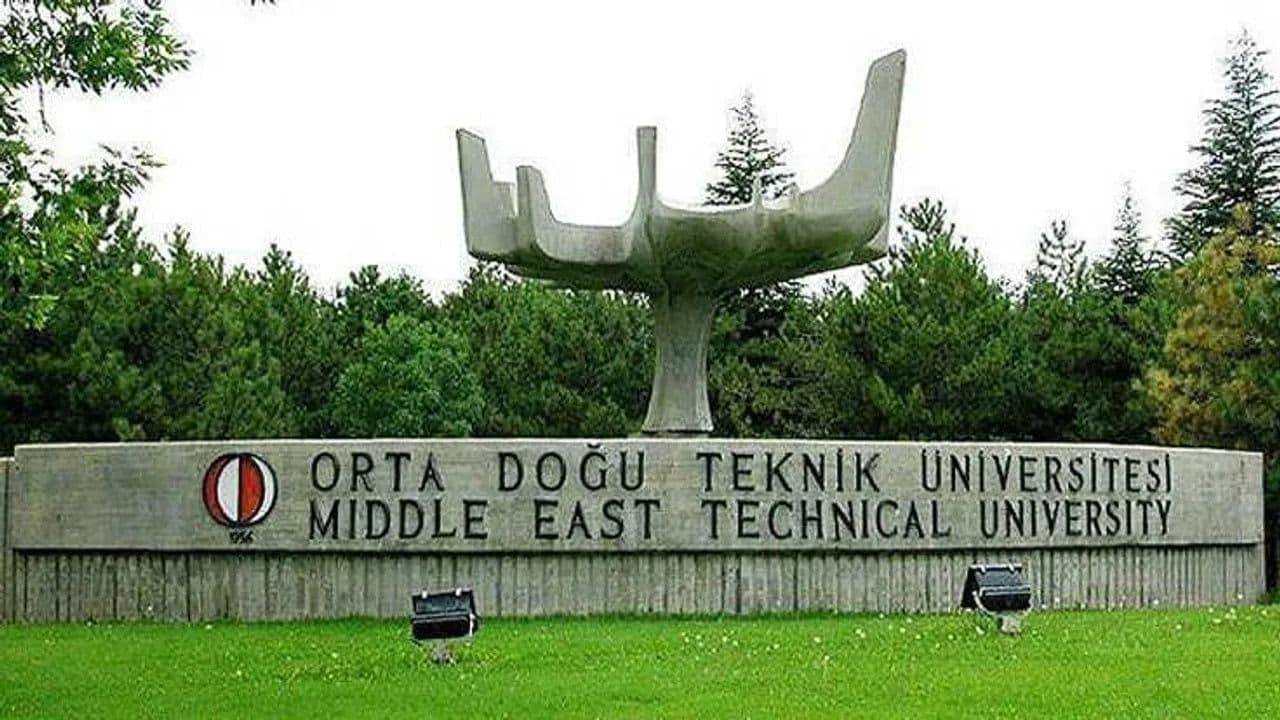
The Bachelor of Science in Food Engineering at METU is an undergraduate program designed to provide students with a solid foundation in food science, engineering principles, and technology to produce safe, nutritious, and high-quality food products. The curriculum combines core courses in chemistry, biology, physics, and engineering fundamentals with specialized courses in food chemistry, food microbiology, food processing, food safety and quality control, food plant design, nutrition, and food product development. Through laboratory work, processing-oriented courses and industrial practice, students gain both theoretical knowledge and practical skills necessary to work in food industry, research, quality assurance, product development or regulatory sectors.
Located in Ankara within METU’s engineering and science environment, this program emphasizes interdisciplinary understanding, combining sciences and engineering applied to food systems. Graduates are prepared to contribute to food technology, food safety, production management, research & development — with a comprehensive understanding of both scientific and engineering aspects of food production and processing.
Semester 1 – Foundations of Science & Engineering Basics
Semester 2 – Basic Sciences & Supporting Courses
Semester 3 – Core Food Science & Chemistry
Semester 4 – Food Technology & Process Fundamentals
Semester 5 – Processing, Quality & Safety
Semester 6 – Advanced Food Engineering & Plant Design
Semester 7 – Product Development & Industrial Practice
Semester 8 – Graduation Project & Professional Preparation
Graduates are qualified to work in food production and processing companies, quality control labs, regulatory agencies, research and development, food safety and hygiene management, product development, food packaging, nutritional consultancy, quality assurance, or continue with graduate studies in food science, nutrition, biochemical engineering, or related fields. They may take roles such as food engineer, quality control specialist, process engineer, product developer, food safety officer, R&D engineer, regulatory compliance officer, or nutrition and food systems consultant.
Choosing Food Engineering at METU offers a unique education that bridges science and engineering within the vital field of food production and safety. The program’s strong grounding in chemistry, biology and engineering — combined with applied food science, processing technology, food safety and nutrition — enables graduates to address real-world challenges in food quality, sustainability, and innovation.
With comprehensive laboratory training, emphasis on practical industry-oriented skills and opportunities for product development and industrial practice, the program equips students to work in national or international food industry, contribute to public health and nutrition, or engage in advanced research and innovation in food technology.
Middle East Technical University – Department of Food Engineering
Dumlupınar Boulevard No:1
06800 Çankaya, Ankara, Türkiye
Tel: +90 312 210 4000
Email: foodeng@metu.edu.tr
Student Affairs Office – Food Engineering Program
Faculty of Engineering, METU
06800 Ankara, Türkiye
Tel: +90 312 210 4001
Email: foodeng-undergrad@metu.edu.tr
International Office – Middle East Technical University
METU Campus
06800 Çankaya, Ankara, Türkiye
Tel: +90 312 210 1060
Email: ico@metu.edu.tr
Master of Science · Full-time · On Campus
Middle East Technical University
Turkey
Master of Science · Full-time · On Campus
Middle East Technical University
Turkey
Master of Science · Full-time · On Campus
Middle East Technical University
Turkey
Master of Science · Full-time · On Campus
Middle East Technical University
Turkey
