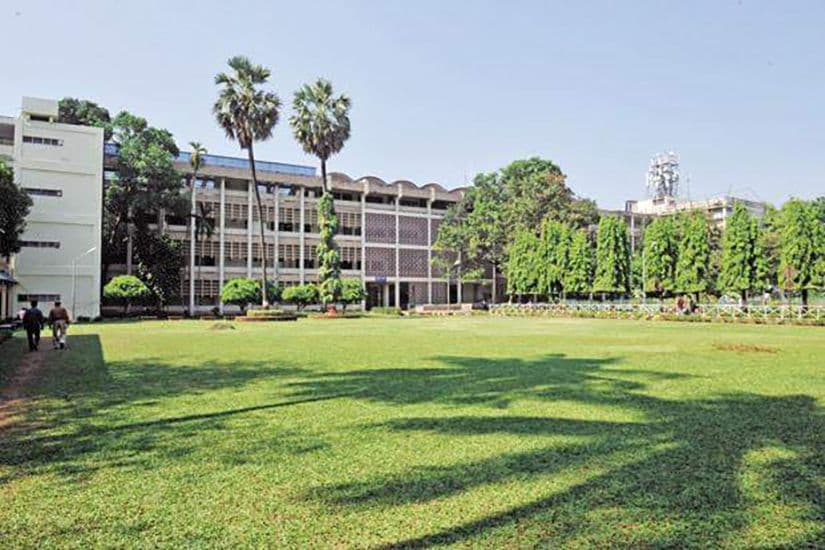


Jawaharlal Nehru University (JNU), established in 1969, is one of India’s most prestigious and influential universities. Located in the heart of New Delhi, JNU has long been a leader in providing high-quality education and promoting interdisciplinary research across a broad range of academic fields. It is recognized for its commitment to social justice, critical thinking, and academic freedom, and has earned a global reputation for its academic excellence and research output.
JNU offers a diverse range of undergraduate, postgraduate, and doctoral programs in fields such as social sciences, humanities, natural sciences, engineering, and international studies. With a highly competitive selection process, the university attracts talented students from all over India and abroad. The focus at JNU is not only on traditional academic learning but also on fostering innovative research that addresses both local and global challenges.
Jawaharlal Nehru University was founded with the goal of promoting higher education and research that emphasized social relevance and interdisciplinary studies. The university was named after India’s first Prime Minister, Jawaharlal Nehru, who envisioned an institution that would encourage critical thought and create leaders who could address India’s challenges in the post-independence era.
From its humble beginnings, JNU has grown into one of the foremost academic institutions in India. Its history is deeply rooted in the philosophy of social justice, equality, and academic freedom, principles that continue to guide its mission today. Over the decades, JNU has produced some of the country’s top intellectuals, researchers, and political leaders.
JNU offers a wide variety of academic programs, with a strong emphasis on research and interdisciplinary studies. The university offers undergraduate, postgraduate, and doctoral programs in fields as diverse as political science, sociology, history, economics, biotechnology, engineering, and international relations.
The university is renowned for its research output, especially in the social sciences and humanities. JNU’s academic structure encourages collaboration across departments, allowing students and faculty to engage in innovative research projects that have real-world applications. The university’s research centers and initiatives tackle some of the world’s most pressing issues, such as sustainable development, peace studies, and social inequalities.
At JNU, student life is vibrant and dynamic. The university hosts a range of student activities, including debates, seminars, festivals, and cultural events, fostering a strong sense of community among its diverse student body. The campus provides numerous opportunities for students to engage in discussions on social, political, and cultural issues, helping them develop well-rounded perspectives.
JNU’s global network offers students opportunities to participate in exchange programs, research collaborations, and internships with international universities and institutions. This global engagement allows students to gain exposure to various academic and cultural perspectives, enhancing their overall educational experience. The university’s partnerships with renowned institutions worldwide further provide students with the opportunity to broaden their knowledge and contribute to global academic discourse.
Jawaharlal Nehru University (JNU)
New Mehrauli Road, New Delhi – 110067, India
Phone: +91 (11) 2674 2575
Email: pro@jnu.ac.in