Bachelor of Science · Full-time · On Campus

Istanbul Technical University
Turkey
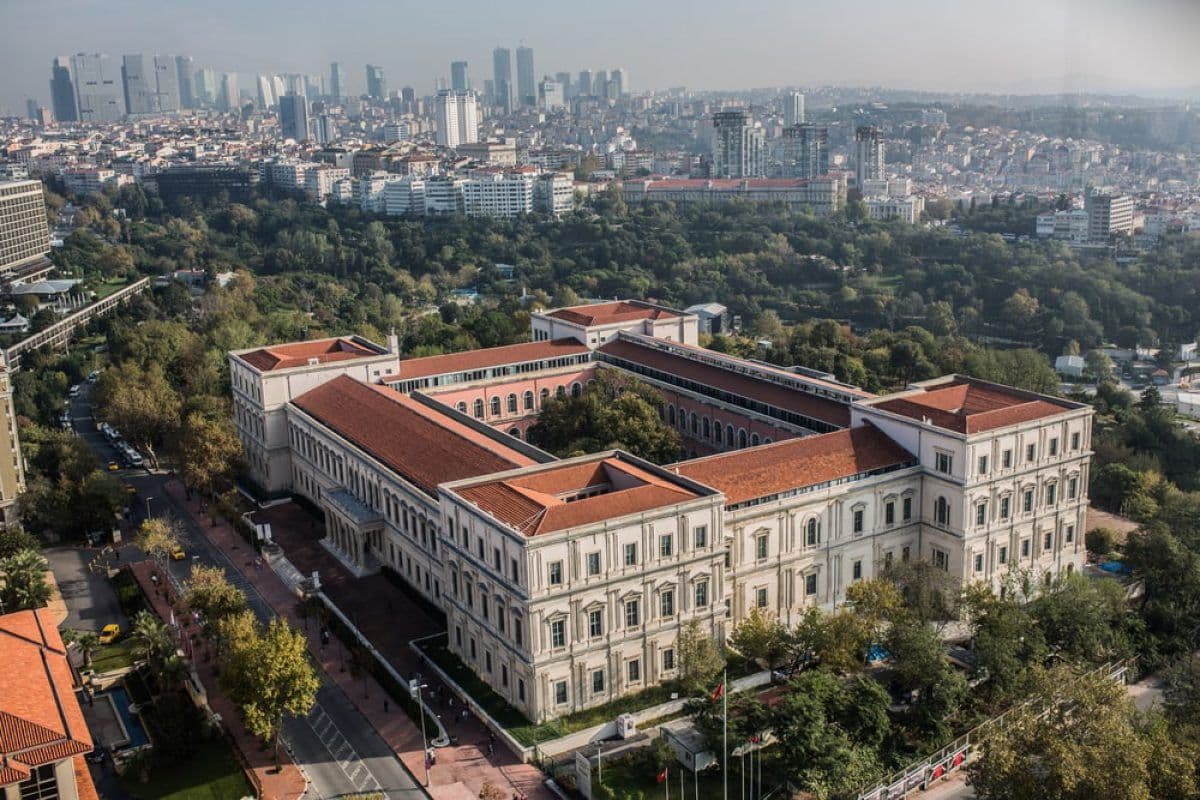
The Bachelor of Science in Civil Engineering (English) at İstanbul Technical University is a strong undergraduate program for students who want to build and shape the world around us. In this program, you learn how to design, build, and maintain buildings, bridges, tunnels, roads, water systems, and other civil infrastructure. You study both theory and practice — mathematics, materials, structures, and modern engineering tools. The program gives you broad knowledge about construction, environment, and infrastructure, preparing you for real-life engineering tasks after graduation.
With English instruction and a long history of engineering education at ITU, students benefit from expert professors, modern labs, and practical courses. The program also encourages teamwork, problem solving, and responsibility — important for civil engineers working on real projects. If you like designing, mathematics, buildings or structures, and want to help build safe and useful living environments, this program is a good choice.
Semester 1 – Foundations of Engineering
Semester 2 – Basic Materials and Earth Sciences
Semester 3 – Structural Mechanics and Materials
Semester 4 – Structural Design and Infrastructure Basics
Semester 5 – Advanced Structural Design & Construction Techniques
Semester 6 – Infrastructure, Transportation & Project Management
Semester 7 – Applied Engineering Projects & Practical Training
Semester 8 – Graduation Project & Professional Preparation
Graduates of Civil Engineering can work in many different fields. They may become structural engineer, project manager, urban infrastructure engineer, transportation engineer, water and environmental engineer, or construction manager. They can work for construction companies, design offices, public institutions, municipal and infrastructure agencies, or research labs. Because the program is taught in English and from a respected university, graduates may also work abroad or join international companies. Civil engineers are needed everywhere — in building cities, designing safe buildings, planning water and road systems, and managing large projects.
Choosing Civil Engineering at ITU means joining a program with strong education quality, modern labs, and a long tradition of engineering. You learn both theory and practical applications — from the basic science to real construction practices. The English track helps if you want to work in international projects or abroad.
This program also teaches you teamwork, project planning, and communication — important for working with architects, engineers, and clients. Civil engineering affects everyday life: buildings, roads, water systems, and public spaces. If you want to help shape cities and society, contribute to safe and sustainable living environments, this program gives you the skills and knowledge to do it.
İstanbul Technical University – Department of Civil Engineering
Ayazağa Campus, Maslak
34469 Istanbul, Turkey
Tel: +90 212 (faculty contact number)
Email: civil-engineering@itu.edu.tr
Faculty Student Affairs Office
Ayazağa Campus, Maslak
34469 Istanbul, Turkey
Tel: +90 212 (student affairs contact)
Email: studentaffairs@insmuh.itu.edu.tr
International Office – İstanbul Technical University
Ayazağa Campus, Maslak
34469 Istanbul, Turkey
Tel: +90 212 (international office contact)
Email: international@itu.edu.tr
Bachelor of Science · Full-time · On Campus
Istanbul Technical University
Turkey
Bachelor of Science · Full-time · On Campus
Istanbul Technical University
Turkey
Bachelor of Science · Full-time · On Campus
Istanbul Technical University
Turkey
Bachelor of Science · Full-time · On Campus
Istanbul Technical University
Turkey
