Bachelor of Science · Full-time · On Campus

University College London (UCL)
London, United Kingdom



A master's in psychology gives you the theory, research training and applied skills to understand how people think, feel and behave. On Stuudy you can compare 289 psychology programmes across 12 countries, from one-year taught degrees to two-year research masters, and see exactly how tuition, specialisations and entry routes differ before you apply.
Most postgraduate psychology degrees combine advanced coursework with hands-on research. You will typically study research methods and statistics, deepen your knowledge of one or two sub-fields, and complete a supervised thesis or applied placement. Taught masters usually run for one year in the UK and Ireland and up to two years across much of continental Europe and the United States. Programmes range from broad, general psychology to highly focused tracks, so it pays to check the curriculum, the amount of supervised practice, and whether the degree leads towards professional registration in your target country.
Studying abroad exposes you to different research traditions, clinical models and funding systems. It can also open doors to international registration and give you a stronger profile for doctoral study. Across our data, psychology is offered widely in the United Kingdom, the Netherlands and the United States, with further options in Germany, Sweden and Italy. Each destination has its own strengths: the UK and US are known for large research faculties, while Dutch universities are recognised for research masters taught in English.
Psychology is a broad field, and your choice of specialisation shapes both your studies and your career. Common tracks include:
If your interests lean towards the biological or medical side, it is worth also browsing related health sciences programmes before you decide.
Graduates work as researchers, and in counselling, human resources, user experience, education, marketing and public policy. A master's is often a stepping stone towards licensed clinical practice or a PhD, though the exact route to becoming a practising psychologist is regulated and varies by country. Because requirements differ, always confirm whether a specific degree is accredited by the relevant professional body where you intend to work.
Tuition varies widely by country and student status. In our current data, annual fees for psychology masters range from under €200 at some public Italian and Swiss universities to more than €80,000 for selected programmes at leading UK and US institutions. Public universities in continental Europe are generally the most affordable, while fees in the UK and US are higher and often differ for domestic and international students. Always budget for living costs and check whether scholarships or assistantships are available.
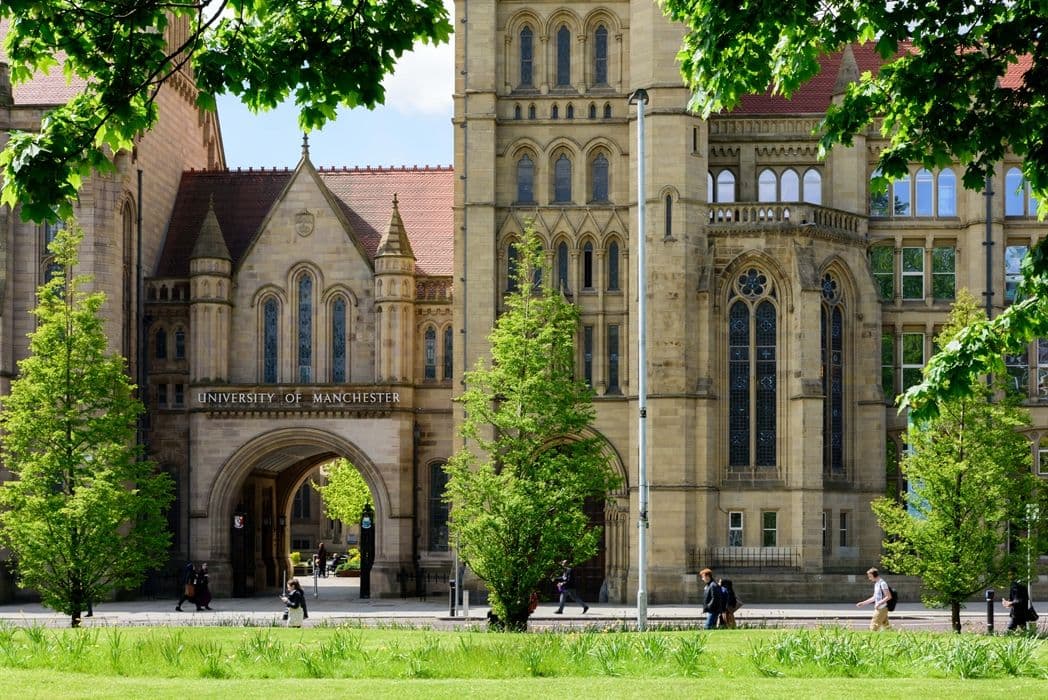
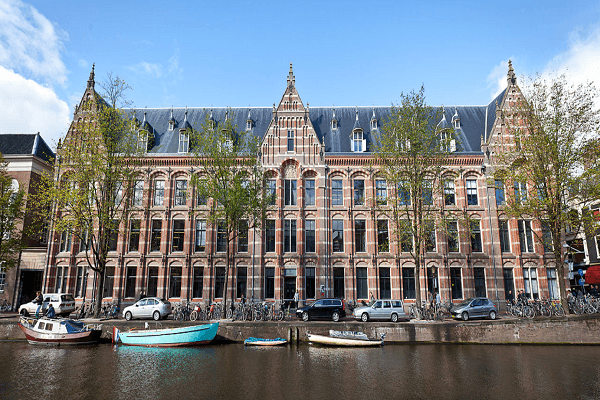
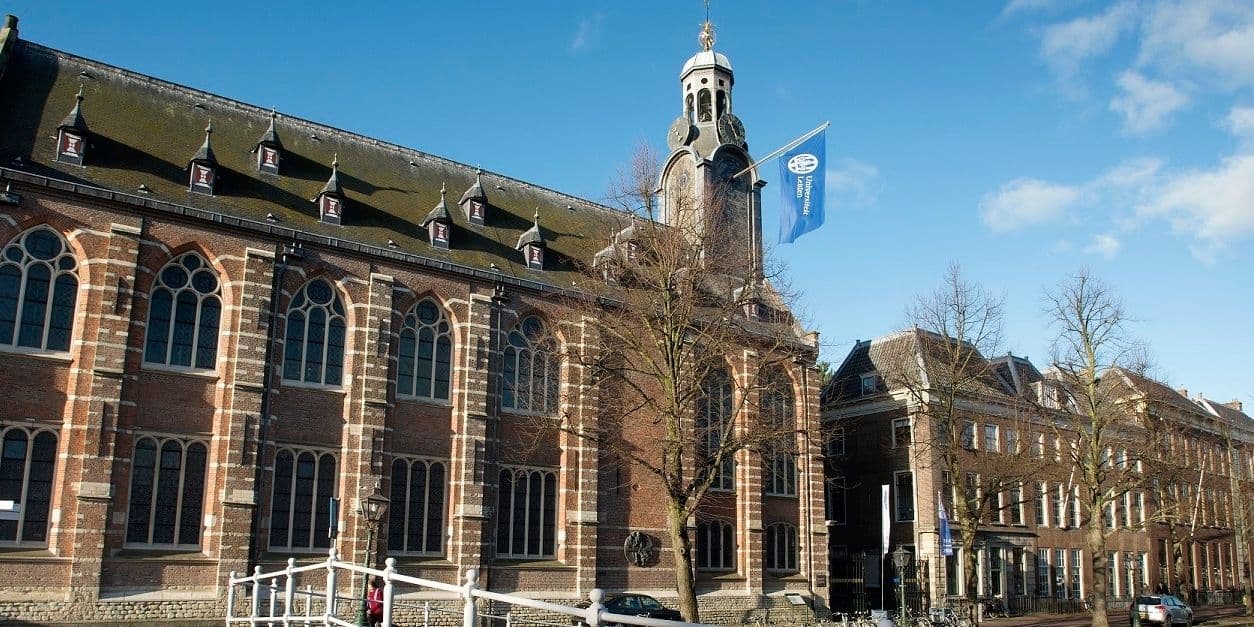
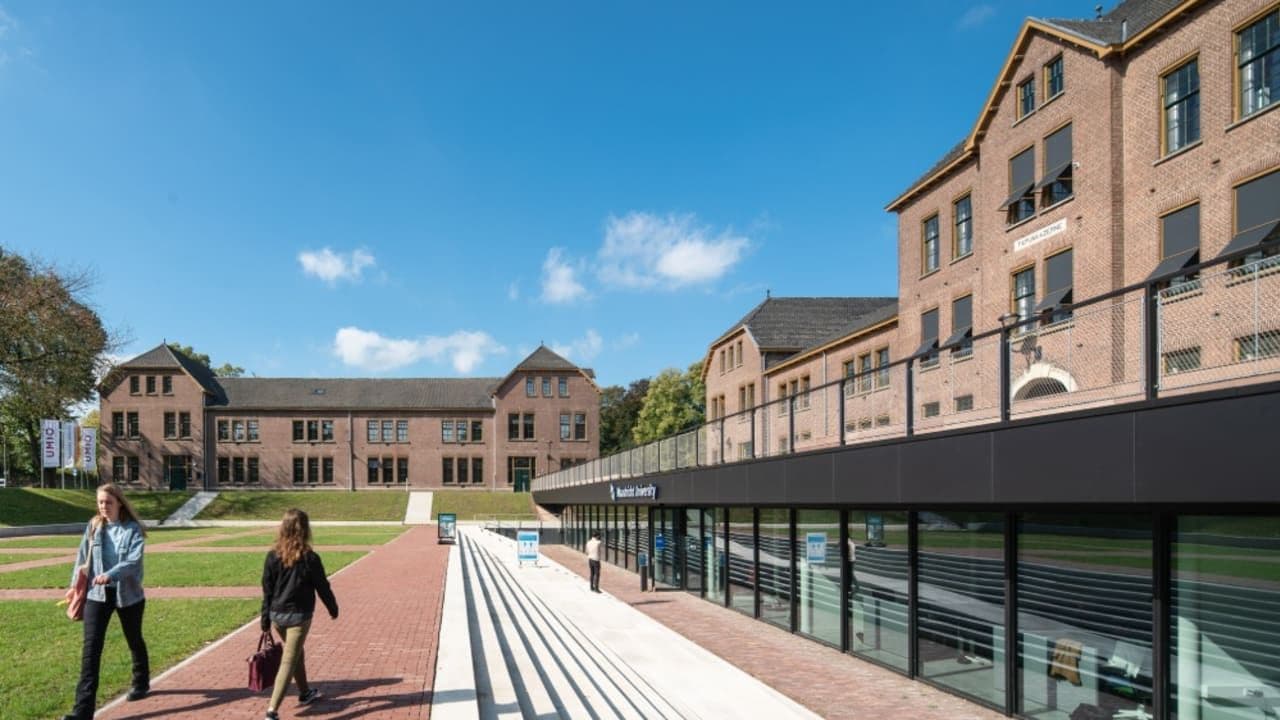
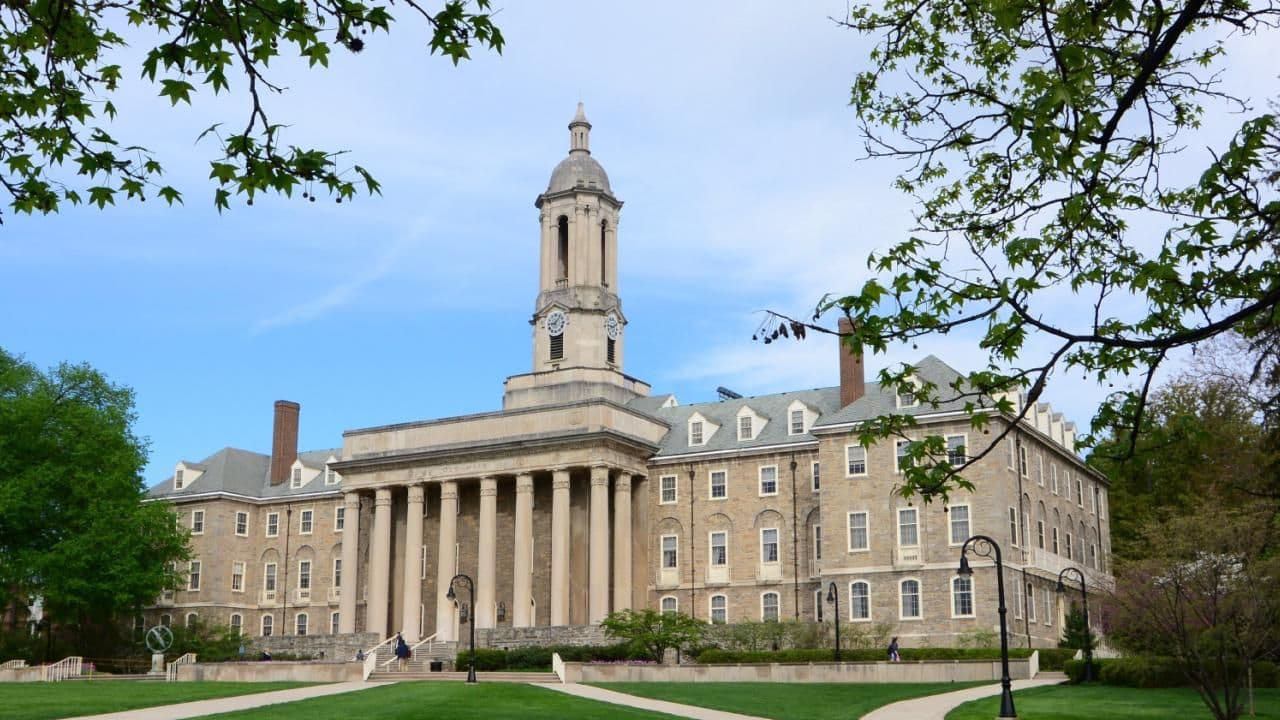
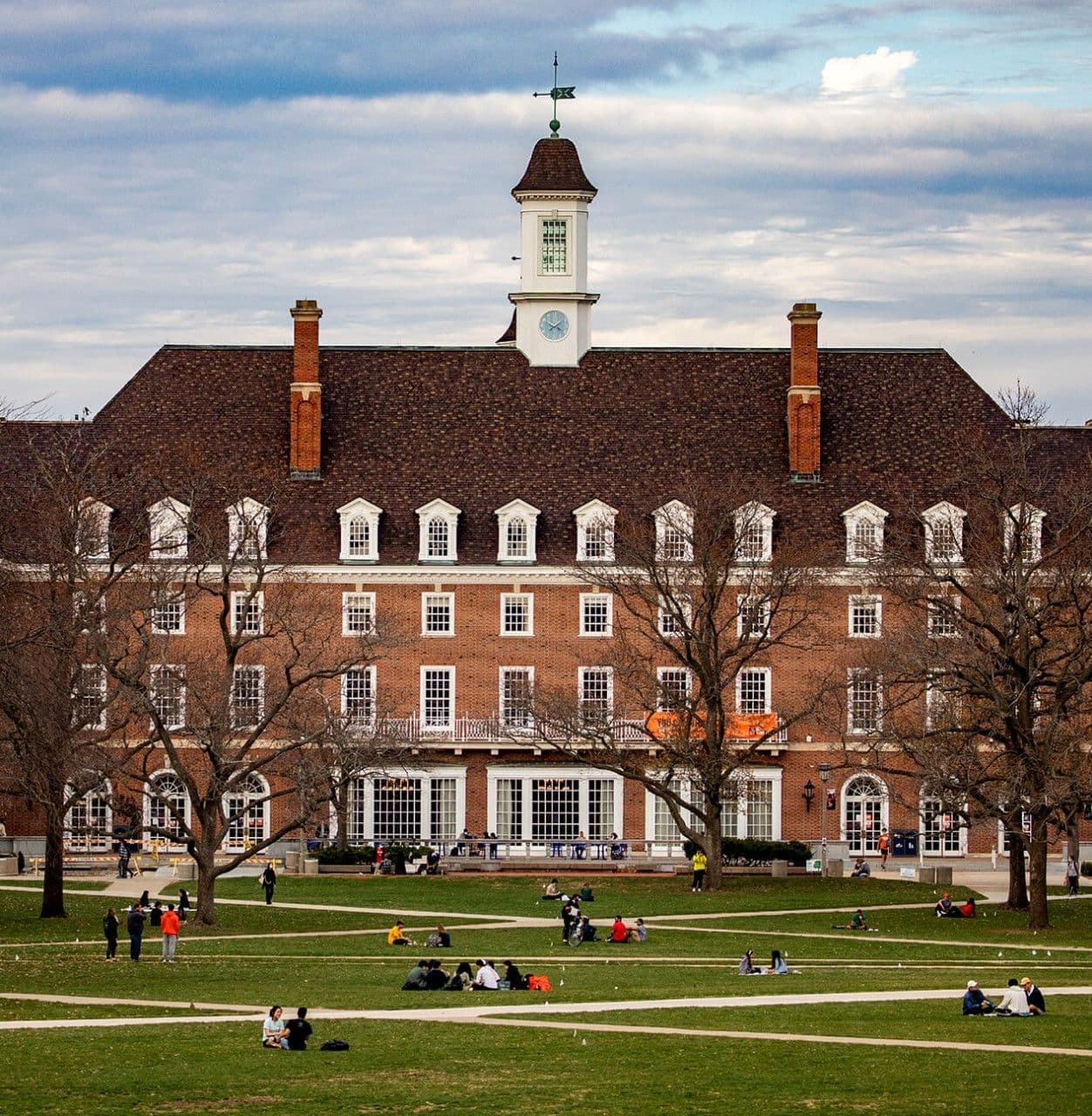
Our psychology listings feature well-regarded universities across several countries. In the UK these include University College London, the University of Edinburgh and the University of Manchester. In the Netherlands, the University of Amsterdam, Leiden University and Maastricht University offer strong English-taught masters. In the United States you will find options such as Pennsylvania State University and the University of Illinois Urbana-Champaign, while the University of Zurich, Lund University and the University of Padua add further choice across Switzerland, Sweden and Italy.
Start with your goal: research, clinical practice or an applied industry role. Then check the specialisation, the language of instruction, entry requirements and whether the degree is recognised where you plan to work. Compare programme length, thesis and placement options, and total cost including living expenses. Using the filters on Stuudy, you can narrow all 289 programmes by country, university and fees to build a realistic shortlist.
How long does a master's in psychology take? Usually one year in the UK and Ireland and one to two years elsewhere in Europe and the US, depending on whether it is a taught or research master.
Do I need a psychology bachelor's to apply? Many specialised masters require a psychology background, but some conversion and interdisciplinary programmes accept graduates from related fields. Check each programme's entry requirements.
Can I become a licensed psychologist with a master's? A master's is often one step towards licensure, but professional registration is regulated separately in each country and may require further supervised practice or doctoral study.
Which countries have the most programmes? In our data the United Kingdom, the Netherlands and the United States offer the widest choice, with additional options in Germany, Sweden, Italy and beyond.
Bachelor of Science · Full-time · On Campus
University College London (UCL)
London, United Kingdom
Bachelor of Arts · Full-time · On Campus
.png&w=1920&q=75)
University of Edinburgh
Edinburgh, United Kingdom
Bachelor of Science · Full-time · On Campus

University of Amsterdam (UvA)
Amsterdam, Netherlands
Bachelor of Science · Full-time · On Campus
Leiden University
Leiden, Netherlands
Studying Psychology is more than exploring theories — it’s about understanding the human mind and behaviour in ways that improve lives and communities. By choosing the right programme, you’ll gain knowledge of cognitive processes, emotional health, and social interaction, alongside practical skills in counselling, research, and problem-solving.
Whether you aim to work in clinical settings, support organisations through HR and workplace psychology, or contribute to cutting-edge research in neuroscience and behavioural science, a degree in Psychology prepares you for a meaningful and versatile career. 🌍🧠

.webp&w=3840&q=75)
.webp&w=3840&q=75)