Bachelor of Science · Full-time · On Campus

London School of Economics and Political Science (LSE)
London, United Kingdom





A masters in sociology gives you the theory, research skills and evidence base to make sense of how societies work — and how they change. Across our catalogue there are 280 sociology programmes at 74 universities in 9 countries, spanning classic single-subject degrees and applied specialisms such as social research, criminology, ageing and social change, computational social science and human rights. This guide explains what the subject covers, where you can study it, what it costs and where it can lead.
Sociology is the study of social life at every scale: face-to-face interaction, the institutions that organise daily life, and the large structures — class, gender, race, migration and globalisation — that shape opportunity across whole populations. Rather than treating outcomes as purely individual, sociologists ask how families, schools, workplaces, markets and states pattern the choices people can realistically make. It is an evidence-driven discipline in which claims are tested against data, which is why a graduate degree places so much weight on research design and method.
Most master's programmes are built around three pillars. The first is social theory — the classical foundations of Marx, Weber and Durkheim alongside contemporary debates on power, identity and social networks that give you a vocabulary for explaining what you observe. The second is research methods: quantitative analysis and statistics, qualitative interviewing and ethnography, and increasingly computational and mixed-methods approaches for working with large digital datasets. The third is substantive specialisation, where you apply both to a field that interests you — inequality and stratification, crime and deviance, health and ageing, work, family, urban life, or race and migration.
Our catalogue reflects this range: you will find taught degrees awarded as an MSc, MA or MRes, alongside research-focused routes such as the MSc by Research for students heading toward a PhD. Most take one to two years full-time and end with a supervised dissertation in which you design and carry out original research.
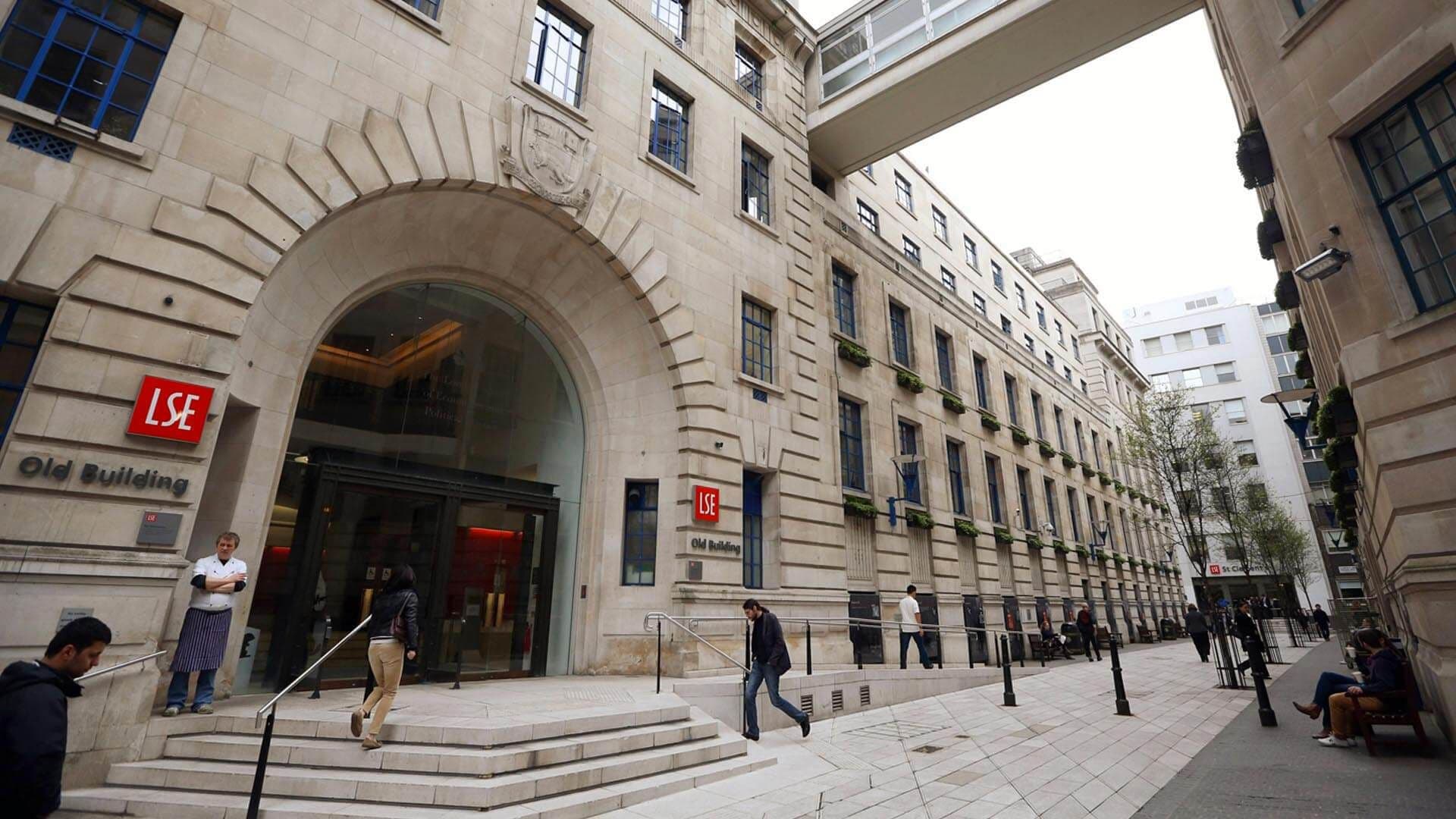
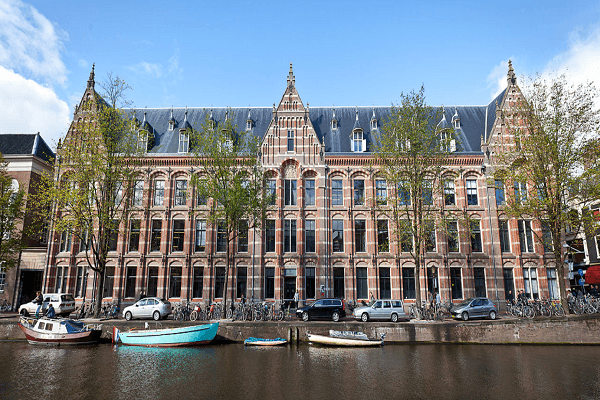
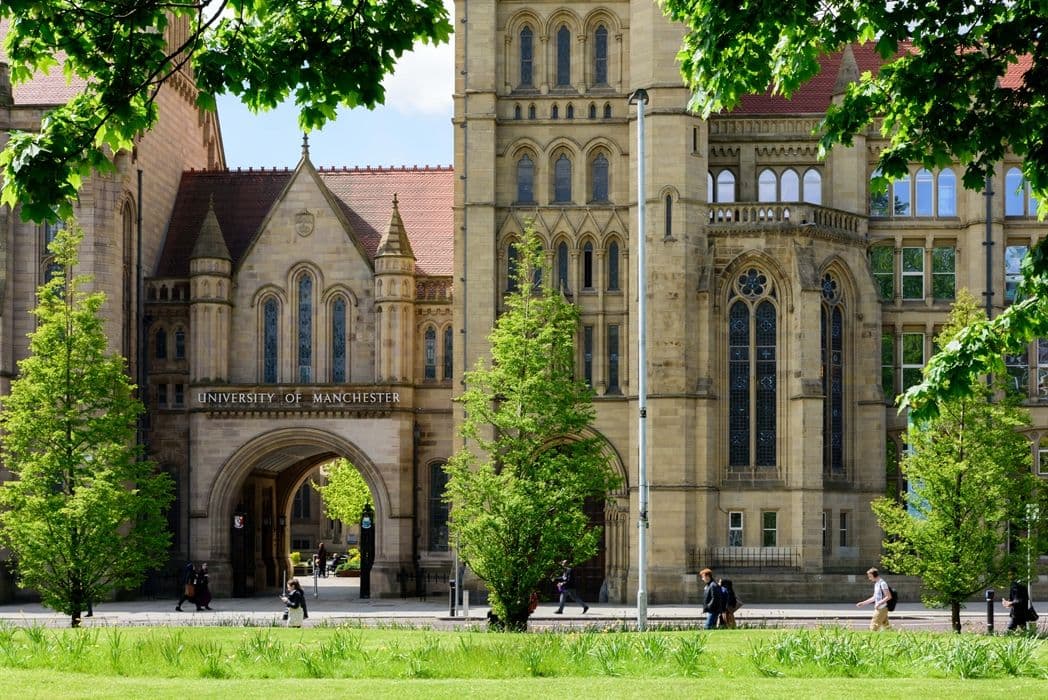
Sociology in our catalogue is concentrated in a handful of strong systems. The United Kingdom offers the most programmes by far, at institutions including the social and political science departments of the University of Manchester, UCL, the University of Edinburgh, the University of Warwick and the London School of Economics. The United States is the next largest destination, with research-intensive departments such as Columbia University and Pennsylvania State University. The Netherlands and Sweden add a strong continental European presence — think the University of Amsterdam, Erasmus University Rotterdam and Stockholm University — while Germany, Switzerland, Italy and France round out the list.
If you want to explore options by destination, browse sociology and related social-science programmes in the United Kingdom, the United States, the Netherlands, Sweden and Germany.
Tuition for a masters in sociology varies more by country than by subject. Public universities in Germany and some other continental European systems charge little or no tuition to eligible students, Nordic universities such as those in Sweden are typically free for EU/EEA students but charge international fees, and private US programmes sit at the upper end of the range. Because fees, scholarships and living costs differ so widely, check the exact figure on each programme page and factor in funding: many departments offer studentships, teaching assistantships or scholarships that change the real cost considerably.
A sociology master's is valued for a portfolio of transferable skills — research design, data analysis, clear writing and the ability to interpret social evidence. Graduates move into social and market research, policy analysis, government, charities and NGOs, human resources, journalism and communications, and further academic study; the methods training in particular travels well into data and insight roles. If you are drawn to the applied side, related graduate fields in public policy and public administration build directly on the same evidence-based skill set.
Start with fit between your interests and a department's specialisms: a course strong in quantitative methods and stratification suits a different student than one built around ethnography and cultural sociology. Look closely at the balance of taught methods versus theory, the dissertation and supervision arrangements, entry requirements and any English-language tests, and whether the degree is designed as a route to a PhD or toward professional practice. Then weigh location, total cost and funding. Comparing several programmes side by side on these points is the fastest way to a confident shortlist.
Sociology sits alongside several neighbouring disciplines that share its methods and concerns. If your interests lean toward institutions and power, look at political science; toward culture and human societies, anthropology; toward crime, justice and deviance, criminology; and toward mind and behaviour, psychology. Many students also compare sociology with public policy and public administration when they want to turn social analysis into practical change.
Bachelor of Science · Full-time · On Campus
London School of Economics and Political Science (LSE)
London, United Kingdom
Master of Science · Full-time · On Campus

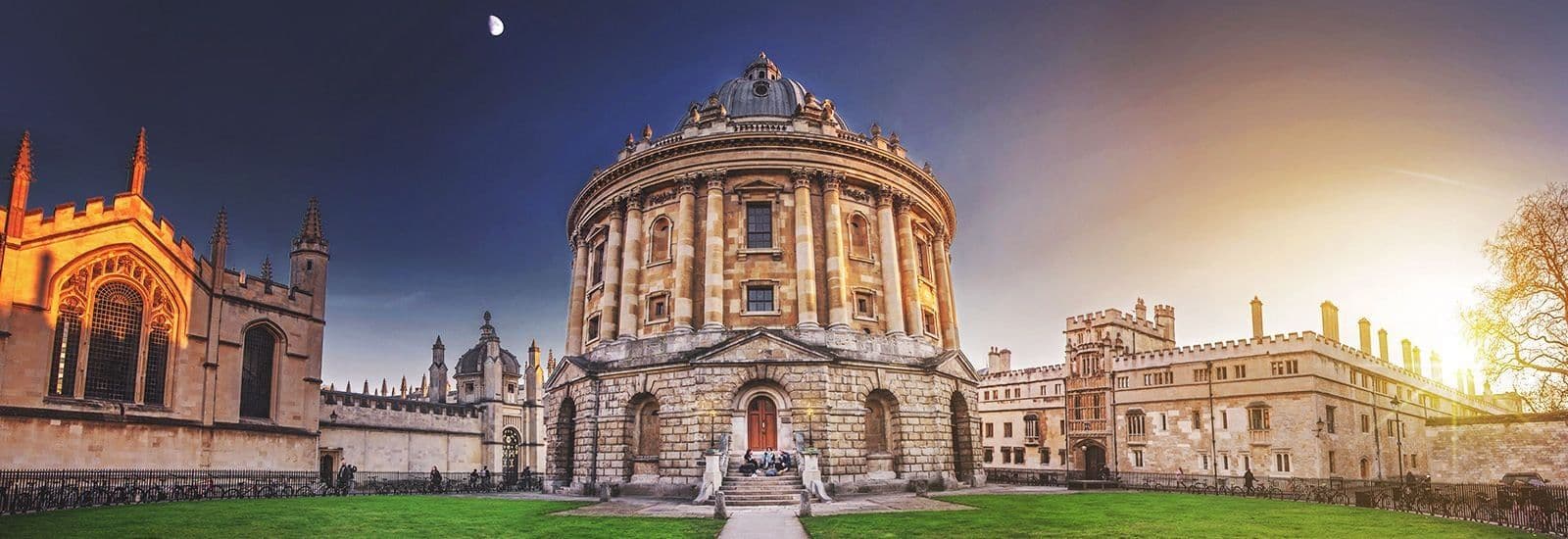
University of Oxford
Oxford, United Kingdom
S. Master · Part-time · On Campus

University of Cambridge
Cambridge, United Kingdom
S. Bachelor · Full-time · On Campus
Columbia University
New York, United States
Studying Sociology is more than learning about society — it’s about understanding the forces that shape human behaviour, culture, and institutions. By choosing the right programme and institution, you’ll gain analytical skills, research expertise, and cultural awareness to explore how communities function and how social change happens. Whether you aim to work in public policy, social research, education, or international organisations, sociology opens doors to careers that make a lasting impact on society. 🌍📊

.webp&w=1920&q=75)

.webp&w=3840&q=75)
.webp&w=3840&q=75)
.webp&w=3840&q=75)