Bachelor of Science · Full-time · On Campus

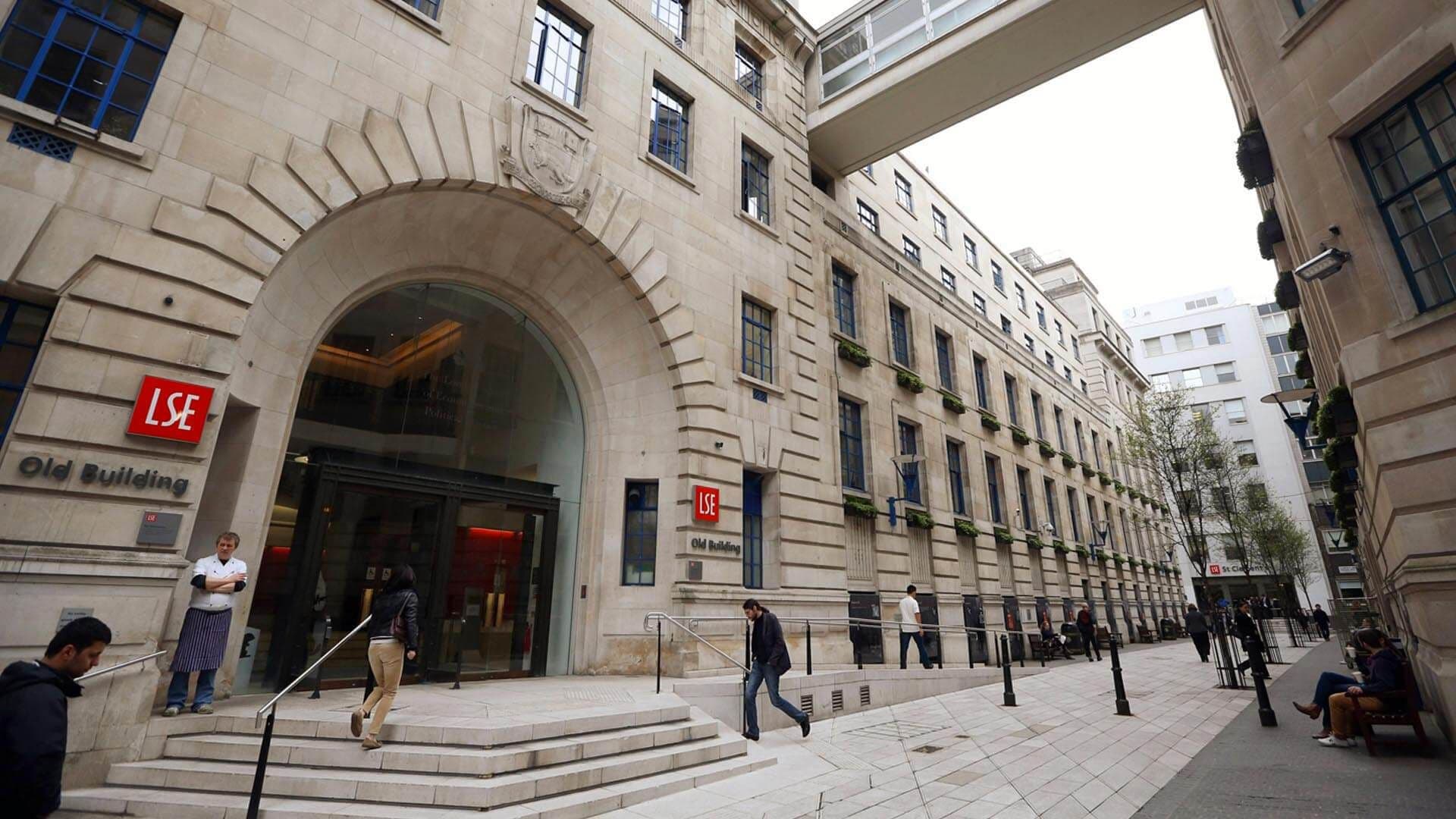
London School of Economics and Political Science (LSE)
London, United Kingdom


Political science is the systematic study of power: how it is won, exercised, contested and constrained. It asks why some countries hold free and fair elections while others slide into authoritarianism, how public opinion shapes policy, why conflicts begin and end, and what makes a political order legitimate. As a graduate subject it sits at the crossroads of philosophy, economics, law, history and data analysis, and rewards students who enjoy both close argument and hard evidence. Choosing a masters in political science is less about memorising institutions than about learning to explain political behaviour and to test competing explanations against real-world data.
Most graduate programmes are built around four pillars. Comparative politics examines how political systems differ from one country to the next, from party systems and electoral rules to democratisation and the roots of populism. International relations turns to the world stage, covering security, diplomacy, international organisations and global political economy. Political theory traces the ideas behind concepts such as justice, liberty, representation and the state, from classical thinkers to present-day debates over democracy and rights. Political methodology equips you with the quantitative and qualitative tools — statistics and causal inference, formal modelling, interviewing and case-study design — that separate rigorous analysis from opinion.
The programmes listed here show how far that breadth stretches in practice. Alongside broad political science and politics degrees, you will find focused specialisms such as conflict studies and comparative politics at the LSE, migration and society at UCL, comparative Middle East politics, geopolitics and connectivity in the Netherlands, and even political analytics, which fuses the discipline with modern data science.
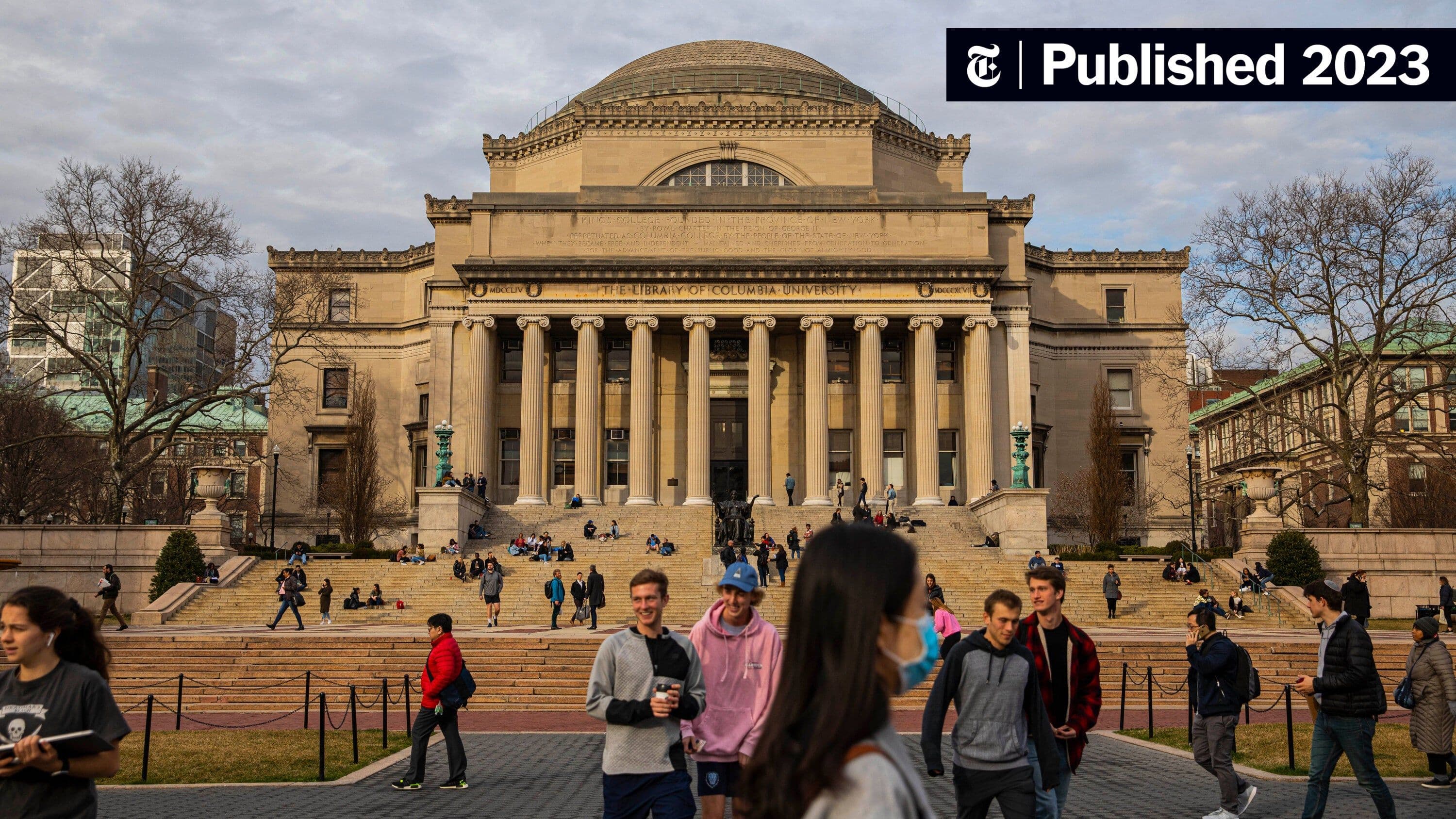
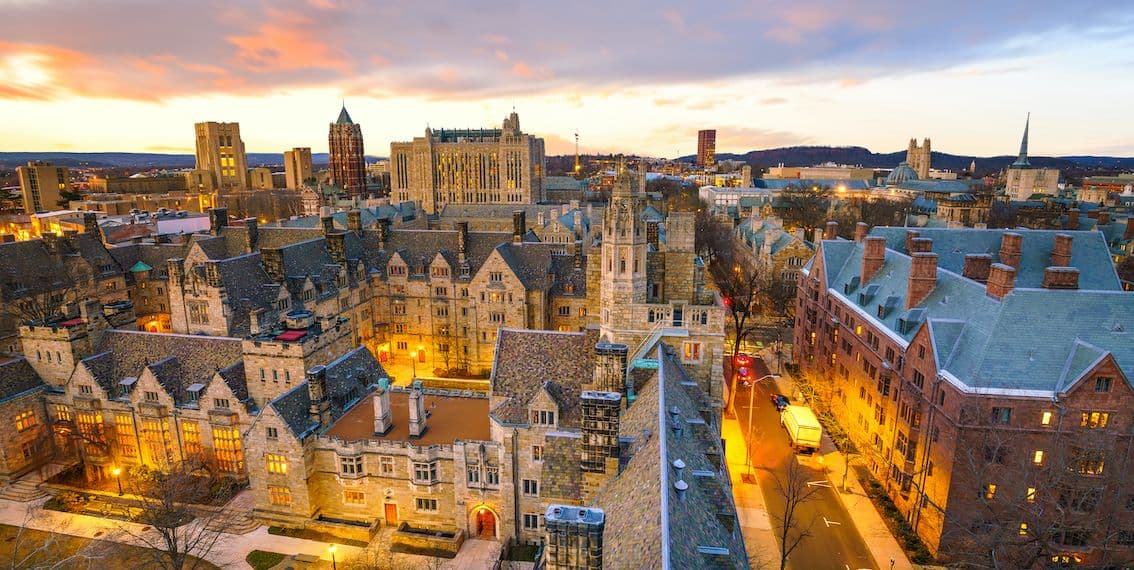
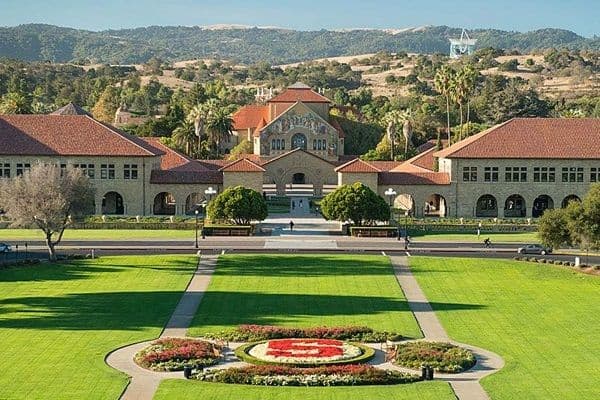
We currently list 114 political science programmes at 60 universities across 10 countries, so you can compare very different academic cultures side by side. The United States (43 programmes) and the United Kingdom (37) dominate the catalogue, but continental Europe is well represented, led by the Netherlands (12 programmes), Sweden (7) and Germany (5), with further options in Switzerland, France, Spain, Poland and Turkey. Flagship departments include the LSE and UCL in London, Sciences Po in Paris, and Columbia, Yale and Stanford in the United States — the kind of research-intensive faculties where the theories you read were often written.
Because these programmes span very different funding systems, annual tuition varies enormously — and the figures below are in each country's own currency, so always confirm the exact cost and any scholarships on the individual programme page. Public universities in Germany and Turkey charge little or nothing beyond administrative fees, and Switzerland's public institutions are strikingly affordable at roughly 1,800 to 2,600 a year. Nordic and Dutch universities occupy the middle ground, with several Swedish and Dutch programmes falling between about 9,000 and 28,000 annually. At the top end sit British and American universities: UK master's fees for international students typically run into the mid-thirty-thousands, while private US departments are the most expensive of all, with some listed above 70,000 per year. In short, an excellent political science education is available at almost every price point.
A political science degree is deliberately broad, and its graduates rarely follow a single path. The analytical, writing and research skills you develop transfer directly into government and the civil service, diplomacy and international organisations, political risk and consultancy, policy think-tanks and NGOs, journalism, campaigning and public affairs. Programmes with a strong quantitative or data component open doors in polling, market research and data analysis, while a research-focused master's is also the natural stepping stone toward a PhD and an academic career. Employers value the ability to weigh evidence, understand institutions and communicate a clear argument under pressure — skills that stay relevant whatever the political weather.
Start with the questions that genuinely interest you: are you drawn to comparing countries, to the theory of the state, to war and diplomacy, or to the numbers behind elections? Then look past the department name to the actual module list, the methods training on offer, and the research interests of the staff who would supervise you. Weigh practical factors too — length and structure, whether teaching is quantitative or qualitative, the cost of living in the city, language of instruction, and how easily the degree lets you take a placement or study abroad. It is worth applying to a small spread of programmes at different price points rather than fixating on a single name.
Political science overlaps heavily with neighbouring fields, and it is often worth comparing them before you commit. If global affairs and diplomacy appeal most, look at International Relations. For students focused on designing and evaluating real-world policy, Public Policy and Public Administration are closely related routes. Economics shares much of the quantitative toolkit and pairs naturally with political economy, while Sociology offers a complementary lens on power, institutions and social change.
Bachelor of Science · Full-time · On Campus
London School of Economics and Political Science (LSE)
London, United Kingdom
S. Master · Full-time · On Campus

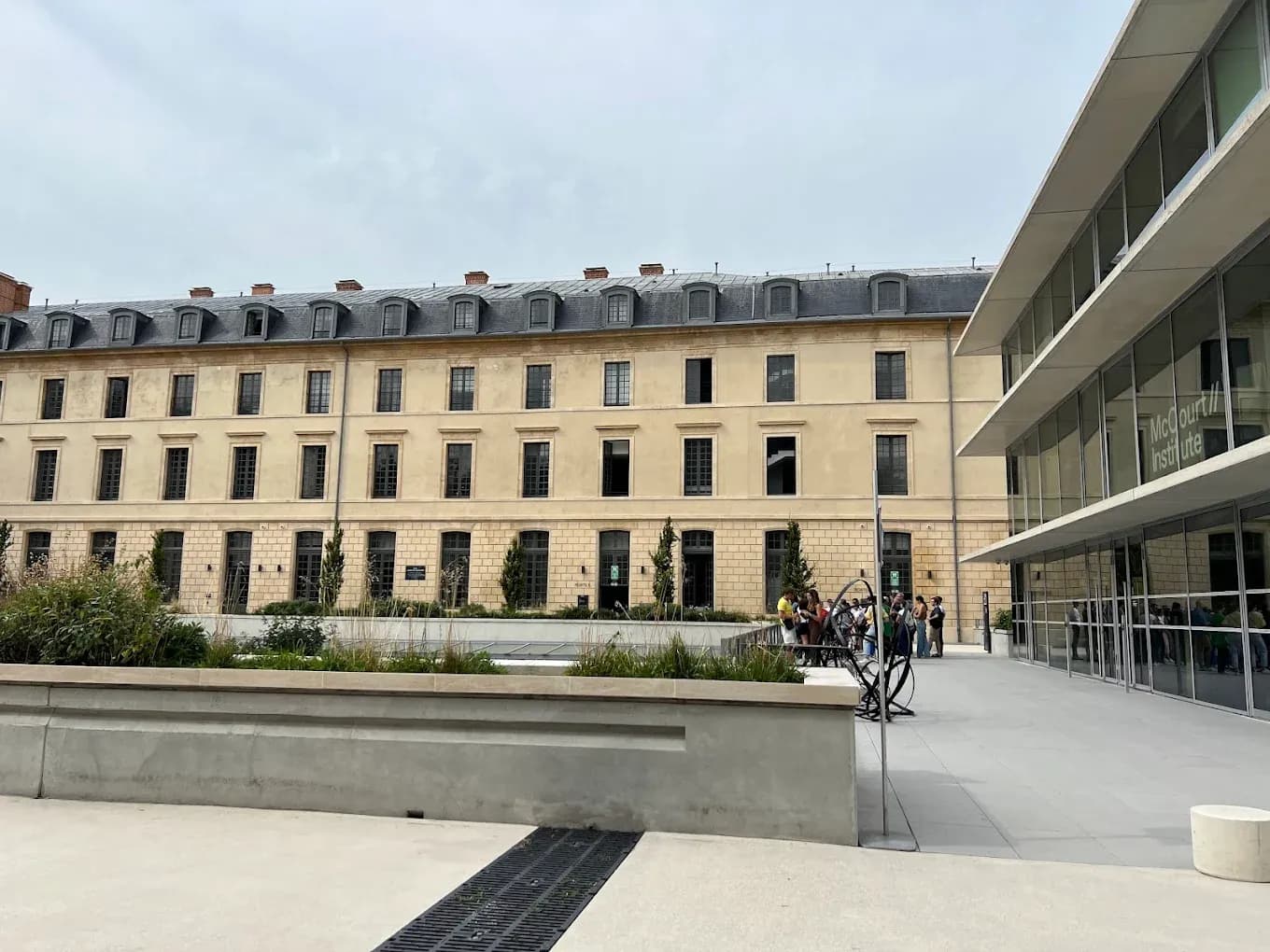
Sciences Po
Paris, France
Master of Science · Full-time · On Campus

University College London (UCL)
London, United Kingdom
S. Bachelor · Full-time · On Campus
Columbia University
New York, United States

.webp&w=3840&q=75)