Bachelor and Master of Mathematics and Philosophy · Full-time · On Campus
University of Cambridge
Cambridge, United Kingdom

A masters in biology lets you move from the broad undergraduate view of living systems into focused, research-led study of the topics that matter to you, from molecular and cell biology to ecology, genetics and marine science. On Stuudy we currently list 498 master's programmes in biology at 120 universities across 12 countries, so this guide explains what these degrees cover, where you can study, what they cost and where they lead.
Most biology master's programmes run for one to two years and combine advanced taught modules with a substantial research project or thesis. Depending on the university you might spend time on laboratory techniques, fieldwork, bioinformatics and data analysis, or a mix of all of these. Programmes are offered under several degree types, including MSc, MRes and MPhil, as well as integrated master's routes at UK universities. Research-heavy options such as an MRes or a two-year European master's give you more time at the bench or in the field, while taught MSc degrees pack in structured coursework alongside a shorter project.
Entry usually requires a bachelor's degree in biology or a closely related life science, and many programmes ask for a background in areas such as genetics, chemistry or statistics. If your interests sit at the edge of the subject, compare biology with neighbouring fields such as biochemistry, genetics and biotechnology before you apply.
Studying biology abroad gives you access to specialist labs, field stations and research groups that may not exist at home, plus an international network early in your career. The programmes on Stuudy span very different systems, from large US research universities and UK integrated master's to tuition-light public universities in Germany and English-taught research master's across the Netherlands, Sweden and Switzerland, so you can match a degree to your budget, teaching style and chosen specialisation.
Biology is a broad discipline, and the master's programmes in our database reflect that. Common specialisations include:
Many programmes let you tailor a general biology degree through elective tracks, so read the module lists carefully rather than relying on the title alone.
A biology master's opens routes into academic and industrial research, biotechnology and pharmaceuticals, healthcare and diagnostics, environmental consultancy, conservation and science policy. Graduates work as research scientists, laboratory and bioinformatics specialists, ecologists and regulatory professionals, and the degree is also a common stepping stone to a PhD. If you are drawn to the clinical or population side of the subject, related routes in medicine, public health and health sciences are worth comparing alongside pure biology.
Tuition for the biology programmes on Stuudy varies enormously by country and institution. At the lower end, several public universities in Germany, such as the University of Göttingen and Kiel University, charge no tuition fees, and public universities in France cost only a few hundred euros per year. In the middle, English-taught research master's in the Netherlands, Sweden and Switzerland typically run from roughly €1,800 to €30,000 per year. At the upper end, leading US universities and some UK programmes reach €66,000 or more per year, up to around €81,000 at the most expensive US options. Across all listed programmes the median annual tuition is close to €40,000, so budget is a genuine factor when you shortlist. Remember to add living costs, which differ widely between, say, a German university town and central London or the US.
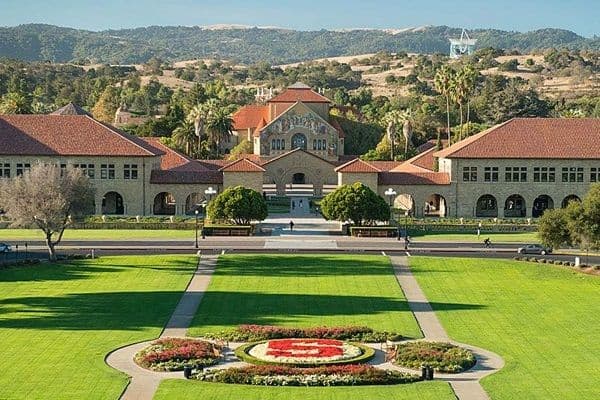
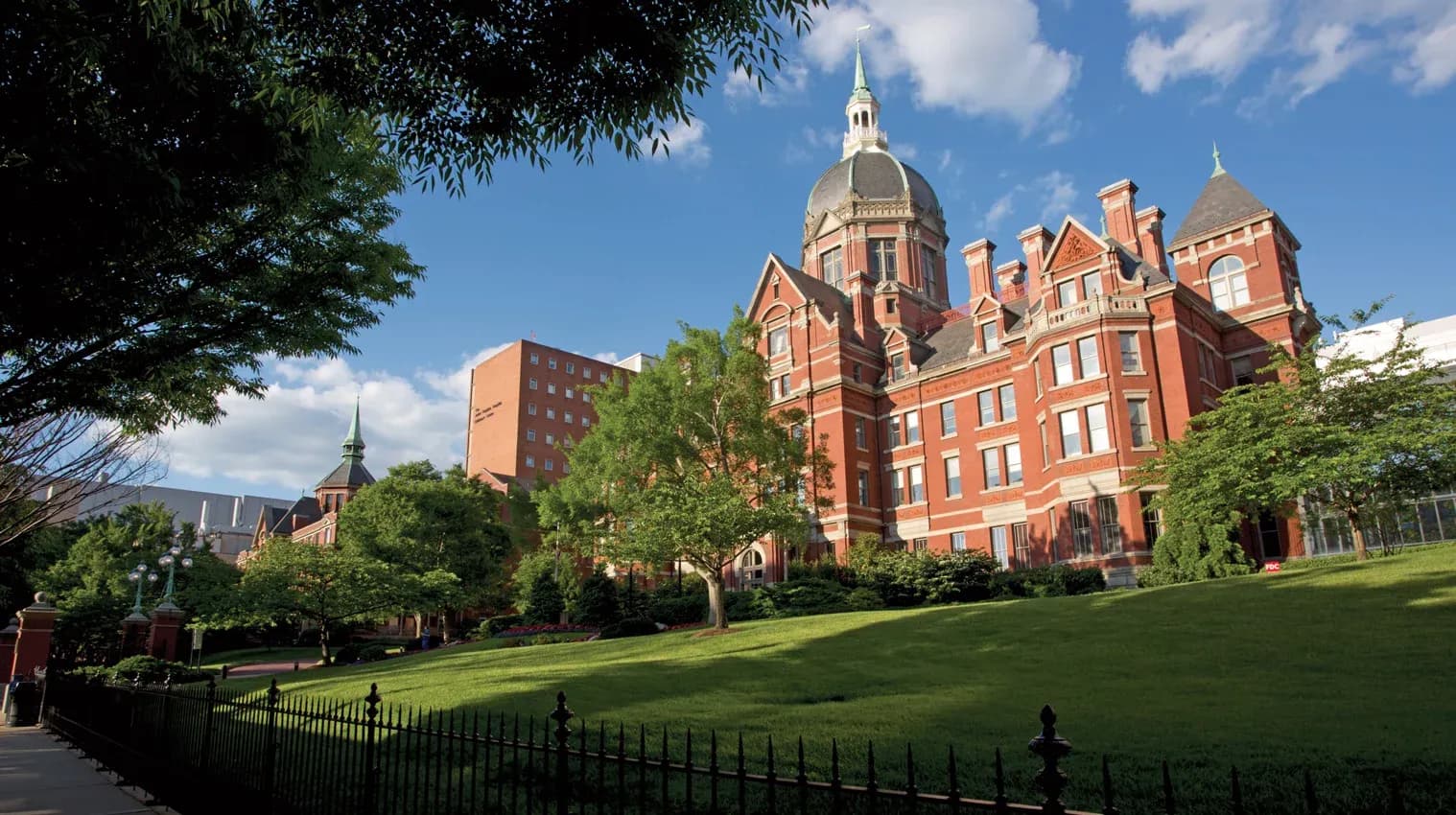
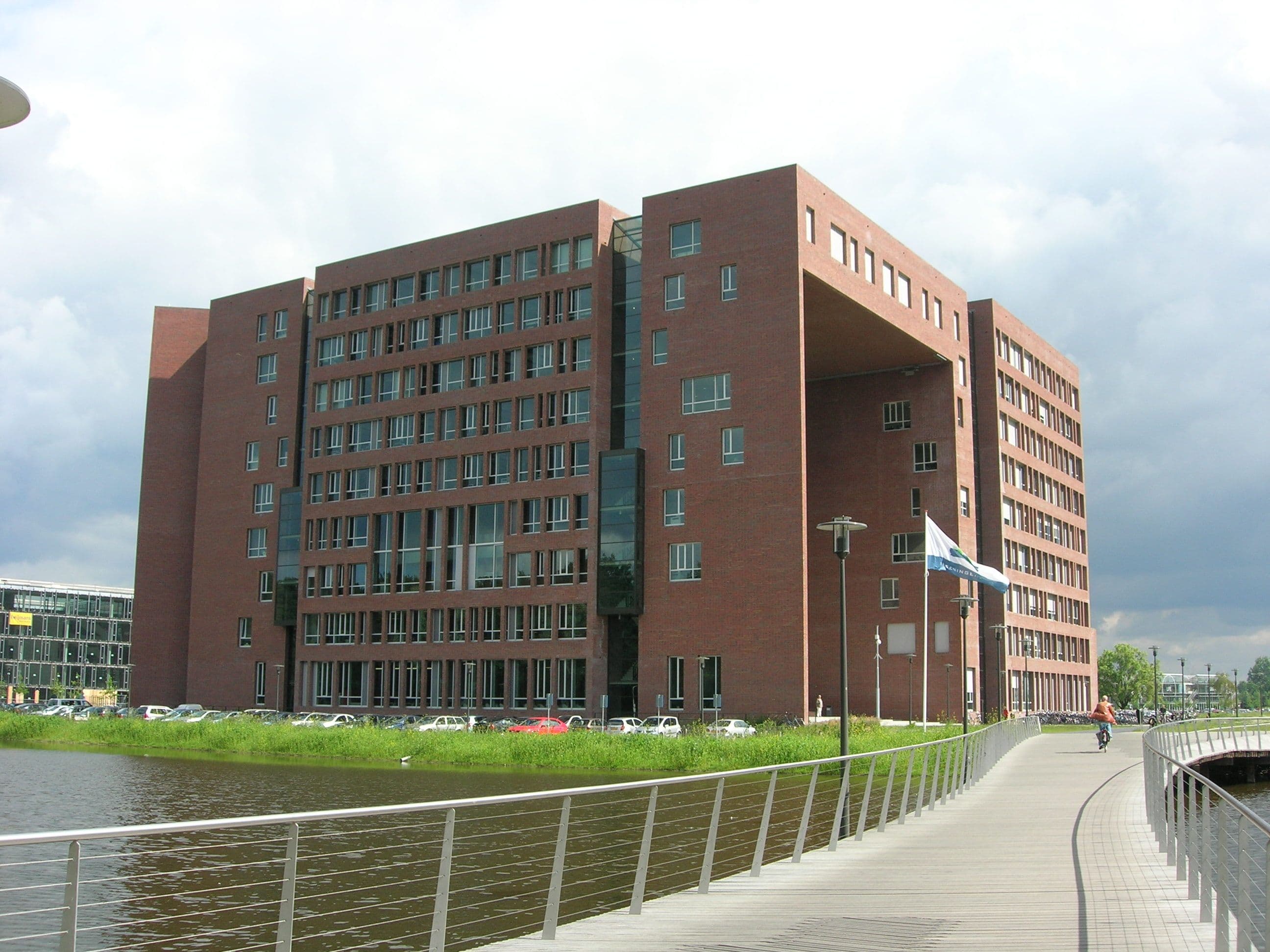
The largest concentrations of biology master's on Stuudy are in the United Kingdom (175 programmes) and the United States (136), followed by the Netherlands and Germany (36 each), Sweden (30) and Switzerland (28), with further options in France, Italy, Belgium, Spain, Turkey and Finland. Well-known research universities in the database include Cambridge, Imperial College London and Edinburgh in the UK; Stanford and Johns Hopkins in the US; ETH Zurich; the Karolinska Institute; Wageningen University & Research; LMU Munich; and KU Leuven. This spread lets you weigh reputation, specialisation and cost together.
Start from the specialisation you want and work outward. Check that the module list and research groups match your interests, then weigh the balance of taught content and project time, the degree type and length, entry requirements and language of teaching. Set total tuition against living costs in that country, and consider lab access, field opportunities and links to industry or hospitals. Comparing programmes side by side, including in neighbouring subjects like chemistry and life sciences, shows where a given degree genuinely stands out.
How long is a master's in biology? Most take one to two years full time; taught MSc degrees are often one year, while research-focused and continental European master's usually run for two.
Do I need a biology degree to apply? Usually you need a bachelor's in biology or a related life science, and some specialisations expect specific prior modules such as genetics, statistics or chemistry.
Can I study biology in English? Yes. Alongside the UK and US, many programmes across the Netherlands, Sweden, Switzerland and Germany are taught entirely in English.
Bachelor and Master of Mathematics and Philosophy · Full-time · On Campus
University of Cambridge
Cambridge, United Kingdom
Master of Research · Full-time · On Campus

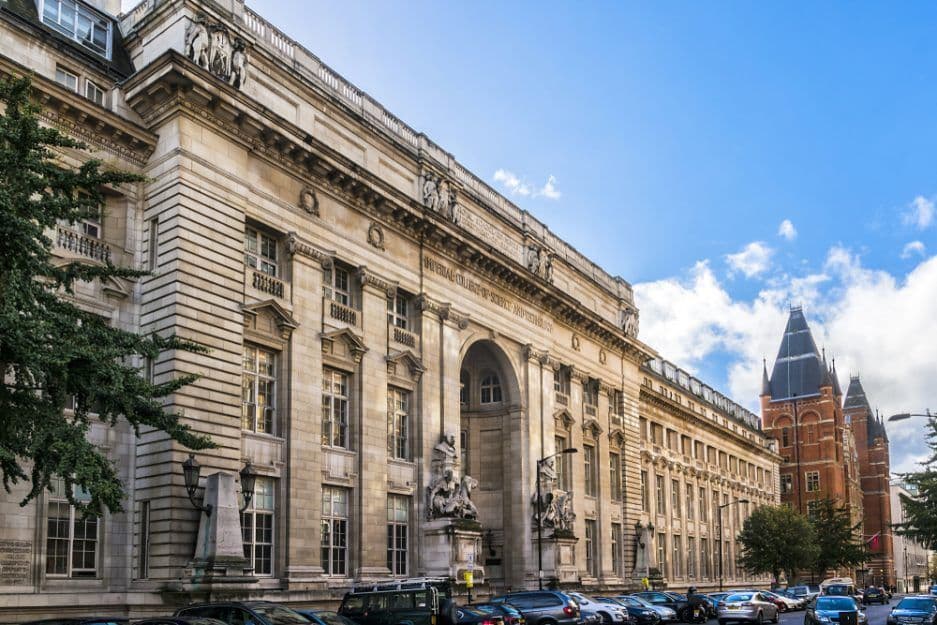
Imperial College London
London, United Kingdom
Bachelor of Science · Full-time · On Campus
.png&w=1920&q=75)
University of Edinburgh
Edinburgh, United Kingdom
Bachelor of Science · Full-time · On Campus

Stanford University
Stanford, United States

.webp&w=1920&q=75)
.webp&w=3840&q=75)