S. Bachelor · Full-time · On Campus

Johns Hopkins University
Baltimore, United States
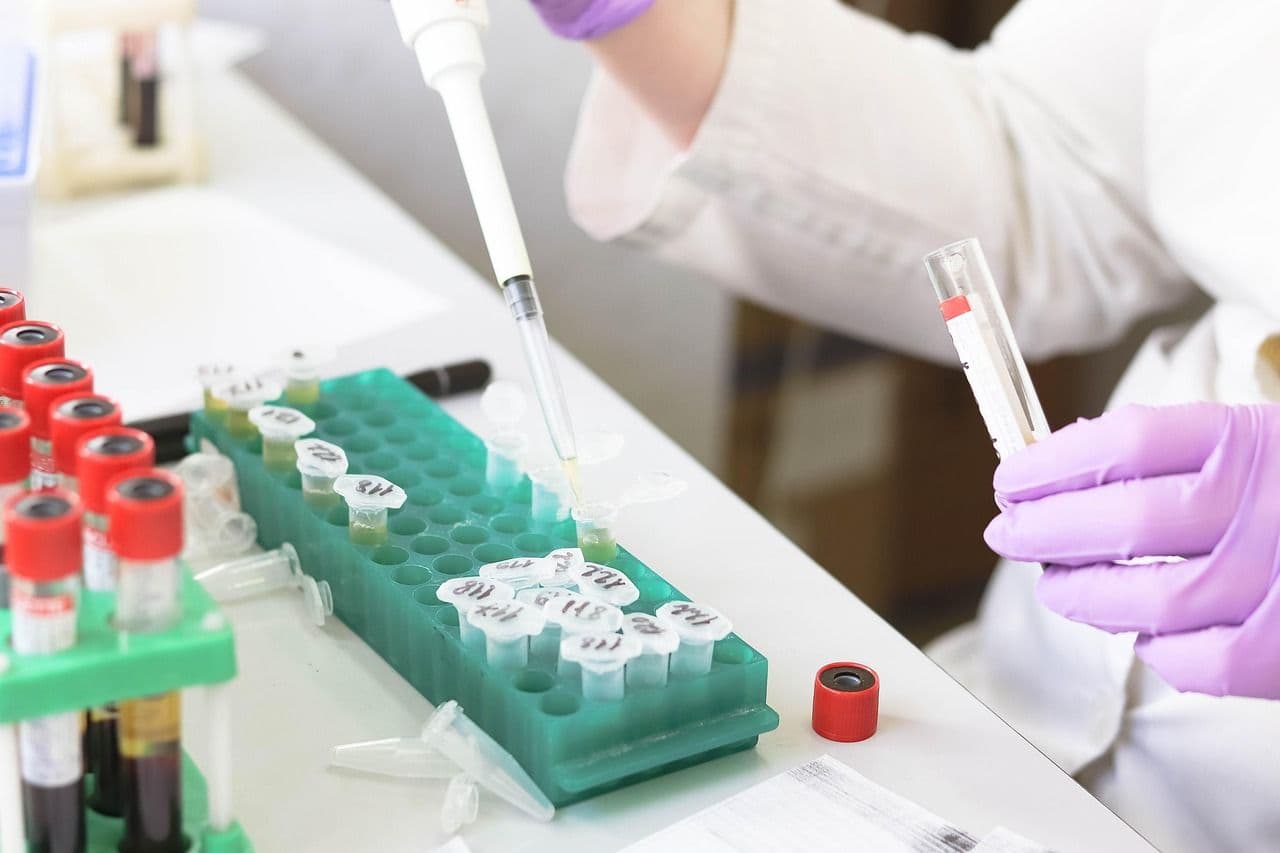




A masters in medicine is not a single course but a family of postgraduate qualifications for people who want to go deeper into the science, practice or management of human health. On Stuudy we currently list 180 medicine programmes at 65 universities across 10 countries, and the mix reflects how varied this field has become. Some are the long, entry-to-profession degrees that lead to a medical licence; far more are specialised master's-level courses that let you concentrate on one clinical area, build research skills, or move into public health, biomedical science or health leadership. Whether you already hold a medical degree or come from a related science background, there is likely a route here that fits.
Most of the programmes in this discipline sit at postgraduate level, and the single most common award is the Master of Science (MSc): 103 of the 180 listed courses lead to an MSc. Alongside these you will find research-focused degrees such as the Master of Research and the MSc by Research, professional entry qualifications including the Doctor of Medicine (MD) and the Bachelor of Medicine, Bachelor of Surgery (MBBS), plus shorter Postgraduate Certificates and Diplomas and specialist awards such as the Master of Clinical Dentistry. The practical takeaway is that "medicine" here spans everything from broad clinical training to tightly focused academic study, so it pays to read each course description closely rather than assume they are interchangeable.
It helps to group these courses into three broad types. Clinical and professional degrees (MBBS, MD and their equivalents) prepare you to practise as a doctor and combine lecture-based science with supervised patient contact. Biomedical and laboratory master's concentrate on the science underpinning disease and treatment, from molecular biology and pharmacology to genetics, and suit graduates aiming at research or industry. Specialised and applied master's let clinicians and scientists focus on a defined area such as infectious diseases, sports and exercise medicine, clinical investigation, or the ethics and humanities of healthcare. Many students choose this third group to add a credential on top of an existing qualification.
Content varies enormously with the type of course, but a few themes recur. Research methods, statistics and how to read the medical literature critically appear in almost every master's, because employers and doctoral programmes value people who can evaluate evidence. Clinical courses add anatomy, physiology, pathology and structured placements; biomedical courses lean towards laboratory technique and data analysis; applied courses build in project work tied to a real health problem. A supervised dissertation or research project is usually the capstone, and for many students it becomes the springboard into a PhD or a first specialist role.
The listings are led by the United Kingdom, which accounts for 104 of the 180 programmes, followed by the United States with 29 and the Netherlands with 14. Continental Europe is well represented too, with courses in Spain, Italy, Sweden and Germany, and further options in Turkey, Poland and Switzerland. The United Kingdom hub is the natural starting point given its depth of provision, but the geographic spread matters: teaching language, tuition, length and how a degree is recognised for professional practice all change from country to country.
Cost is one of the biggest variables in this discipline, so treat any single figure with caution. Among the 170 listed programmes that publish a fee, the spread is very wide: publicly funded universities in parts of continental Europe charge only a few hundred euros a year, while the most specialised or clinical master's in the UK and US run past £90,000 in total. The median priced programme sits around £40,000, with most master's clustering roughly between £18,000 and £51,000. Because these figures cover courses of different lengths and levels, always confirm the annual fee, the number of years, and what living costs to expect in the city where you would study before comparing options.
Where a medicine master's leads depends heavily on which type you take. A clinical or professional degree is the route towards licensed practice as a doctor, subject to the registration rules of the country you intend to work in. A research or biomedical master's opens doors in laboratories, pharmaceutical and biotech companies, clinical trials and academic PhD study. Specialised master's often help practising clinicians move into a sub-specialty, education, or health management. Across all of these, the analytical and research training built into a master's is what employers and doctoral admissions tutors tend to reward.
Start from your goal rather than the course title. If you want to practise medicine, check first whether a degree is recognised for licensing where you plan to work, because a master's is not always a licence to practise. If your aim is research or a career change into the health sciences, prioritise the research methods, project and supervision on offer. Then weigh the practical factors: entry requirements and prerequisite degrees, teaching language, total cost and length, and whether the course includes placements or laboratory time. Reading two or three course pages side by side quickly reveals how different programmes with similar names really are.
Medicine overlaps with several neighbouring fields, and it is worth comparing them before you commit. If population-level health and policy appeal to you more than individual patient care, explore Public Health or Epidemiology. For hands-on clinical care and patient-centred practice, look at Nursing, and for the broader science of the human body and healthcare systems, see Health Sciences. Comparing a masters in medicine against these related routes is one of the simplest ways to make sure you apply to the field that genuinely matches your ambitions.
S. Bachelor · Full-time · On Campus
Johns Hopkins University
Baltimore, United States
Master of Science · Full-time · On Campus

Harvard University
Cambridge, United States
Bachelor of Science · Full-time · On Campus

Imperial College London
London, United Kingdom
Bachelor of Science · Full-time · On Campus
.png&w=1920&q=75)
University of Edinburgh
Edinburgh, United Kingdom
Studying Medicine is more than pursuing a degree — it’s embracing a lifelong commitment to improving human health and saving lives. By choosing the right medical school and specialisation, you’ll gain world-class scientific knowledge, clinical training, and the compassion needed to thrive in one of the most respected professions.
Whether your ambition is to become a physician, surgeon, or researcher, or to contribute to global healthcare innovation, Medicine opens doors to impactful careers that shape the future of humanity. From advancing patient care to pioneering medical breakthroughs, this field offers unmatched opportunities to make a real difference in the world. 🩺🌍✨


.webp&w=3840&q=75)
.webp&w=3840&q=75)