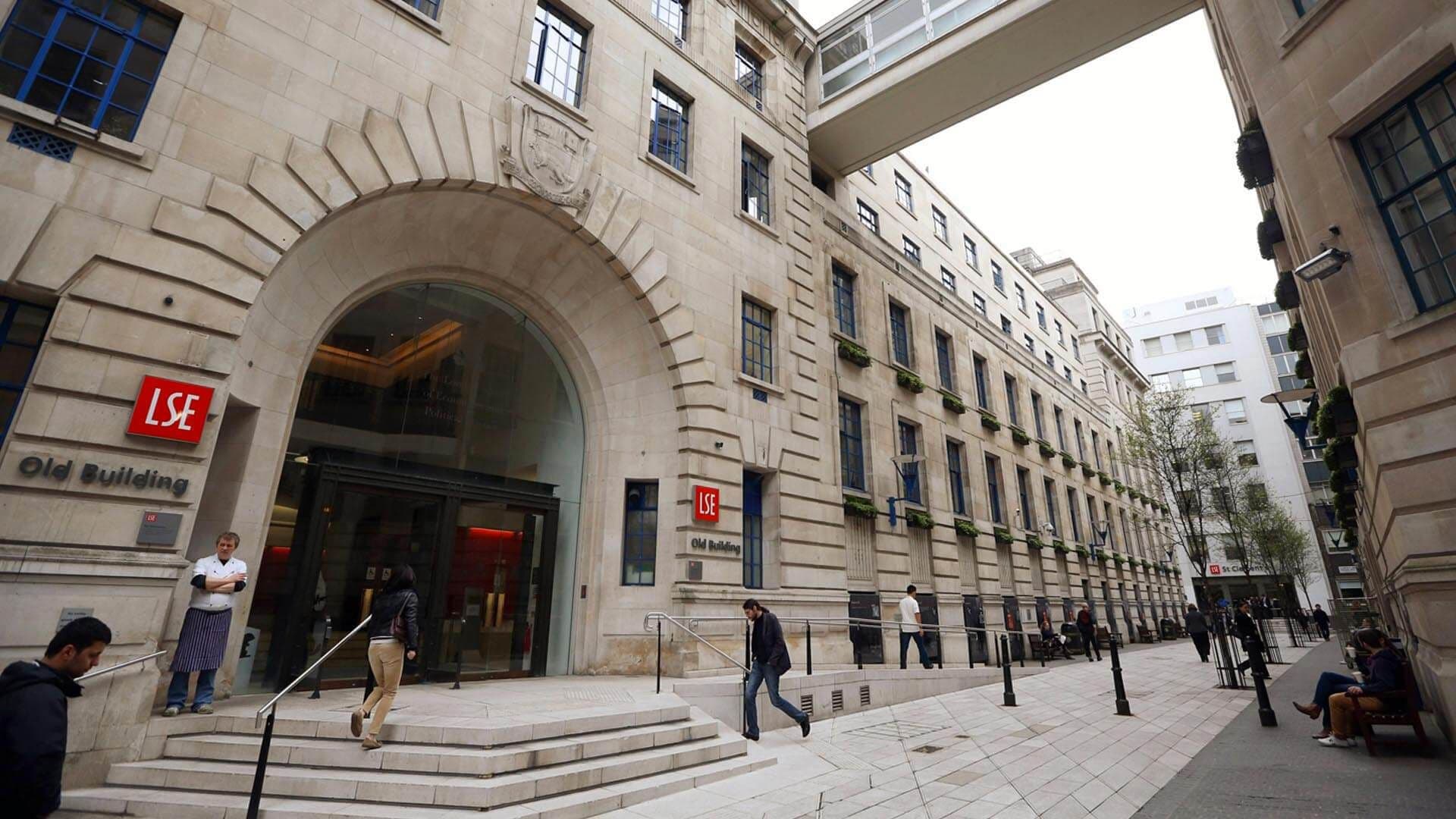
Master of Science · Full-time · On Campus

University of Amsterdam (UvA)
Amsterdam, Netherlands


Econometrics sits where economics, statistics and mathematics meet. It is the craft of measuring economic behaviour rather than only describing it: estimating how far a price change moves demand, testing whether a policy actually raised employment, or forecasting how a financial risk is likely to behave. A masters in econometrics trains you to build these quantitative models, test them against real data, and defend the conclusions they produce. On Stuudy we currently list 20 econometrics programmes at 10 universities across four countries, ranging from three-year bachelor's degrees to specialised research master's.
Where economics explains why markets behave as they do, econometrics measures it. Analysts use statistical tools — regression, time-series analysis and causal inference — to separate genuine relationships from random noise and to produce forecasts that hold up under scrutiny. The subject is deliberately hands-on: you work with messy real-world datasets rather than tidy textbook examples, and you learn to state honestly how confident you can be in any result.
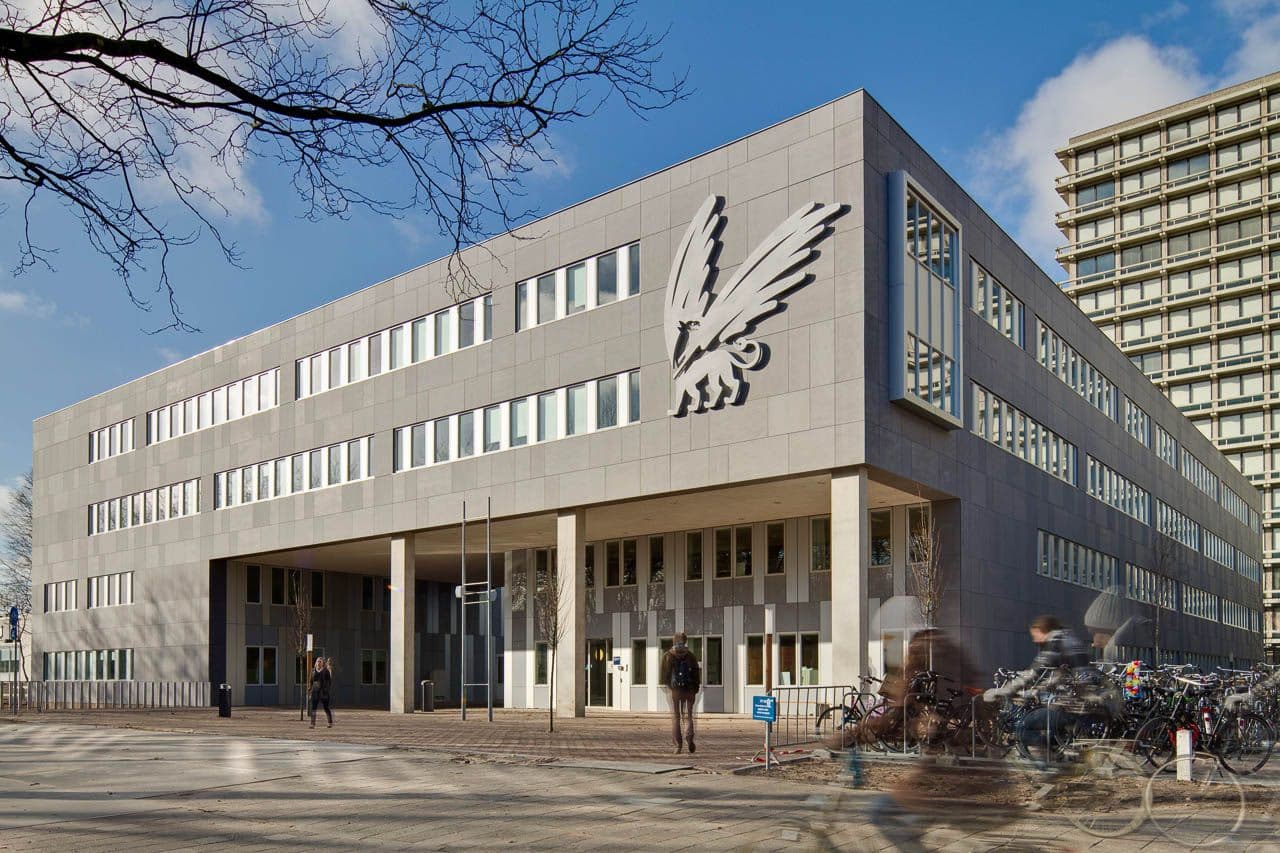
Most master's programmes in our list are awarded as a Master of Science, which reflects how technical the field is. Core coursework usually covers probability and mathematical statistics, linear and non-linear regression, time-series and panel-data methods, and programming in languages such as R or Python. Many degrees pair this with operations research or data science — for example VU Amsterdam's Econometrics and Operations Research track, which branches into specialisms like climate econometrics and quantitative logistics, and the University of Amsterdam's Econometrics: Data Analytics variant. If you are arriving from a broader background, our economics, statistics and mathematics hubs cover the foundations these programmes assume.
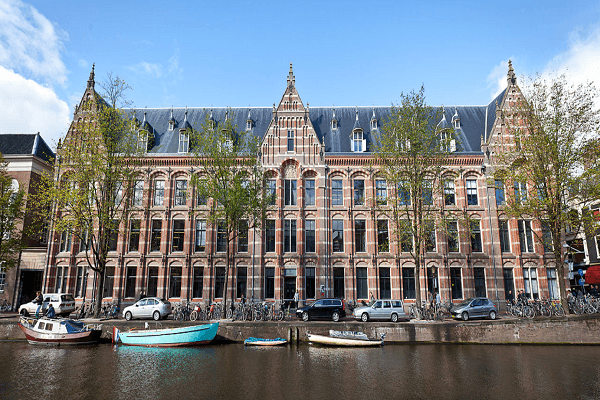
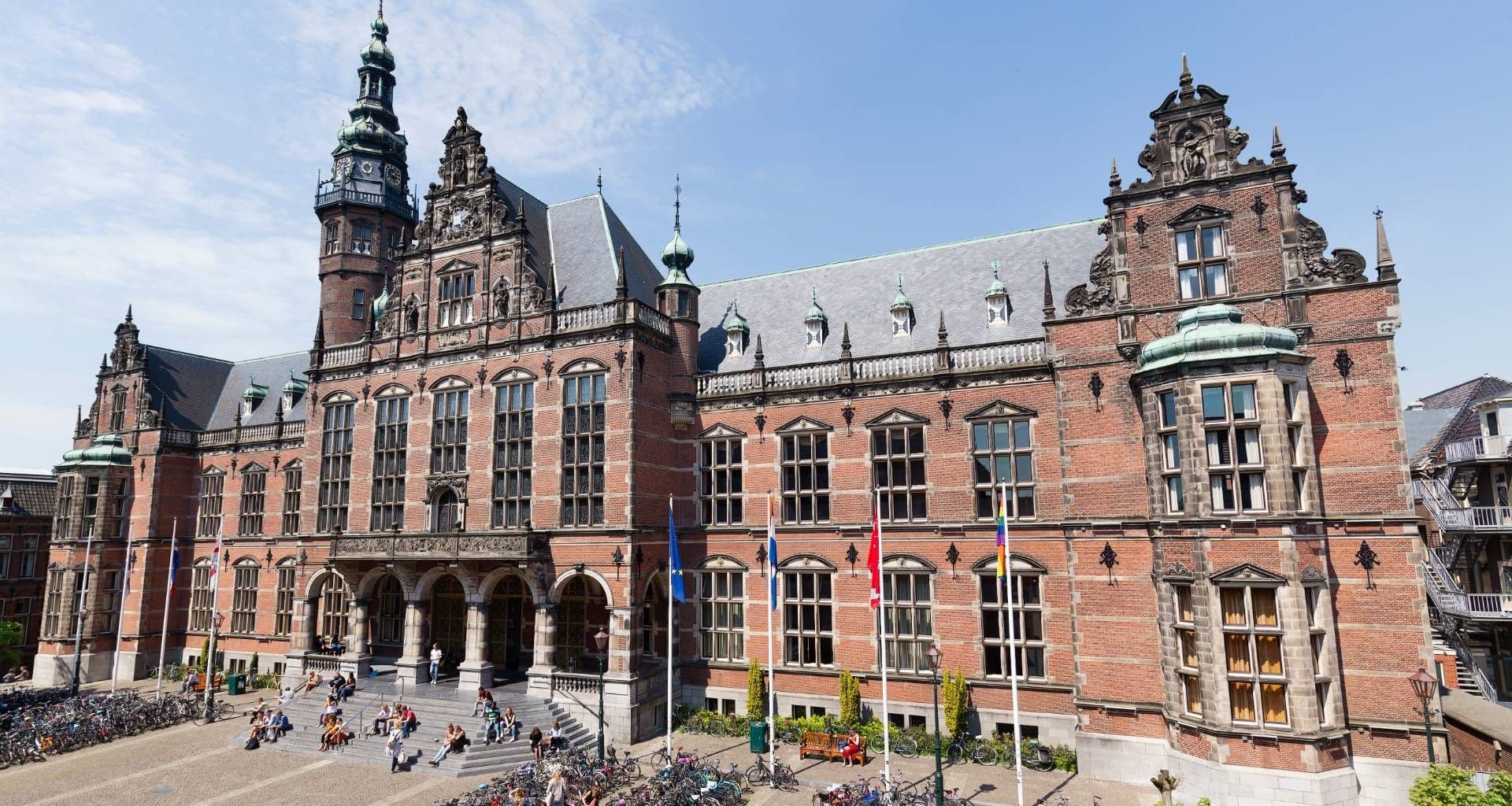
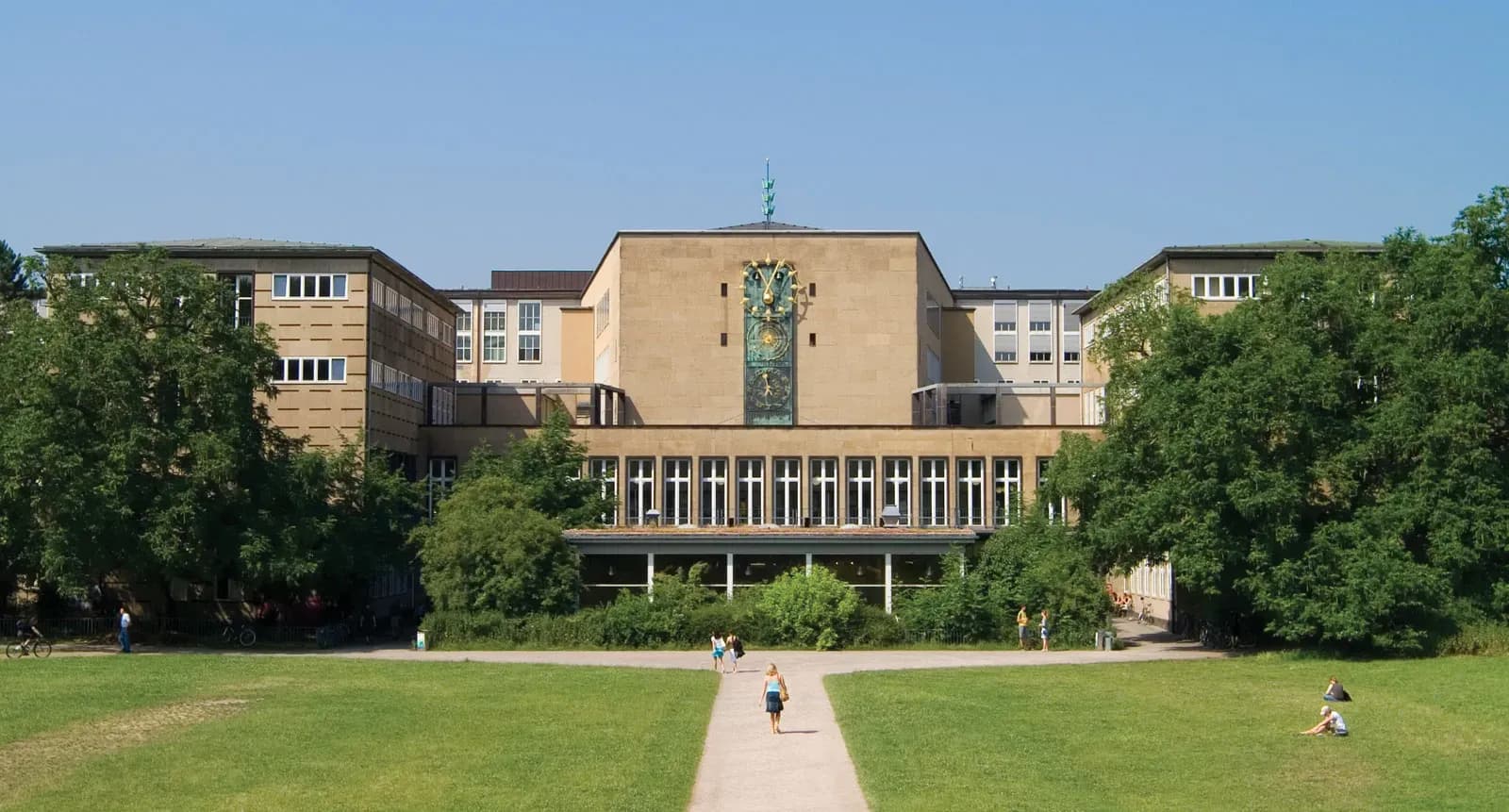
The Netherlands is by far the strongest region for econometrics in our data, with 13 of the 20 programmes and a long tradition in the field. You will find degrees there at VU Amsterdam, the University of Amsterdam, Erasmus University Rotterdam and the University of Groningen. Germany contributes research-focused master's at the universities of Cologne, Duisburg-Essen and Dortmund, while the United Kingdom is represented by Durham University and the London School of Economics. There is also an undergraduate route in Turkey at Cukurova University.
Fees vary widely by country and by your student status. As listed on Stuudy, bachelor's programmes in the Netherlands sit at roughly $13,000–$16,000 per year, and Dutch research master's typically fall between about $23,000 and $28,000. The German public universities and the Turkish programme in our data list little or no tuition, which makes them worth a close look if budget is a priority. The highest figures belong to the UK master's, at around $44,000–$48,000. Always confirm the current fee and any EU/non-EU distinction directly with the university, since these change from year to year.
Because the skills are quantitative and highly transferable, graduates rarely struggle to find direction. Common paths include economic and policy analysis at central banks and government departments, forecasting and pricing roles in banking and insurance, data science and machine learning in industry, and academic research. The overlap with finance is especially strong: quantitative and risk roles lean heavily on exactly the modelling techniques an econometrics master's teaches.
Start with the balance of theory and application. Some degrees, such as Cologne's Business Analytics & Econometrics, tilt towards data-driven business problems, while others stay closer to economic theory and causal inference. Check the mathematics entry requirements carefully, since master's programmes assume a solid grounding in calculus, linear algebra and statistics. Look at electives and thesis options too: specialisations in data science, actuarial studies or operations research can shape which career doors open later. Finally, weigh location, language of instruction and total cost of living alongside tuition.
Econometrics rewards curiosity across neighbouring fields. If you are still deciding, compare it with a broader economics master's, the more method-focused statistics and mathematics hubs, or the applied world of finance. Each shares tools with econometrics but points towards a different kind of career.
Master of Science · Full-time · On Campus
University of Amsterdam (UvA)
Amsterdam, Netherlands
Master of Science · Full-time · On Campus
Vrije Universiteit Amsterdam (VU Amsterdam)
Amsterdam, Netherlands
Master of Science · Full-time · On Campus
Erasmus University Rotterdam
Rotterdam, Netherlands
Master of Science · Full-time · On Campus
University of Groningen
Groningen, Netherlands



.webp&w=3840&q=75)