
The ultimate guide to studying in Hungary in 2025


🇭🇺 Overview: Study in Hungary
Hungary is an increasingly popular destination for international students, offering high-quality education, affordable tuition, and a welcoming European lifestyle. With over 30,000 international students annually, Hungary is known for its strong programs in medicine, engineering, and natural sciences.
From world-renowned medical universities to innovative technology institutes and vibrant art schools, Hungary provides a wide range of English-taught programs across public and private institutions. Students benefit from EU mobility, research partnerships, and a safe, centrally located base in Europe.
🎯 Whether you're looking for academic excellence, low living costs, or a culturally rich student life, Hungary offers a smart and accessible study experience.
🌟 Why Study in Hungary?
🌍 European Recognition – Degrees accepted across the EU and beyond
🎓 Strong in STEM & Health – Leading programs in medicine, engineering, and pharmacy
💼 Affordable Costs – Low tuition fees and living expenses compared to Western Europe
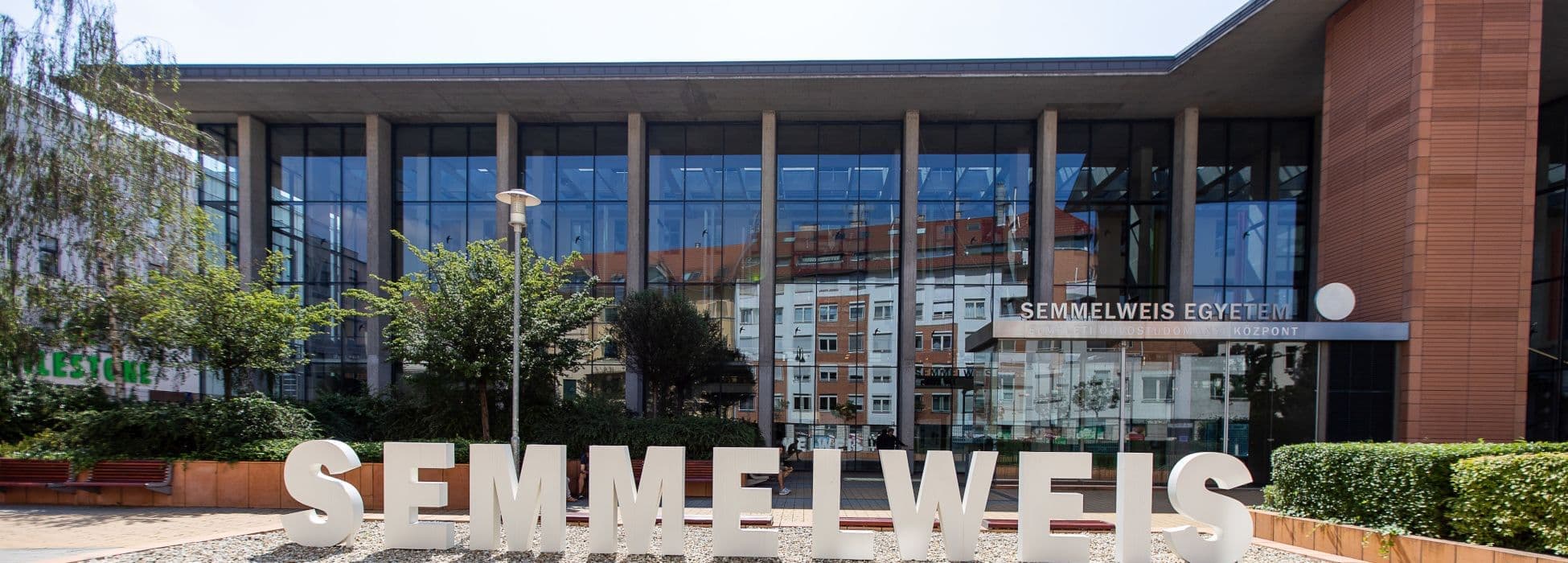
🏛️ Top Universities – Includes Semmelweis University, University of Szeged, BME, ELTE
🌆 Cultural Heritage – Study in stunning cities like Budapest, Pécs, and Debrecen
💸 Tuition & Costs: Study in Hungary
Hungary offers one of the most affordable study experiences in Europe — combining low tuition fees with relatively low living costs. This makes it an ideal destination for students seeking high-quality education without the financial burden of Western Europe.
🎓 Tuition Fees
Hungarian universities offer competitive tuition rates, especially for English-taught programs. Fees vary depending on the institution and field of study:
- Public Universities
Typical tuition for international students: €1,500 – €5,000/year
Example: University of Szeged, Eötvös Loránd University (ELTE) - Medical & Engineering Programs
Specialised programs may cost €8,000 – €16,000/year, especially at medical schools.
Example: Semmelweis University, University of Debrecen (Medical Faculty)
💡 Many universities in Hungary participate in scholarship programs like Stipendium Hungaricum, which fully covers tuition and provides a monthly allowance.
🏠 Living Expenses
Monthly living costs in Hungary are generally lower than in most EU countries. Depending on your city and lifestyle, you can expect to spend around €500 to €900/month, including:
- Rent (shared apartment or dorm): €200–€400
- Food & groceries: €150–€250
- Transportation & personal expenses: €100–€250
📍 Budapest may be slightly more expensive than other cities like Szeged, Pécs, or Debrecen — but remains budget-friendly compared to major Western capitals.
🧮 Budget Planning Tips
- Apply for government-funded scholarships and university discounts
- Choose student dormitories to reduce rent
- Use student cards for discounted transport and dining
- Account for one-time costs like residence permit fees, insurance, and books
🛂 Visa & Work: Study in Hungary
To study in Hungary as a non-EU/EEA citizen, you will need a D-type long-term student visa and a residence permit for study purposes. These documents allow you to live in Hungary and study at a recognised institution for more than 90 days.
📌 Student Visa (D-Type)
The process starts with a visa application through the Hungarian Embassy or Consulate in your home country. You must present:
- Proof of university admission (Letter of Acceptance)
- Valid passport
- Proof of financial means
- Health insurance
- Proof of accommodation in Hungary
Once in Hungary, you must apply for a residence permit through the National Directorate-General for Aliens Policing within 30 days.
💡 The Stipendium Hungaricum scholarship holders are often assisted directly by their host institutions with the visa and permit process.
💼 Working While Studying
International students in Hungary are legally allowed to work part-time during their studies:
- Up to 30 hours/week during the academic term
- Full-time during scheduled university breaks
Common student jobs include hospitality, administration, and university-based part-time roles.
🧭 After Graduation
Graduates can extend their residence permit for up to 9 months to seek employment or start a business. This is known as the “Job-Seeking or Entrepreneurial Permit”, and it gives students a bridge to enter the Hungarian or EU job market.
🏛️ Top Universities in Hungary
Hungary is home to several internationally recognised universities, especially in the fields of medicine, engineering, natural sciences, and the arts. Known for their academic quality, affordable programs, and English-taught degrees, Hungarian universities attract thousands of international students each year.
🎓 Multiple Hungarian universities are ranked in the Top 1000 globally by QS and Times Higher Education (THE), with strong reputations across Europe.
🌟 Leading Hungarian Universities for International Students
- Semmelweis University
Top-ranked medical university in Hungary
Renowned for medicine, dentistry, and pharmacy programs
Located in Budapest, offering full English-taught medical degrees - Eötvös Loránd University (ELTE)
Hungary’s oldest and largest university
Strong in humanities, psychology, law, and natural sciences
Wide range of English-taught master’s programs - Budapest University of Technology and Economics (BME)
Premier institution for engineering and IT
Known for research in electrical, civil, and mechanical engineering
Located in central Budapest with strong industry links - University of Szeged
Top-ranked university in southeastern Hungary
Offers high-quality programs in medicine, natural sciences, and the arts
Known for its modern campus and student-friendly environment - University of Debrecen
Popular among international students, especially in health sciences
Wide range of English-taught bachelor’s and master’s programs
Located in Debrecen, Hungary’s second-largest city
🧭 Other Notable Universities
- Corvinus University of Budapest – Leading business and economics university
- University of Pécs – One of the oldest universities in Central Europe
- Hungarian University of Fine Arts – Specialised in visual arts and design
- Óbuda University – Applied sciences and technical programs
- Liszt Ferenc Academy of Music – Prestigious conservatory for music students
💡 Many universities in Hungary participate in Erasmus+ and other EU programs, offering mobility and exchange opportunities across Europe.
🔍 How to Explore Rankings
- QS World University Rankings
- Times Higher Education (THE)
- Study in Hungary official portal
🗣️ English Requirements for Studying in Hungary
If you're planning to study in Hungary in an English-taught program, you'll need to demonstrate your English language proficiency through standardised tests. Hungarian universities widely accept internationally recognised exams such as IELTS, TOEFL, and Duolingo English Test, especially for bachelor’s and master’s degrees.
🎯 Minimum required scores and accepted exams may vary depending on the institution and program, so it's essential to check the specific entry criteria early.
✅ Most Commonly Accepted English Tests
- IELTS Academic
Accepted by almost all Hungarian universities
Minimum score: 6.0–6.5 overall
Offered in both computer-based and paper-based formats - TOEFL iBT
Recognised by major institutions, including Semmelweis and ELTE
Minimum score: 72–90 iBT
Home Edition is often accepted - Duolingo English Test (DET)
Increasingly accepted post-COVID
Affordable, 100% online, fast results
Typical minimum score: 95–110
Accepted by universities like the University of Debrecen and the University of Pécs
🔄 Alternatives & Exemptions
Some Hungarian universities offer flexibility or alternatives:
- Proof of previous education in English (e.g., IB Diploma, British A-Levels)
- University-specific placement or language interviews
- Completion of foundation or preparatory language courses in Hungary
- Acceptance of other tests like PTE Academic or Cambridge English (B2 First or C1 Advanced)
📍 Example: University of Szeged accepts IELTS 6.5 or TOEFL iBT 80 for most master's programs in science and medicine.
🧠 Tips for Applicants
- Take your English test at least 3–6 months before application deadlines
- Ensure your test scores are still valid (usually 2 years)
- Upload or send official scores through test portals (ETS, IDP, Duolingo, etc.)
- If unsure, contact the International Office of your chosen university for clarification
📝 Application Process: How to Apply to Hungarian Universities
Applying to universities in Hungary is a clear and straightforward process — especially for English-taught programs. Most universities accept online applications via their own portals, and some national scholarships (like Stipendium Hungaricum) have centralized systems.
🎯 Hungary has one main intake per year (September), though some programs also offer a February intake. Starting early gives you time to prepare the required documents.
✅ Step-by-Step Guide to Applying
1. Choose Your Program & University
Start by researching accredited institutions through trusted platforms or the official Study in Hungary portal.
Look into program details, tuition fees, application deadlines, and available scholarships.
2. Check Admission Requirements
Each university sets its own criteria, but common requirements include:
- Academic transcripts and diploma (high school for bachelor’s, bachelor’s degree for master’s)
- English language proficiency test (IELTS, TOEFL, Duolingo)
- Motivation letter or statement of purpose
- Letters of recommendation (mainly for master’s or scholarship applications)
- Valid passport copy
- Portfolio (for art or design programs, if applicable)
3. Choose Your Application Platform
🟩 University Portals
Most applications are submitted directly through the university’s online system.
You’ll create a profile, upload documents, and track your application status.
🟥 Stipendium Hungaricum Platform
If applying via the government scholarship, use the stipendiumhungaricum.hu portal.
The process involves nomination from your home country and selection by the host university.
4. Submit Your Application
Apply between November and April for September intake.
Private programs may have later deadlines, but applying early improves your chances for scholarships and housing.
Double-check if there are interviews or entrance exams (some programs in medicine or engineering may require this).
📆 Application Timelines
- Main Intake (September): Applications typically open in late fall (November–December)
- Deadlines: Range from January to April, depending on university and program
- Scholarships like Stipendium Hungaricum: Application deadline usually in January
📌 Always refer to the university’s official website for the most accurate and up-to-date deadlines.
🧠 Tips for a Strong Application
- Tailor your motivation letter to each program
- Choose academic referees who know your strengths
- Proofread all documents carefully before submission
- Highlight extracurricular achievements or relevant experiences
- Ask about application fee waivers (if available)
🎓 Scholarships & Funding for International Students in Hungary
Hungary offers a variety of scholarships and funding options for international students, especially those pursuing English-taught bachelor’s, master’s, or doctoral programs. The most prominent option is the Stipendium Hungaricum, a fully funded government scholarship that attracts thousands of applicants each year.
💡 Hungary is considered one of the most affordable destinations in Europe — and scholarships make it even more accessible for international students.
💰 Types of Scholarships Available
1. 🎯 Merit-Based Scholarships
Awarded based on academic achievement or talent.
- Offered by individual universities
- May include partial tuition waivers or housing discounts
- Example: ELTE Excellence Scholarship
- Renewable, depending on academic performance
2. 💡 Government-Funded Scholarships
Funded by the Hungarian government and open to students from 90+ partner countries.
- Stipendium Hungaricum
↳ Covers full tuition, monthly stipend, accommodation or housing allowance, and health insurance
↳ Available for bachelor’s, master’s, one-tier master’s, and PhD programs
↳ Requires nomination by the student’s home country
↳ Highly competitive but comprehensive - Hungarian Diaspora Scholarship
↳ Targeted at students with Hungarian roots living abroad
↳ Covers tuition and living costs
3. 🌐 EU Mobility & Erasmus+
If you're studying in Europe or at a Hungarian university partnered with others in the EU:
- Erasmus+ enables exchange semesters and internships abroad
- Some universities offer joint degrees with EU partners that include funding
🏛️ University-Specific Scholarships
Many Hungarian universities provide their own funding options:
- University of Debrecen – Stipend for academic excellence
- University of Szeged – Start Scholarship and Faculty-specific awards
- Corvinus University of Budapest – Corvinus Scholarship for high-achieving students
- University of Pécs – Partial tuition fee scholarships for international students
💡 Tip: Check each university’s international office webpage for updated scholarship opportunities, deadlines, and application instructions.
💡 How to Increase Your Chances
- Apply early — some scholarships close in January for a September intake
- Submit a compelling motivation letter and a well-prepared academic CV
- Maintain high grades and provide proof of extracurricular achievements
- Get nominated through your country (for Stipendium Hungaricum)
- Contact your chosen university’s admissions office for tailored guidance
🧑🎓 Student Life in Hungary
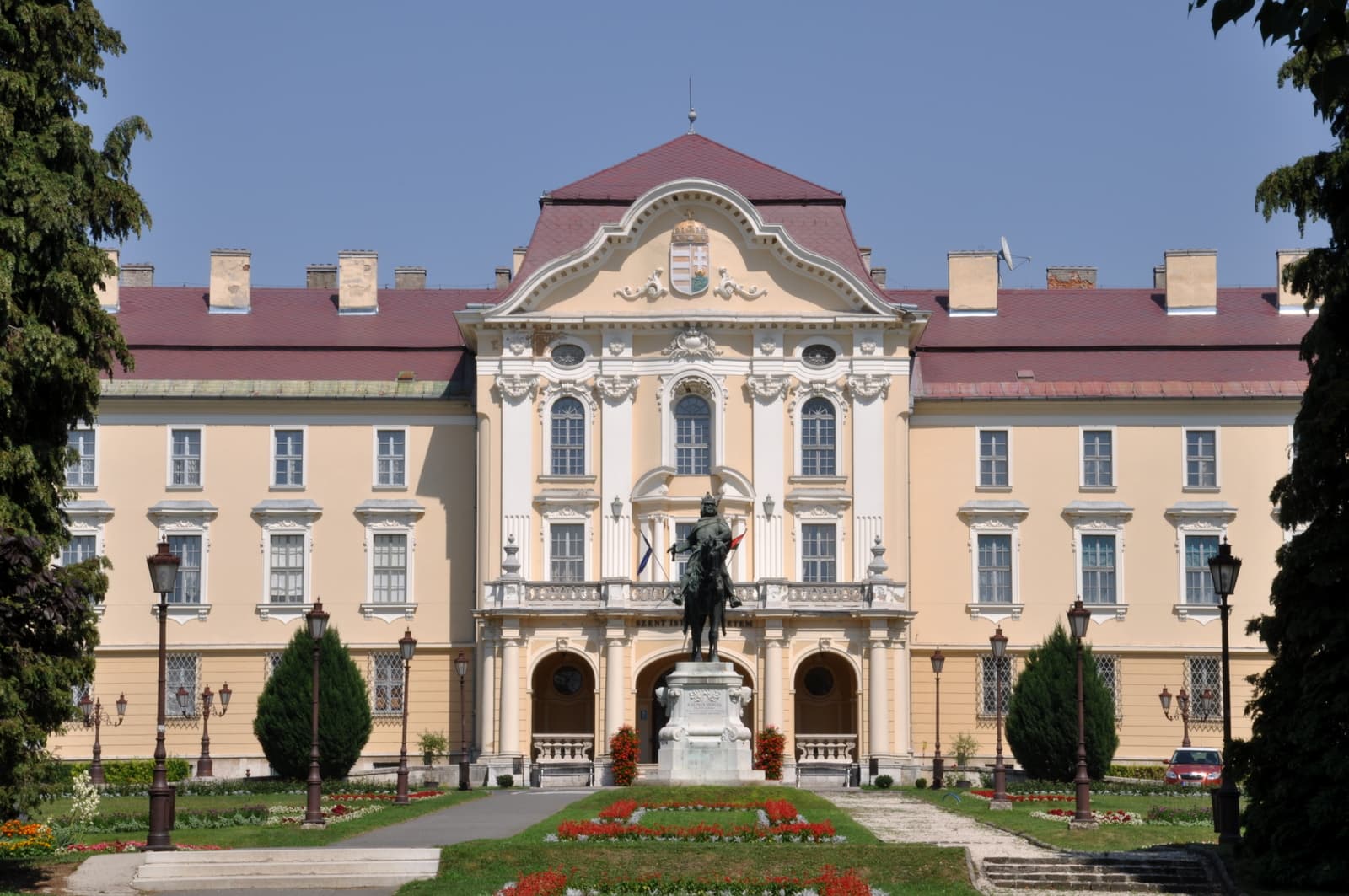
Studying in Hungary offers more than academic excellence — it’s a culturally rich, student-friendly experience right in the heart of Europe. With a mix of traditional university towns, modern facilities, and affordable living, international students find both community and opportunity in Hungary.
🌎 With over 30,000 international students, Hungary provides a welcoming and diverse environment for learners from all over the world.
🏛️ Campus Life & Culture
Hungarian universities feature vibrant campuses with opportunities for social, cultural, and academic engagement:
- Student clubs, debate societies, and language exchanges
- International Student Days, city tours, and cultural festivals
- Sports centers, gyms, libraries, and co-working spaces
- Volunteering, Erasmus Student Network (ESN), and mentorship programs
📍 Tip: Most universities have dedicated international student offices and buddy programs to help with integration and support.
🏠 Student Housing Options
Students typically choose between:
On-Campus Dormitories
→ Most affordable option (approx. €100–€250/month)
→ Shared rooms with basic facilities, usually near campus
→ Great for meeting international and local students
Off-Campus Apartments
→ Ranges from €250–€500/month depending on city
→ More privacy and independence
→ Shared flats with other students are common
Housing in cities like Budapest is more competitive and slightly more expensive compared to smaller towns like Szeged or Debrecen.
🏥 Health Insurance
Health insurance is mandatory for all international students in Hungary.
- EU/EEA students can use their European Health Insurance Card (EHIC)
- Non-EU students must purchase private insurance or enroll in university-provided plans
- Typical costs: €30–€50/month, covering doctor visits, emergencies, and basic care
- Some scholarships (e.g., Stipendium Hungaricum) include free health coverage
🌐 Diversity & Inclusion
While Hungary is a more homogenous society than some Western countries, university campuses are increasingly international:
- Diverse student populations, especially in medicine, engineering, and business programs
- English is widely spoken in academic settings
- International offices provide cultural support, orientation, and language help
- Events like International Days, food festivals, and language cafés are popular
📱 Useful Apps for Students in Hungary
- Wolt / Foodpanda – Food delivery
- BudapestGO – Public transport & ticketing
- Revolut / Wise – Money transfers and banking
- Google Maps – Navigation
- Neptun – Academic portal used by most universities
- ESN Hungary – Erasmus & international student events
💼 Internships & Jobs for International Students in Hungary
Gaining work experience while studying in Hungary is possible — and often encouraged. International students can work part-time during their studies and may extend their stay to seek full-time employment after graduation.
💡 Working in Hungary not only helps finance your studies but also builds valuable career skills and expands your professional network in Europe.
🏫 On-Campus & Part-Time Employment
International students in Hungary are allowed to work:
- Up to 30 hours/week during the academic semester
- Full-time during official university holidays (e.g., summer break)
Common jobs include:
- Library or administrative assistant at the university
- Café/barista or hospitality roles
- Language tutoring, translation, or freelance services
- IT support or student ambassador roles
📍 Note: Work permits are generally not required for part-time work within these limits, but students must notify their residence permit authority when employed.
🔄 Internships During Study
Many universities in Hungary encourage or require internships, especially in applied science or business programs:
- Can be part of your degree (credit-bearing) or voluntary
- Often organised through university-industry partnerships
- Internship positions may be paid or unpaid
- Fields like tech, engineering, pharma, and tourism offer good opportunities
Tip: Ask your faculty or international office for internship partner companies and guidance on writing a Hungarian-style CV.
🎯 Post-Study Work Opportunities
After graduation, international students can extend their residence permit for up to 9 months under the Job-Seeking or Entrepreneurial Permit.
This permit allows you to:
- Search for full-time employment in Hungary or
- Start your own business
To apply, you must:
- Hold a degree from a Hungarian higher education institution
- Show proof of financial means and health insurance
- Apply before your student residence permit expires
This period is a great opportunity to transition from studies to a professional career in Hungary or the EU.
🔍 Finding Internships & Jobs
Popular tools and platforms include:
- profession.hu.hu – Hungary’s top job portal
- CVonline.hu – Job listings in English and Hungarian
- LinkedIn – Internships and graduate roles
- University Career Centres – Events, career fairs, and alumni connections
- ESN Hungary – Sometimes posts part-time or student-friendly jobs
🎯 After Graduation: Stay, Work & Settle in Hungary
Graduating from a Hungarian university doesn’t have to mean leaving. Hungary offers international graduates the opportunity to stay, gain work experience, and even settle long-term — thanks to clear visa pathways, EU work mobility, and growing demand for skilled professionals.
💡 Hungary is part of the EU and Schengen Area, giving graduates unique access to the broader European job market.
✅ Step 1: Job-Seeking or Entrepreneurial Residence Permit (9 Months)
After completing your degree, you can apply for a 9-month post-study residence permit to search for work or start a business in Hungary.
- Apply before your student residence permit expires
- Proof of diploma from a Hungarian university is required
- Must show sufficient financial means and health insurance
- Allows full-time employment or self-employment
This permit gives you time to explore the job market or develop your own startup idea within Hungary.
💼 Step 2: Residence Permit for Gainful Employment
Once you receive a job offer or start your own registered business:
- You can apply for a residence permit for employment
- Valid for 1–2 years, renewable
- Requires an employment contract or company registration
- Must meet minimum salary thresholds set by immigration authorities
This permit allows you to legally live and work in Hungary beyond your studies.
🌍 Step 3: EU Blue Card (Optional for Highly Skilled Workers)
If you're offered a highly skilled job in Hungary (e.g., IT, engineering, healthcare):
- You may qualify for an EU Blue Card
- Valid for up to 4 years, renewable
- Provides faster family reunification
- May allow easier relocation to other EU countries after 18 months
To qualify, your salary must meet a certain multiple of the average Hungarian wage.
🏡 Step 4: Permanent Residency in Hungary
If you reside legally in Hungary for 5 consecutive years (including time as a student with some conditions), you may apply for:
- National Permanent Residence Permit (NPRP)
- Later, EC Long-Term Residence Permit (valid in all EU states)
Requirements include:
- Stable income and accommodation
- Clean criminal record
- Proof of integration (e.g., basic Hungarian language knowledge)
💡 Many international graduates choose to stay and work in Hungary long-term — especially in fields like IT, engineering, life sciences, and health.
.jpg&w=2048&q=75)
.jpg&w=1920&q=75)

.jpg&w=1920&q=75)


Hungary offers a unique blend of academic tradition, modern infrastructure, and affordability — making it one of Europe’s fastest-growing destinations for international students. From world-class medical and engineering schools to government-funded scholarships like Stipendium Hungaricum, Hungary makes high-quality education accessible. With post-graduation work permits and strong EU mobility, students can build both their education and career in the heart of Europe.
