
The ultimate guide to studying in Czech Republic in 2025


🇨🇿 Overview: Study in Czechia
Czechia (the Czech Republic) is one of Europe’s most student-friendly destinations, welcoming over 50,000 international students each year. With a strong academic heritage, low tuition fees, and a central location in Europe, Czechia offers a high-quality education at an affordable price.
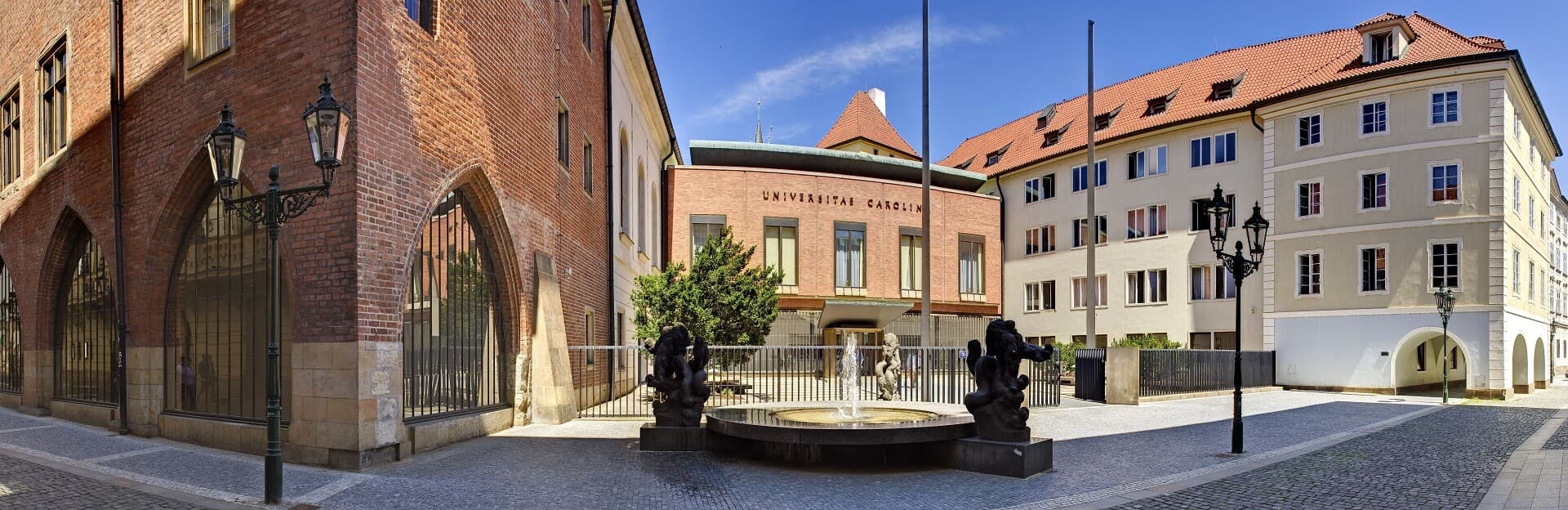
Home to some of the oldest and most prestigious universities in Europe — including Charles University and Czech Technical University — the country provides a wide range of English-taught programs in medicine, engineering, arts, and business.
🎯 Whether you're looking for academic excellence, cultural depth, or budget-friendly student life, Czechia is a smart choice in the heart of Europe.
🌟 Why Study in Czechia?
🌍 Affordable & High-Quality – World-class education with low living and tuition costs
🎓 English-Taught Programs – Hundreds of bachelor’s and master’s programs in English
💼 Work While You Study – Legal part-time work and post-study residence permits
🏛️ Historic Universities – Study at institutions dating back to the 14th century
🧳 Travel Europe – Explore 27+ countries with a Schengen visa
💸 Tuition & Costs: Study in Czechia
Studying in Czechia is known for being budget-friendly without compromising on quality. Whether you choose public or private institutions, the tuition fees and living costs are significantly lower than in Western Europe or the U.S., making it an attractive destination for international students.
🎓 Tuition Fees
Czechia offers two main types of programs:
- Public Universities (in English)
Tuition fees typically range from €2,000 to €5,000 per year, depending on the field of study.
Example: Charles University, the Czech Technical University in Prague - Private Institutions
Tuition may range between €6,000 to €15,000 per year, depending on the program.
Example: University of New York in Prague
💡 Bonus: Programs taught in the Czech language at public universities are often free — even for international students!
🏠 Living Expenses
Monthly living costs in Czechia are among the lowest in Europe. On average, students spend €500 to €800/month depending on the city and lifestyle.
Expense Category Monthly Estimate
Rent & Utilities €250–€450
Food & Groceries €150–€250
Transportation €20–€40 (student pass)
Health Insurance €50–€70
Personal Expenses €50–€100
Total (avg.) €600/month
📍 Prague is slightly more expensive, while Brno and other smaller cities offer more budget-friendly living.
🧮 Budget Planning Tips
- Apply for student dormitories – cheaper than private rentals
- Use an ISIC card and other student discounts for transport, food, and events
- Consider health insurance plans tailored for international students
- Budget for visa/residence permit fees, flights, and settling-in costs
🛂 Visa & Work Opportunities: Study in Czechia
International students planning to study in Czechia for more than 90 days must apply for a long-term visa or a long-term residence permit for study purposes. These permits not only allow you to live and study in the country but also come with work benefits.
With the right permit, students can legally work part-time during their studies and even remain in Czechia after graduation to seek employment or launch a career.
📌 Student Visa / Long-Term Residence Permit
To study in Czechia, you’ll typically need one of the following:
- Long-Term Visa (for study) – valid up to 1 year
- Long-Term Residence Permit (for study) – ideal for multi-year programs
📋 Required Documents:
- Valid passport
- Proof of admission to a Czech university
- Proof of accommodation
- Proof of financial means (~CZK 110,000 or €4,500 for one year)
- Health insurance
- Completed visa application form
💡 Apply through your nearest Czech embassy or consulate. Processing time is usually 60–90 days.
💼 Working While Studying
Good news! As an international student in Czechia:
- You can work up to 20 hours per week during the academic year
- You can work full-time during the holidays
- No separate work permit is needed if you hold a student residence permit
Part-time jobs are commonly found in:
- Hospitality & tourism
- Retail
- Internships in tech or research
- Language tutoring or translation
🧑🎓 After Graduation: Stay & Work
Graduates of Czech universities can apply for a 9-month job-seeking residence permit (extension option).
If you find a job, you can switch to:
- Employee Card – standard work permit tied to your employer
- Blue Card – for highly qualified workers in fields like IT, engineering, or health
🌍 Your Czech degree also opens doors across Europe thanks to EU recognition.
🎓 Top Universities in Czechia
Czechia is home to some of the oldest and most respected universities in Central Europe, offering high-quality education in English across a wide range of disciplines. Many Czech universities consistently rank in global listings, especially in medicine, engineering, and natural sciences.
🏛️ Leading Universities in Czechia
Charles University
Located in Prague
Founded in 1348, one of the oldest universities in Europe
Strong in medicine, humanities, natural sciences, and social sciences
Czech Technical University (CTU)
Based in Prague
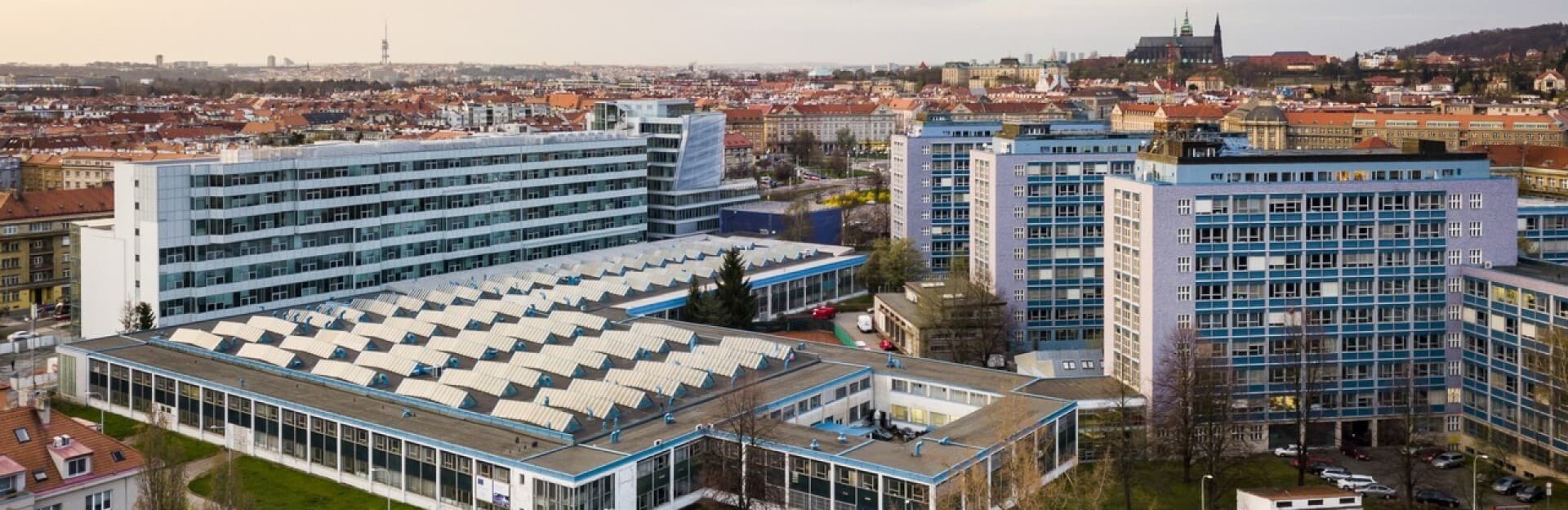
Top-ranked for engineering, computer science, and architecture
One of the largest and most research-active technical schools in Central Europe
Masaryk University
Located in Brno
Popular for international programs in law, life sciences, and economics
Known for a vibrant student life and modern research facilities
University of Economics, Prague (VŠE)
Czechia’s top business school
Specialised in economics, finance, and international trade
Highly international student body and exchange programs
🧭 Other Notable Institutions
- Palacký University Olomouc – Strong in psychology, education, and philosophy
- Brno University of Technology – Focused on engineering and information technology
- Czech University of Life Sciences Prague – Agriculture, environment, and forestry
💡 Many Czech universities offer scholarships to international students based on academic merit or government support programs.
🔍 How to Explore Rankings
- QS World University Rankings
- Times Higher Education (THE)
- Academic Ranking of World Universities (ARWU)
🗣️ English Requirements for Studying in Czechia
To study in Czechia in an English-taught program, international students are generally required to prove their English language proficiency. Universities accept widely recognised English tests such as IELTS, TOEFL, and sometimes Duolingo English Test or Cambridge exams.
🎯 Minimum score requirements vary by institution and program — so it’s essential to check the exact requirements for each university.
✅ Most Commonly Accepted English Tests
- IELTS Academic
Accepted by nearly all Czech universities
Minimum score typically: 6.0–6.5 overall
Available in paper-based and computer-delivered formats - TOEFL iBT
Preferred by science and technical programs
Minimum score usually: 80–90 iBT
Home Edition may be accepted — confirm with the university - Duolingo English Test (DET)
Accepted by some universities, especially for bachelor's programs
Minimum score range: 100–110
Fully online and results within 2 days
🔄 Alternatives & Exemptions
Some Czech universities allow alternative ways to fulfil English requirements:
- Completion of previous education in English (e.g., IB, A-Levels, or English-medium high school)
- Passing an internal university language exam
- Taking part in a foundation or preparatory program offered by the university
- Submitting Cambridge English (B2 First, C1 Advanced) or PTE Academic scores
📍 Example:
At Masaryk University, most bachelor’s and master’s programs require IELTS 6.0 or TOEFL 80+. However, a recent high school diploma in English may be accepted in place of a test.
🧠 Tips for Applicants
- Plan your English test at least 3–4 months before applying
- Check whether your test result is still valid (typically 2 years)
- Always send your scores through the official test portal (e.g., IELTS, ETS)
- If you’re unsure, contact the university’s International Office for clarification
📝 Application Process: How to Apply to Czech Universities
Applying to a university in Czechia is a straightforward process, but it requires attention to detail — especially for programs taught in English. Most applications are submitted directly through university portals, and deadlines may vary by institution and program.
🎯 Czech universities usually have one main intake: Fall (September/October). Some offer a Spring intake (February), especially for master's programs.
✅ Step-by-Step Guide to Applying
1. Choose Your Program & University
Explore programs using platforms like:
- Study in Czechia (official portal)
- University websites
Focus on program content, tuition fees, language of instruction, and location.
2. Check Admission Requirements
Each university sets its criteria, but common requirements include:
- Academic transcripts (translated into Czech or English)
- English proficiency test results (e.g. IELTS, TOEFL)
- CV/resumé
- Motivation letter / Statement of Purpose
- Passport scan
- Portfolio (for art/design programs)
- Application fee (~€20–€50)
3. Submit Your Application
- Apply directly via the university’s online portal
- Upload all required documents before the deadline
- Some universities require notarised or apostilled documents
- Pay the application fee online
4. Entrance Exams or Interviews (if applicable)
Some competitive programs require:
- Online entrance exams (math, logic, field-specific)
- Oral interviews
- Skype/video interviews for international applicants
📆 Application Timelines
Semester Application Opens Deadline (Typical)
Fall November – February March – April
Spring June – August September – October
💡 Deadlines vary by university — always check official university pages.
📌 Tips for a Strong Application
- Write a clear and motivated personal statement tailored to your program
- Submit well-translated and verified documents
- Ask for recommendation letters early if needed
- Double-check visa deadlines and plan accordingly
🎓 Scholarships & Funding for International Students in Czechia
Czechia offers several scholarship opportunities to help international students cover tuition and living expenses. From government-funded programs to university-specific awards, students can access financial support at both undergraduate and postgraduate levels.
💡 Many Czech universities also offer tuition fee waivers or merit-based discounts for high-performing students.
💰 Types of Scholarships Available
- 🎯 Government Scholarships (Ministry of Education)
Awarded to students from selected countries for bachelor’s, master’s, and doctoral studies.
Includes full tuition coverage and a monthly living stipend (~CZK 14,000 / €550)
Available mainly for programs taught in Czech, but some are offered in English
Application via Czech embassies - 📚 Visegrad Fund Scholarships
For students from Eastern Europe, the Balkans, and the Caucasus
Support for master's and post-master's studies in Czechia
Covers €2,500/year tuition + €3,000 living allowance - 🏛️ University-Specific Scholarships
Most public universities offer their own scholarships, including:
- Merit-based scholarships (high GPA or entrance exam results)
- Need-based support
- Dormitory subsidies and social grants
Examples:
- Charles University – Development Scholarships, Mobility Support
- Masaryk University – Faculty-specific scholarships and Erasmus+ mobility funds
- Czech Technical University – Merit Awards, Research Support Grants
- 🌍 EU & Erasmus+ Programs
EU citizens can apply for Erasmus+ or other mobility programs
Some joint master's programs offer full Erasmus Mundus funding
💡 How to Increase Your Chances
- Apply early and research the specific deadlines (often January–April)
- Write a compelling motivation letter tailored to the scholarship
- Highlight academic success, volunteering, or international experience
- Use national platforms like:
- www.studyin.cz (official portal)
- University websites’ scholarship sections
🧑🎓 Student Life in Czechia
Studying in Czechia offers a balanced mix of academic focus, cultural exploration, and vibrant social life. From historic university towns and affordable living to a strong international community, Czechia provides an enriching and welcoming environment for students from around the world.
🌍 With over 50,000 international students in Czechia, you’ll feel part of a diverse and supportive global student network.
🏛️ Campus Life & Culture
Czech universities foster active student communities with:
- Clubs and societies (academic, cultural, sports, gaming, etc.)
- Student unions that organise trips, events, and welcome weeks
- University festivals, Erasmus parties, and cultural days
- Access to libraries, language centres, music clubs, and fitness facilities
📍 Tip: Join ESN (Erasmus Student Network) or student buddy programs for a smooth transition and social support.
🏠 Student Housing Options
You’ll typically choose between:
On-Campus Dormitories
→ Most affordable option (€100–€200/month)
→ Shared rooms and kitchen, often close to campus
→ Managed by the university
Private Rentals or Shared Flats
→ Offers more independence (€250–€450/month)
→ Popular in cities like Prague, Brno, and Olomouc
→ Search via: Sreality.cz, Bezrealitky.cz, Facebook housing groups
💡 Many students combine part-time jobs with shared housing to cut down living costs.
🏥 Health Insurance
Health insurance is mandatory for non-EU students.
- Required for a visa and a residence permit
- Private student insurance plans cost around €50–€70/month
- Covers GP visits, hospital care, prescriptions, and emergencies
For EU/EEA citizens, a European Health Insurance Card (EHIC) is sufficient.
🌐 Diversity & Inclusion
Though Czechia is a relatively small country, its universities are becoming increasingly international:
- Multicultural student bodies, especially in Prague and Brno
- English-speaking administrative and support staff
- Cultural exchange events, language cafés, and international clubs
- Orientation weeks and mental health support services are available
📱 Useful Apps for Students in Czechia
- IDOS / Pubtran – Public transportation schedules
- Mapy.cz / Google Maps – Navigation
- Bolt / Liftago – Local taxi apps
- DameJidlo / Wolt – Food delivery
- MyUniApp / ISIC – Student ID and campus services
💼 Internships & Jobs for International Students in Czechia
Working during your studies in Czechia is not only possible — it’s encouraged. International students with the proper visa or residence permit are allowed to work part-time and take internships in their field. After graduation, students can also stay in the country to pursue full-time careers.
💡 Gaining professional experience while in Czechia can help you build your CV, support your finances, and improve your chances of staying long-term.
🏫 On-Campus & Part-Time Work
International students with a student residence permit can:
- Work up to 20 hours/week during the semester
- Work full-time during holidays
- Take jobs without a separate work permit if they are enrolled in an accredited program
📍 Common jobs:
- Research assistant at universities
- Student ambassador roles
- Cafés, shops, and event staff
- Freelance work (e.g., tutoring, graphic design)
💡 Students from the EU/EEA have full access to the Czech labour market with no restrictions.
🧑💼 Internships (Stáže)
Many programs encourage or require internships — especially in:
- Business & finance
- IT & engineering
- Healthcare & biotech
- International relations & NGO work
💡 Internships can be:
- Paid or unpaid
- Part of your academic curriculum
- Found through university career centres or platforms like Jobs.cz, StartupJobs.cz, and ErasmusIntern.org
🎯 After Graduation: Post-Study Work Options
Graduates of Czech universities can apply for:
- 9-month residence permit to stay and look for a job or start a business
- Once employed, you can switch to:
- Employee Card (standard long-term work permit)
- Blue Card (for highly qualified roles, especially in STEM)
Your Czech degree enhances your employability across the EU job market, thanks to automatic diploma recognition.
🔍 Finding Internships & Jobs
Popular job platforms:
- Jobs.cz – General employment site
- Expats.cz Jobs – English-speaking jobs
- StartupJobs.cz – Tech and startup jobs
- LinkedIn – Internships & graduate roles
- University career centres – CV help, fairs, and listings
🎯 After Graduation: Stay, Work & Settle in Czechia
Graduating from a Czech university doesn’t mean you have to leave. International students can remain in the country to search for jobs, start a career, and even transition to long-term residency. Czechia offers clear pathways for students who wish to build a future in the heart of Europe.
💡 Czech degrees are highly valued across the EU, making it easier to pursue a career in Czechia or elsewhere in Europe.
✅ Step 1: Job-Seeking Residence Permit (Up to 9 Months)
After completing your studies, you can apply for a long-term residence permit to stay in Czechia for up to 9 months to look for a job or start a business.
- Must apply before your student residence permit expires
- Proof of graduation and financial means required
- Gives you time to find suitable employment in your field
💼 Step 2: Work Permit Options
Once you find a job offer, you can switch to one of the following permits:
1. Employee Card
- Valid for up to 2 years
- Tied to a specific employer and job position
- Renewable
- Allows access to healthcare and social benefits
2. Blue Card (for Highly Qualified Workers)
- Requires a university degree + job offer in a high-skill field
- Higher salary threshold than the Employee Card
- Offers a faster path to permanent residency
- Valid across many EU countries
🏡 Step 3: Long-Term Settlement & Permanent Residency
After legally residing in Czechia for 5 years, you may apply for permanent residence.
- Must show stable income, Czech language proficiency (A2), and no criminal record
- Offers full access to the labour market, social security, and long-term housing rights
For EU/EEA citizens, different (simplified) residence rules apply.
🌍 European Mobility
Your Czech degree is automatically recognised across the EU, making it easier to:
- Apply for jobs in other Schengen/EU countries
- Qualify for EU Blue Card schemes
- Join international graduate programs and PhDs



-1.jpg&w=1920&q=75)
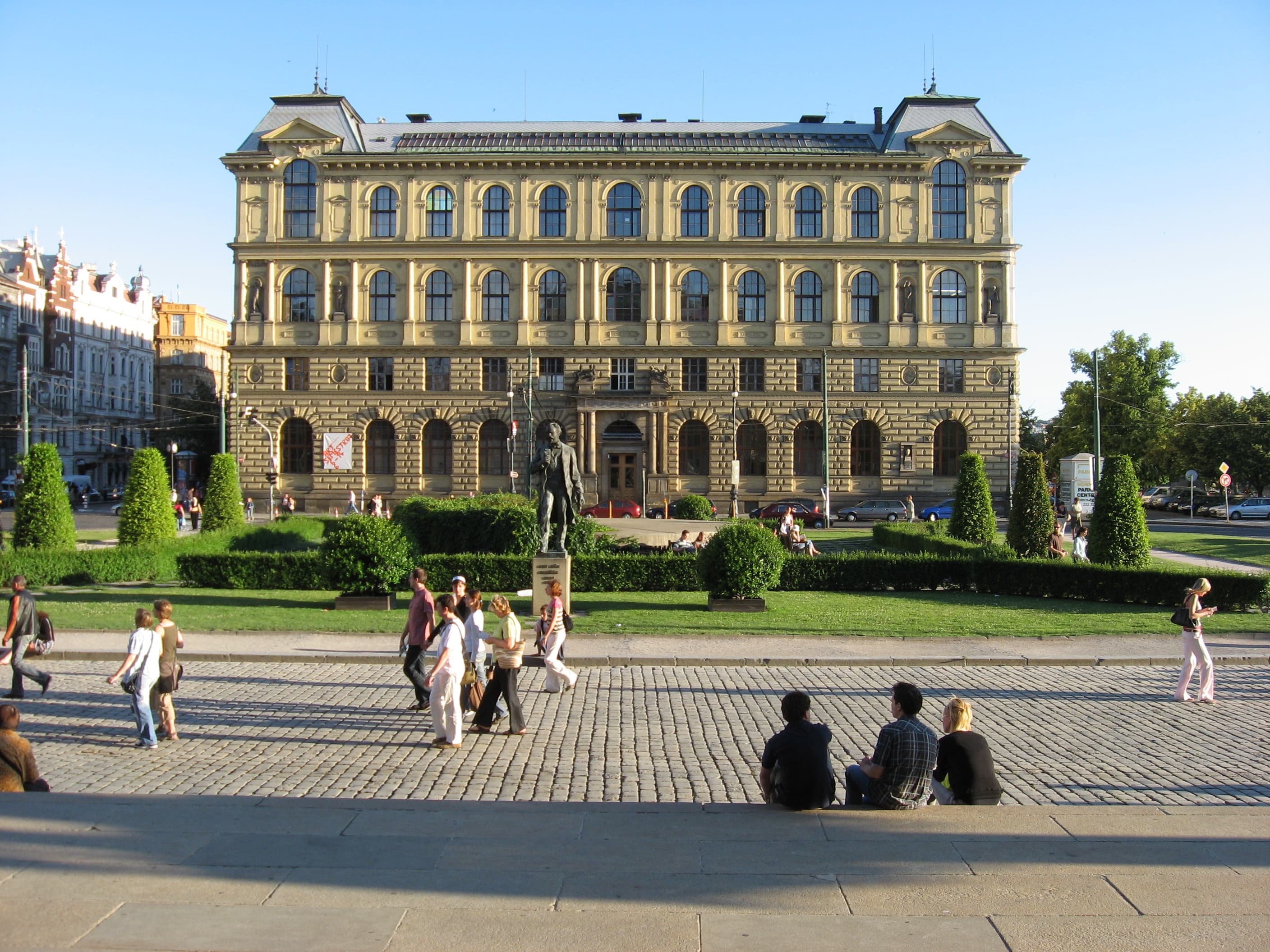
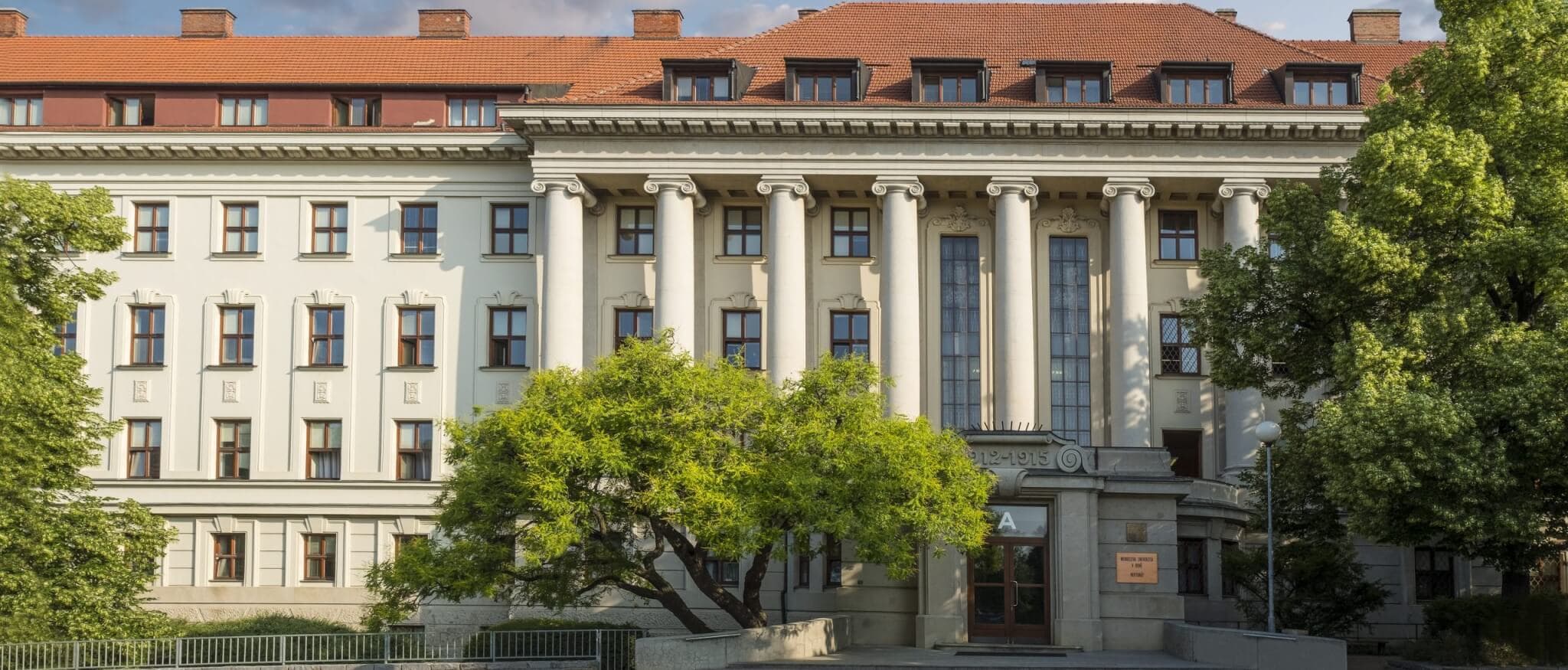
Study in Czech Republic









.png&w=640&q=75)

.png&w=640&q=75)

.png&w=640&q=75)
Dive into the heart of Europe by studying in the Czech Republic, where you can immerse yourself in a vibrant cultural tapestry while gaining a world-class education.
Experience top-tier education in Czechia — where medieval charm meets modern innovation, and every city becomes a gateway to European discovery.
