Bachelor of Science · Full-time · On Campus

Stanford University
Stanford, United States




A masters in computer science is a one to two year graduate degree that deepens your foundations in algorithms, systems and software, then lets you specialise in a fast-moving area such as artificial intelligence, cybersecurity or data science. On Stuudy you can compare 301 master's programmes in computer science at 116 universities across 13 countries, side by side, so you can weigh degree type, tuition and destination before you build a shortlist.
Most master's programmes share a common core before branching into electives. You can expect advanced coursework in algorithms and complexity, operating systems, distributed and parallel computing, databases, machine learning and software architecture, usually paired with a substantial thesis or capstone project. Programmes come in several shapes: taught MSc and MSc (Eng) degrees built around lectures and lab work, research-heavy tracks that lead toward a PhD, and joint or Erasmus Mundus degrees that split your time between two universities. Duration ranges from one calendar year, common in the UK, to two years across most of continental Europe and the United States.
Studying abroad puts you inside research groups and industry ecosystems that are hard to reach at home. The programmes on Stuudy sit in established tech hubs: the United States and United Kingdom together account for more than half of the listings, while the Netherlands, Germany, Sweden and Switzerland offer strong, research-led alternatives, often taught fully in English. Beyond the curriculum, an international degree builds the cross-cultural teamwork and language skills that global technology employers look for, and many destinations offer post-study work visas that let you start a career where you trained.
The biggest decision in a master's is your specialisation. Across the catalogue the most common tracks are:
A computer science master's opens routes into software engineering, machine learning and AI engineering, data science, security analysis, cloud and platform engineering, product and research roles. Because the degree pairs deep technical knowledge with a specialism, graduates are well placed for senior individual-contributor and research positions rather than entry-level ones. Compensation varies widely by role, employer and country — the United States and Switzerland typically sit at the top of the range, while continental Europe balances lower pay against lower living costs and cheaper tuition. Rather than chase a single headline figure, check the specific employers and alumni destinations listed on each programme page.
Tuition is one of the widest-varying factors. Across the 301 programmes listed here, annual tuition runs from roughly 300 at the low end to about 81,500 at private US universities, with the median near 39,600. Public universities in Germany are the standout for value: many charge no tuition at all beyond a small administrative fee, and several German master's in this catalogue are listed at zero cost. Public universities in Switzerland and much of continental Europe also keep fees modest, while the UK and US private institutions sit at the premium end. When you budget, add living costs, health insurance and visa fees on top of tuition, and check each programme for scholarships.
The catalogue is led by the UK (90 programmes) and the US (85), followed by the Netherlands (26), Germany (25), Sweden (24) and Italy (16). Reputable universities represented include Stanford, MIT, Cornell and Columbia in the United States; Oxford, Cambridge, Imperial College London, UCL and Edinburgh in the United Kingdom; Delft University of Technology and Eindhoven University of Technology in the Netherlands; Karlsruhe Institute of Technology and RWTH Aachen in Germany; KTH Royal Institute of Technology and Chalmers in Sweden; and the University of Zurich in Switzerland. Whether you want a one-year taught MSc or a two-year research degree, the spread of countries lets you match reputation, budget and lifestyle.
Start from your target specialisation, then filter by country and budget. Read the module list to confirm the topics you care about are taught in depth, not just listed as options. Check whether a thesis or a taught-only exit is available, compare tuition against the median above, and look at post-study work rights in each destination. Finally, weigh the research groups and industry links behind each programme — for computer science, the lab and its partners often matter as much as the university name.
How long does a master's in computer science take? One year is typical in the UK; most programmes in the US and continental Europe run two years.
Do I need a computer science bachelor's to apply? Many programmes expect a CS or closely related degree with solid programming and mathematics, though some conversion and interdisciplinary tracks accept applicants from other quantitative fields.
Is the degree taught in English? Programmes in the UK, US, Netherlands, Sweden and much of Germany are commonly taught fully in English; always confirm on the individual programme page.
Which countries are cheapest? Germany's public universities are the most affordable, with several programmes charging no tuition, followed by other public universities across continental Europe.
Bachelor of Science · Full-time · On Campus
Stanford University
Stanford, United States
Bachelor of Science · Full-time · On Campus

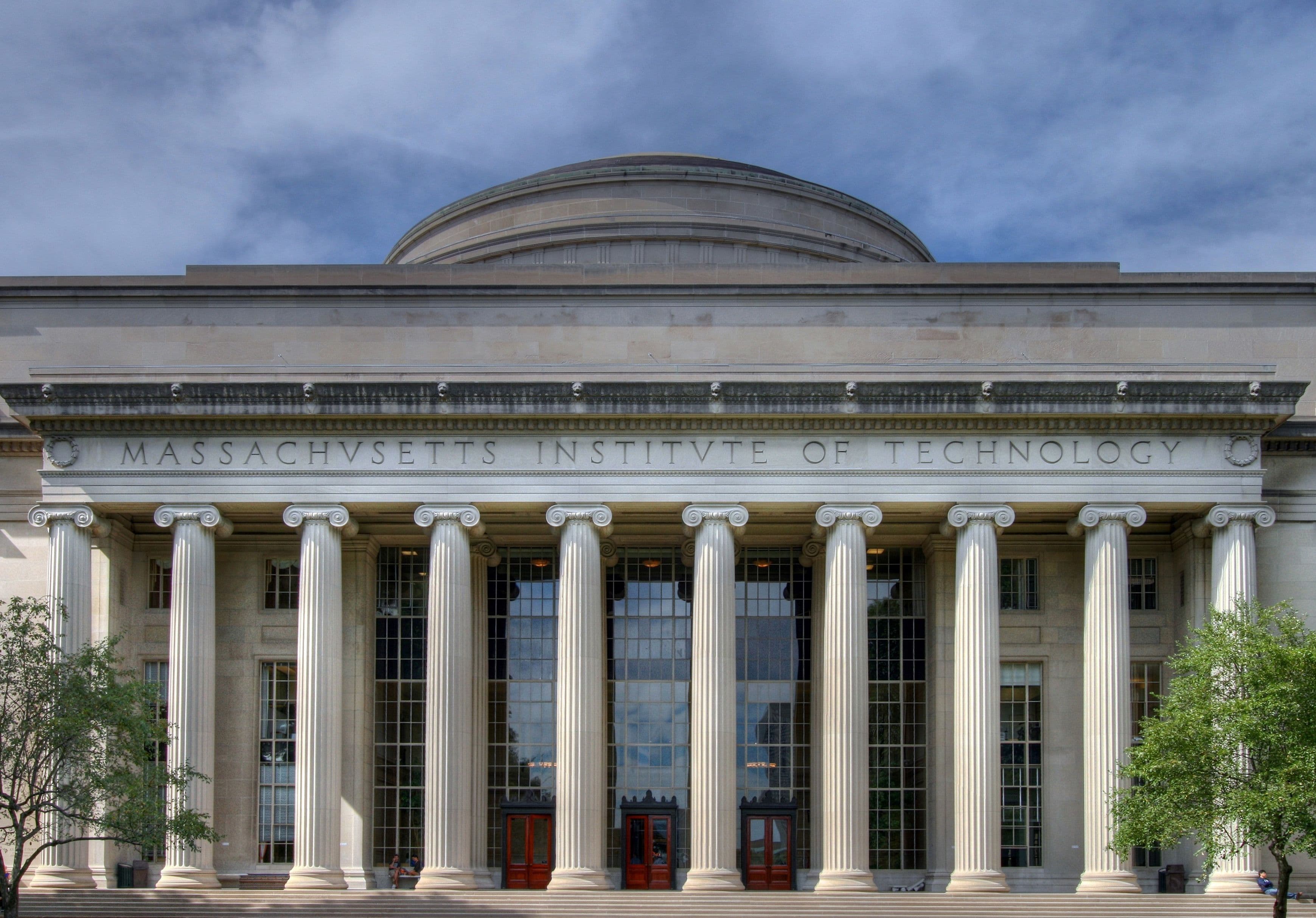
Massachusetts Institute of Technology (MIT)
Cambridge, United States
Master of Science · Full-time · On Campus
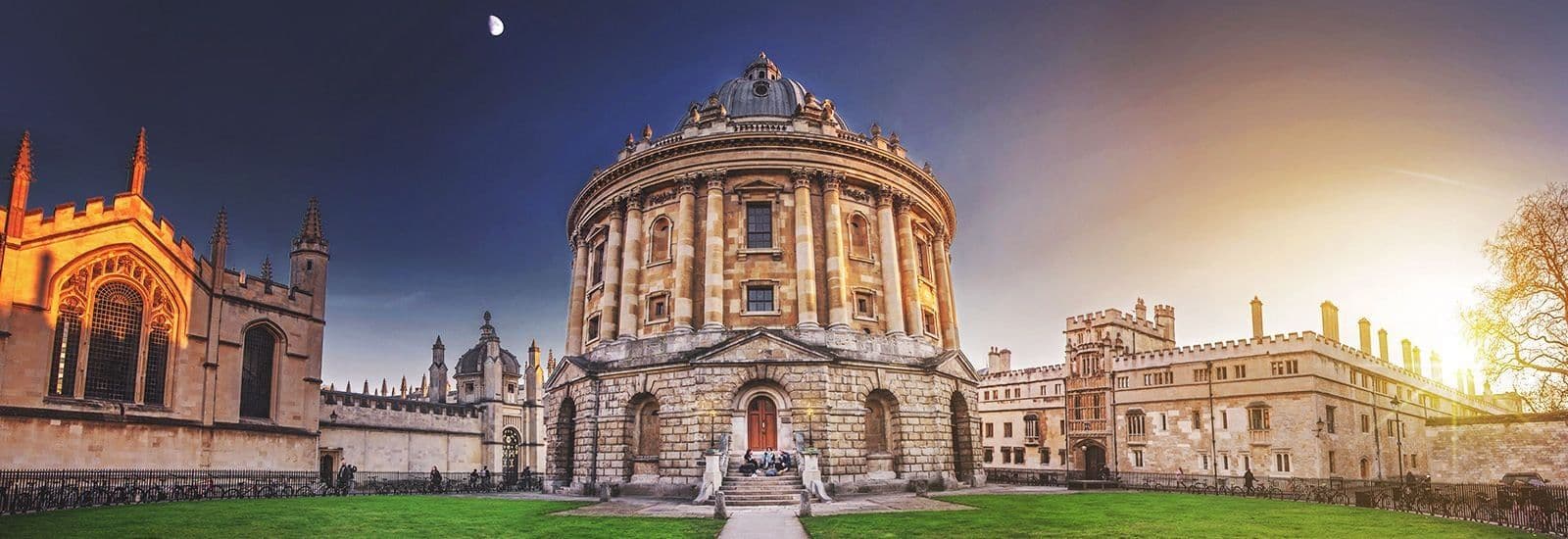
University of Oxford
Oxford, United Kingdom
Master of Engineering (Integrated Undergraduate Degree) · Full-time · On Campus

Imperial College London
London, United Kingdom
Studying Computer Science is more than learning how to code — it’s about understanding the systems, data, and technologies that shape the digital world. By choosing the right program and institution, you’ll gain technical expertise, analytical skills, and hands-on experience to solve real-world problems. Whether you aim to design cutting-edge software, advance artificial intelligence, protect data through cybersecurity, or innovate in cloud and big data solutions, this field opens doors to a versatile, future-proof, and impactful career. 🌍💻


.webp&w=1920&q=75)