
The ultimate guide to studying in Austria in 2025


🇦🇹 Overview: Study in Austria
Austria is a hidden gem in the heart of Europe for international students seeking high-quality, affordable, and globally recognized education. With its vibrant culture, historical cities, and safe environment, Austria offers an ideal setting for both academic and personal growth.
Home to some of the oldest universities in Europe, Austria combines academic tradition with modern innovation. International students benefit from low tuition fees at public universities, strong support services, and opportunities to study in both German and English.
🎯 Whether you prefer a bustling capital like Vienna or a quiet Alpine town, Austria provides a world-class education in a unique European setting.
🌟 Why Study in Austria?
🌍 Central European Location – Travel easily across Europe while studying in a Schengen country.
🎓 High-Quality Education – Home to prestigious institutions like University of Vienna, TU Wien, and University of Innsbruck.
💶 Affordable Tuition – Public universities charge modest fees, even for non-EU students.
🗣️ Multilingual Programs – Study in English or improve your German through immersive learning.
🔒 Safe & Stable – One of the safest countries in the world with a high standard of living.
🏞️ Rich Culture & Nature – Experience classical music, architecture, skiing, and breathtaking Alpine landscapes.
💸 Tuition & Costs: Study in Austria
Austria offers a high-quality education at a relatively low cost, making it one of the most affordable study destinations in Europe. While tuition fees vary depending on nationality and institution type, living expenses are generally moderate and manageable for international students.
🎓 Tuition Fees
Public universities in Austria are highly accessible in terms of cost. For students from EU or EEA countries, education at public institutions is essentially free — they are only required to pay a small student union and accident insurance fee, usually between €20 and €75 per semester.
Non-EU/EEA students typically pay around €726.72 per semester at public universities, plus the same student union fee. However, some universities waive tuition fees for specific nationalities or under special scholarship or partnership agreements.
Private universities in Austria set their own tuition rates, which are generally higher and range from approximately €3,000 to €23,000 per year. These institutions may also offer English-taught programs and more individualized academic support.
🏠 Living Expenses
Monthly living costs in Austria depend largely on the city and your personal lifestyle. On average, students should plan for around €900 to €1,300 per month. This includes rent, groceries, transportation, health insurance, and other daily expenses.
Vienna, as the capital, tends to be more expensive, while cities like Graz, Innsbruck, or Linz are slightly more affordable. Student dormitories and shared apartments are popular housing options and help reduce costs significantly.
🧮 Budget Planning Tips
To keep expenses manageable, students are encouraged to apply for dormitory housing through organizations like ÖAD, take advantage of discounted transportation passes, and plan ahead for one-time costs such as visa fees, travel expenses, and textbooks. Health insurance for international students is also mandatory but relatively affordable (around €60–€80/month).
Additionally, non-EU students are allowed to work up to 20 hours per week with a work permit, which can help support their living costs during their studies.
🛂 Visa & Work Opportunities for International Students in Austria
International students from non-EU/EEA countries must apply for a residence permit or student visa before beginning their studies in Austria. The good news is that Austrian immigration law allows students not only to stay for the duration of their studies but also to work part-time and remain in the country after graduation for job searching.
💡 With proper planning and documentation, you can legally work during your studies and explore long-term career opportunities in Austria.
📌 Austrian Visa Types for Students
🎓 Visa D (Student Visa)
- Required if your stay is less than 6 months
- Usually used for exchange programs, language courses, or short-term studies
- Does not include a residence permit
📄 Residence Permit – "Aufenthaltsbewilligung – Student"
- Required for full-time degree programs lasting more than 6 months
- Must be applied for before entering Austria (at the embassy/consulate)
- Valid for one year and renewable annually
- Requires proof of admission, accommodation, health insurance, and financial means (~€1,200/month)
💼 Working During Studies
Students with a valid residence permit are allowed to work in Austria under the following conditions:
✅ EU/EEA Students
- Can work without restriction
- No special work permit required
✅ Non-EU/EEA Students
- May work up to 20 hours per week during the academic year
- Must obtain a work permit (Beschäftigungsbewilligung) from the Public Employment Service (AMS)
- In most cases, the employer applies for the permit on the student’s behalf
- Full-time work is allowed during official university breaks (e.g., summer holidays)
💡 Internships that are mandatory as part of the study program often do not require a separate work permit.
🎯 After Graduation: Stay and Work in Austria
Austria offers international graduates the chance to remain in the country and look for employment.
🕐 Job-Seeking Residence Permit
- Graduates from Austrian universities can apply for a 12-month job-seeking permit
- During this period, you may stay and search for employment related to your qualifications
🔁 Red-White-Red Card (Rot-Weiß-Rot Karte)
- If you find a suitable job, you can apply for this work and residence permit
- Issued based on a points system (qualifications, language, salary, etc.)
- Valid for 24 months and renewable
🧠 Compliance Tips for International Students
- Maintain full-time enrollment at a recognized Austrian institution
- Ensure health insurance is valid at all times
- Keep your address registered (Meldezettel) and up to date
- Never work beyond your authorized limits without a permit
- Begin residence permit renewals at least 3 months before expiry
🏛️ Top Universities in Austria
Austria may be a small country, but it boasts some of the most historic and research-oriented universities in Europe. With a tradition of academic excellence, a wide range of English-taught programs, and strong international collaboration, Austrian universities are increasingly popular among global students.
🎓 Several Austrian universities are consistently ranked in the Top 500 globally by QS and Times Higher Education (THE), particularly for humanities, natural sciences, and engineering.
🌟 Leading Austrian Universities for International Students
- University of Vienna (Universität Wien)
- Founded in 1365, one of the oldest and largest universities in Europe
- Known for humanities, social sciences, law, and philosophy
- Located in Vienna with a vibrant international student community
- Vienna University of Technology (TU Wien)
- Top-ranked for engineering, computer science, and architecture
- Strong focus on applied research and innovation
- Located in the capital, with deep ties to industry and EU tech projects
- University of Innsbruck (Leopold-Franzens-Universität Innsbruck)
- Surrounded by the Alps, offers strong programs in natural sciences, sports science, and economics
- Renowned for international mobility programs and English-taught Master’s degrees
- University of Graz (Karl-Franzens-Universität Graz)
- Austria’s second-largest university
- Focus areas include environmental science, law, and humanities
- Known for interdisciplinary research and cross-border cooperation
- Johannes Kepler University Linz (JKU Linz)
- Leading modern university with a focus on STEM, law, and social sciences
- Offers cutting-edge programs in Artificial Intelligence and digital technologies
🧭 Other Highly Regarded Institutions
- University of Salzburg – Strong in communication studies, theology, and natural sciences
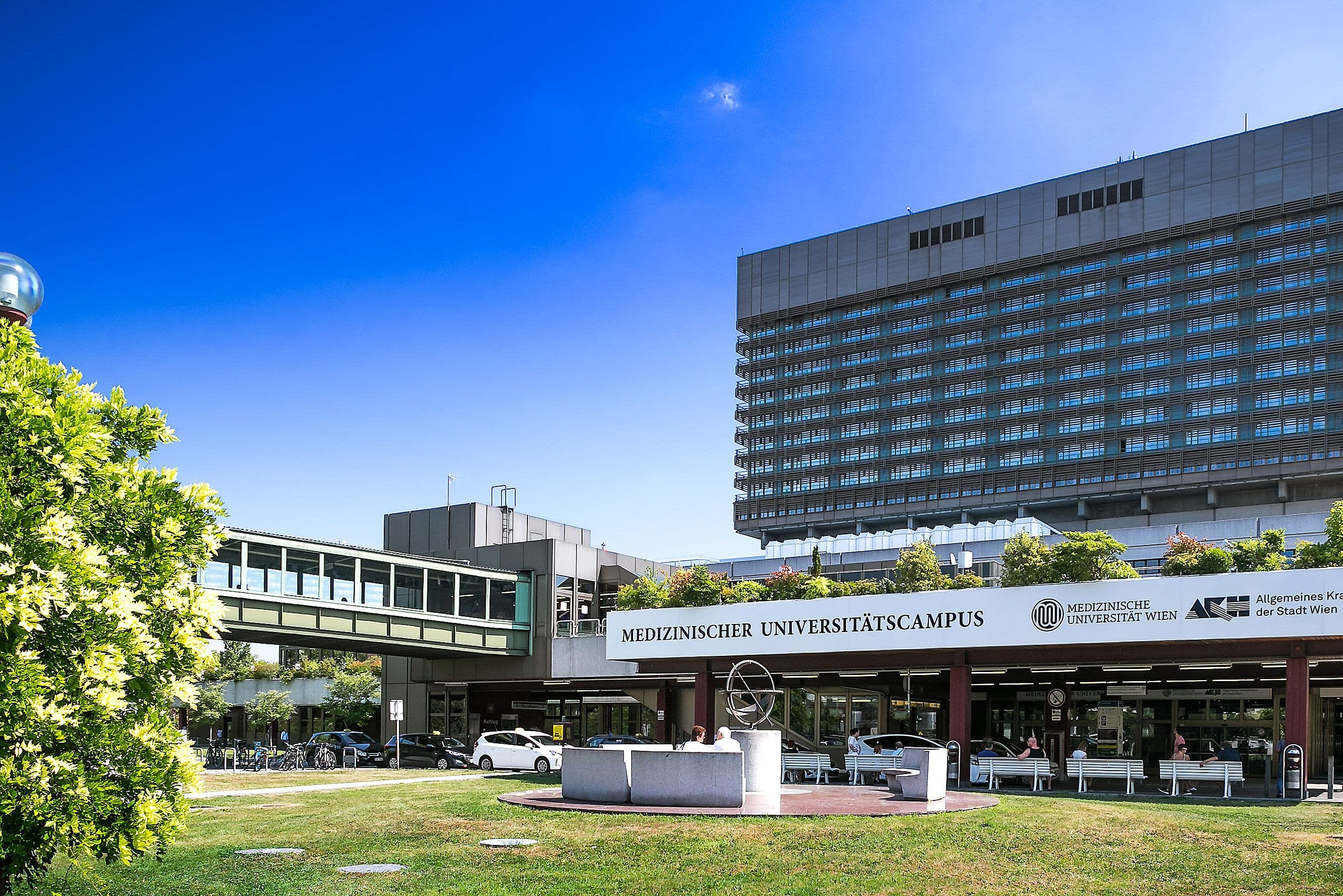
- Medical University of Vienna – One of Europe’s leading medical research universities
- MODUL University Vienna – Private university specializing in tourism, hospitality, and sustainability
- Webster Vienna Private University – U.S.-accredited, business-focused programs
- University of Applied Sciences (Fachhochschulen) – Practice-oriented programs in IT, media, health, and engineering
💡 Many Austrian universities participate in Erasmus+ and international exchange programs, and some offer English-taught Bachelor’s and Master’s programs tailored to international students.
🔍 How to Explore Rankings & Programs
- QS World University Rankings
- Times Higher Education (THE)
- Study in Austria (official site)
- University-specific portals (e.g. u:find, JKU online)
🗣️ English Requirements for Studying in Austria
While German is the primary language of instruction in Austria, an increasing number of universities now offer full-degree programs in English — especially at the Master’s level. If you plan to enroll in an English-taught program, you’ll need to demonstrate your language proficiency through a standardized test recognized by Austrian institutions.
🎯 Each university and program may have its own specific requirements, so always check the official website of the program you’re applying to.
✅ Most Commonly Accepted English Tests
- IELTS Academic
- Accepted by nearly all Austrian universities
- Typical minimum score: 6.0–6.5 overall, with no band below 5.5
- Computer-based and paper-based formats available
- TOEFL iBT
- Widely recognized by Austrian universities, especially in technical and international programs
- Minimum score typically: 80–95
- Home Edition often accepted (check per institution)
- Cambridge English Exams (C1 Advanced / C2 Proficiency)
- Many universities accept C1 Advanced (CAE) and C2 Proficiency (CPE) as valid proof
- Recognized for academic and visa purposes
- Duolingo English Test (DET)
- Accepted by a growing number of universities, though not universal
- Minimum scores usually range from 105 to 120
🔄 Alternatives & Exemptions
Some universities may waive formal test requirements if:
- You have completed your previous education in English (e.g., high school or Bachelor’s degree)
- You are a native English speaker from an approved country
- You attend a pathway or preparatory program in Austria with integrated language instruction
- You apply for conditional admission with required participation in an English or German preparatory course
💡 Some universities also accept other exams like PTE Academic or SAT Evidence-Based Reading & Writing as secondary proof.
📍 Example: TU Wien Master’s in Computer Science
- Accepted exams: IELTS (min. 6.5), TOEFL iBT (min. 92), Cambridge C1/C2
- Duolingo NOT accepted
- Waiver possible for previous English-medium education
🧠 Tips for Applicants
- Take your language test at least 3–6 months before your application deadline
- Test results are typically valid for 2 years
- Always upload official score reports or have them sent directly to the university
- If unsure, contact the international admissions office of your chosen university
📝 Application Process: How to Apply to Austrian Universities
Applying to a university in Austria as an international student involves several steps, from choosing your program to meeting language and document requirements. While the process can vary slightly between institutions, most universities follow a standardized framework for both Bachelor’s and Master’s programs.
🎯 Austrian universities typically have two main intakes: Winter semester (starting in October) and Summer semester (starting in March/April). Preparing your application at least 6–9 months in advance is strongly recommended.
✅ Step-by-Step Guide to Applying
1. Choose Your Program and Institution
Start by exploring universities and degree programs on trusted platforms such as Study in Austria, university websites, or international program listings like Erasmus+ or u:find (University of Vienna’s course portal). Focus on:
- Field of interest and academic focus
- Language of instruction (German or English)
- Entry requirements and tuition fees
- Location and student support services
2. Check Admission Requirements
Each university sets its own admission criteria. Common requirements include:
- Recognized secondary school certificate (for Bachelor’s) or Bachelor’s diploma (for Master’s)
- Transcripts of records
- Proof of English or German proficiency (depending on the language of instruction)
- Passport copy
- Motivation letter or statement of purpose (especially for Master's programs)
- CV (usually for graduate programs)
- Proof of financial means (especially for non-EU applicants)
- Some universities may require entrance exams or interviews
For non-EU students, additional documents such as legalized diplomas or a university admission confirmation from the home country may be needed.
3. Apply via the University’s Online Portal
Austria does not use a centralized platform like the U.S. Common App. Instead, you apply directly to each university through their online application portals or by post (depending on the institution).
- Create an online account and complete your profile
- Upload the required documents in PDF format
- Submit the application before the official deadline
- Pay the application processing fee if applicable (some universities are free to apply)
4. Wait for Admission Decision
Processing times vary, but you can expect a decision within 4–8 weeks. If admitted, you’ll receive an official Zulassungsbescheid (admission letter), which is essential for applying for your student residence permit.
5. Apply for a Residence Permit
With your admission letter in hand, begin your visa/residence permit application process. This step involves proving financial means, health insurance coverage, and accommodation in Austria.
📆 Application Timelines
- Winter Semester (October Start)
Application opens: March–June
Deadline: typically July 15 (earlier for non-EU students) - Summer Semester (March/April Start)
Application opens: November–December
Deadline: typically January 15
Note: Deadlines can vary by university and program. Always check the specific dates on the official university website.
📌 Tips for a Strong Application
- Start early and gather all required documents in advance
- Translate and legalize your documents if required (with Apostille)
- Write a clear and tailored motivation letter for each program
- Demonstrate language proficiency with official test scores
- Stay in contact with the university’s international office for updates or document clarifications
🎓 Scholarships & Funding for International Students in Austria
Austria offers several scholarship and funding opportunities for international students, especially those from non-EU countries. While tuition fees at public universities are already low, many students benefit from partial or full scholarships provided by the Austrian government, universities, and international organizations.
💡 Austria is part of the European Higher Education Area (EHEA), which allows for broad access to EU-wide funding programs and international exchange initiatives.
💰 Types of Scholarships Available
1. 🎯 Merit-Based Scholarships
Awarded based on academic performance, research potential, or special achievements. These are typically offered by universities or state foundations.
- Example: Scholarship of the University of Vienna for Achievement (Leistungsstipendium)
- Open to high-performing students in advanced stages of study
- Usually partial grants (e.g. €750–€1,500 per semester)
2. 💡 Need-Based or Social Scholarships
Offered to students facing financial hardship or from low-income backgrounds.
- Example: Federal Aid for Students (Studienbeihilfe)
- Available to eligible students living in Austria, based on residence status and financial criteria
- Amount depends on personal/family income and living situation
3. 🌐 OeAD Scholarships (Austrian Agency for Education and Internationalisation)
Austria’s official platform for international scholarships — suitable for Bachelor’s, Master’s, PhD, and short-term research.
- Example: Ernst Mach Grant
↳ For non-EU/EEA students pursuing postgraduate studies or research
↳ Monthly stipend (~€1,050–€1,150), travel allowance, and health insurance
↳ Duration: 1–9 months (research or full study) - Example: Scholarships of the Scholarship Foundation of the Republic of Austria
↳ Available to students from non-EU countries
↳ Fields: humanities, sciences, art
↳ Covers monthly living costs and insurance
4. 🏛️ University-Specific Scholarships
Many Austrian universities offer their own funding options for international students — some based on academic merit, others on project work or thesis topics.
- TU Wien: Scholarships for female students in technical programs
- University of Graz: Grants for thesis work or exchange semesters
- MODUL University Vienna: Merit-based tuition reductions for Bachelor’s and Master’s students
💡 How to Increase Your Chances
- Start searching at least 6–9 months before your intended start date
- Use the official OeAD scholarship database: grants.at
- Maintain a strong academic record
- Submit a well-written motivation letter and research/project plan
- Ask for strong recommendation letters
- Watch out for early deadlines — many grants close by March or April for October entry
🏛️ Campus Life & Culture
Austrian universities offer more than just academics. While campus life is typically less centralized than in the U.S., students are encouraged to get involved in various clubs, events, and cultural activities.
- Student unions (ÖH – Österreichische HochschülerInnenschaft) organize parties, seminars, film nights, and social events
- Opportunities to join student initiatives, local volunteer programs, or political groups
- International weeks, language cafés, and orientation days help with integration
- Access to university sports centers, libraries, and music/art events
📍 Tip: Join the Erasmus Student Network (ESN) or international student offices to connect with others and participate in excursions, cultural exchange nights, and city tours.
🏠 Student Housing Options
Housing in Austria is generally organized independently of the universities, but many institutions collaborate with student dormitory providers.
1. Student Dormitories (Studentenheime):
- Managed by organizations like ÖAD Housing or WIHAST
- Fully furnished rooms with shared kitchens and laundry
- Monthly rent ranges from €300 to €500, depending on the city and room type
- Popular among first-year and international students
2. Private Apartments (WGs):
- Shared apartments (Wohngemeinschaften) are common among students
- Offers more independence, but requires early search and sometimes German communication
- Average rent per room: €400–€700, higher in Vienna
Useful platforms: Willhaben, WG-Gesucht, HousingAnywhere, ÖAD Housing
🏥 Health Insurance
Health insurance is mandatory for all students in Austria.
- EU/EEA students can use their European Health Insurance Card (EHIC)
- Non-EU students must enroll in Austrian public student insurance (ÖGK or similar)
- Monthly premium: around €60–€80
- Covers doctor visits, hospitalization, emergency care, and prescriptions
Most universities assist students during enrollment by providing information about suitable health plans.
🌐 Diversity & Inclusion
Austria is increasingly international, especially in cities like Vienna, Graz, and Innsbruck. Universities are actively working to create inclusive and multicultural campuses:
- Orientation weeks and buddy programs for newcomers
- Language and integration support for non-German speakers
- Faith-friendly spaces and cultural events
- Mental health and academic advising services available through university centers
📱 Useful Apps for Students in Austria
- ÖBB / Scotty – Train and public transit schedules
- Too Good To Go – Discounted food from restaurants and bakeries
- Studo App – University schedule, grades, and class notifications
- KommGutHeim – Night travel safety companion app
- Signal / WhatsApp – Common messaging tools for international groups
💼 Internships & Jobs for International Students in Austria
Gaining work experience while studying in Austria can be a valuable part of your academic journey. It not only helps you integrate into the local culture but also builds professional skills and enhances your future career prospects. While EU/EEA students have free access to the labor market, non-EU/EEA students can work under certain conditions with proper authorization.
💡 Part-time jobs, internships, and post-study work permits are all possible — with the right planning and permits.
🏫 On-Campus & Part-Time Employment
EU/EEA Students
- Allowed to work without restriction in Austria
- Can freely apply for student jobs, internships, or freelance work
Non-EU/EEA Students
- Allowed to work up to 20 hours per week during the semester
- Must have a valid student residence permit
- Also require a work permit (Beschäftigungsbewilligung), which is usually applied for by the employer through the Public Employment Service (AMS)
Typical part-time jobs include:
- Administrative support at university
- Cafeteria or library work
- Tutoring or research assistance
- Retail, hospitality, and event jobs in larger cities
📍 Tip: Begin your job search early in the semester, as part-time positions can fill up quickly in student-heavy cities like Vienna or Graz.
🔄 Internships (Praktika)
Internships in Austria can be voluntary or compulsory (if required by your academic program). The rules vary depending on type:
- Compulsory internships as part of a degree program often do not require a separate work permit
- Voluntary internships (e.g. during summer) may require a work permit and must follow labor regulations
- Paid internships are subject to Austrian labor law, including minimum wage and social insurance contributions
💡 Always confirm with your university if the internship is credit-bearing or fulfills degree requirements.
🎯 Post-Graduation Employment
International graduates of Austrian universities can remain in the country to look for work through:
12-Month Job-Seeking Residence Permit
- Apply after graduation with proof of completed studies
- Allows full-time job search and temporary employment
- You must find a job that aligns with your academic background
Red-White-Red Card (Rot-Weiß-Rot Karte)
- Long-term residence and work permit for skilled professionals
- Issued based on a points system (education, salary, German skills, age)
- Initial validity: 24 months; renewable
📌 Graduates of Austrian institutions often benefit from simplified criteria when applying for the Red-White-Red Card.
🔍 Finding Internships & Jobs
Popular job and internship platforms in Austria:
- StudentJob.at – Part-time and summer jobs
- Karriere.at – Internships, graduate roles
- StepStone.at – Professional job listings
- Willhaben.at – Local part-time and student jobs
- University career services – Listings and career fairs
🎯 After Graduation: Stay, Work & Settle in Austria
Graduating from an Austrian university opens the door to valuable post-study work and settlement opportunities. Whether you aim to gain professional experience, start a career in the EU, or eventually apply for permanent residency, Austria offers a structured and accessible path for international graduates.
💡 Austria supports a “study → work → residency” model that encourages international talent to remain and contribute to the local workforce, especially in skilled fields like STEM, healthcare, business, and research.
✅ Step 1: Job-Seeking Residence Permit (12 Months)
After completing your degree at an Austrian university or university of applied sciences (Fachhochschule), you can apply for a 12-month job-seeking residence permit ("Aufenthaltsbewilligung zur Arbeitsplatzsuche").
- Must be applied for before your current student permit expires
- Requires proof of graduation and sufficient financial means (approx. €1,200/month)
- You may work part-time or freelance while actively seeking full-time employment
- Once you find a qualified job, you can transition to a work visa or Red-White-Red Card
📍 Tip: Apply through your local immigration office (MA 35 in Vienna) or Austrian embassy if you’re abroad.
💼 Step 2: Red-White-Red Card (Rot-Weiß-Rot Karte)
This is Austria’s main skilled work and residence permit for non-EU citizens.
Graduates of Austrian higher education institutions benefit from simplified eligibility when applying:
- No professional experience required (unlike standard applicants)
- Valid job offer in your field is sufficient
- Minimum gross monthly salary (as of 2025): ~€2,800 (for university graduates under 30)
- Points are awarded for education, German or English skills, age, and demand for profession
- Initial validity: 24 months, renewable
📌 Once granted, you can live and work in Austria with full labor market access.
🏡 Step 3: Permanent Residence & Settlement
After several years of legal stay and integration in Austria, you may be eligible for long-term settlement or permanent residency.
❖ Long-Term Residence – EU (Daueraufenthalt EU)
- Requires 5 years of uninterrupted legal residence in Austria
- Integration proof: German at A2 or B1 level
- No criminal record or social security gaps
- Grants long-term residency status and broader EU work mobility
❖ Austrian Citizenship (Optional)
- Typically after 6–10 years of residence
- Requires B2 level German, full integration, and renunciation of previous citizenship (exceptions apply)
🧠 Tips for a Smooth Transition After Graduation
- Start preparing for your job-seeking permit before graduation
- Strengthen your German skills — required for many long-term permits
- Stay in touch with your university career services for job leads
- Track your residence status closely — apply for renewals early
- Seek support from ÖIF (Austrian Integration Fund) or local expat legal services if needed


-1.png&w=640&q=75)
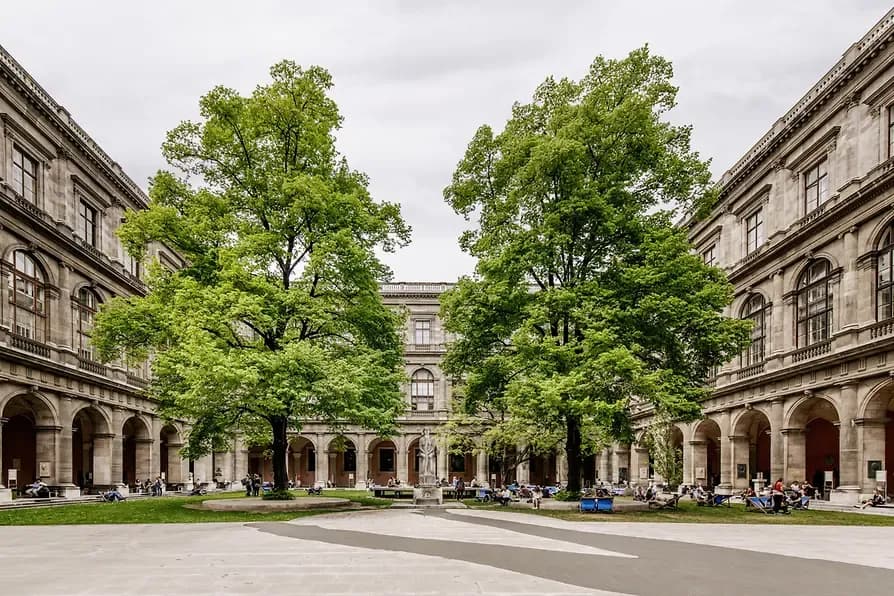
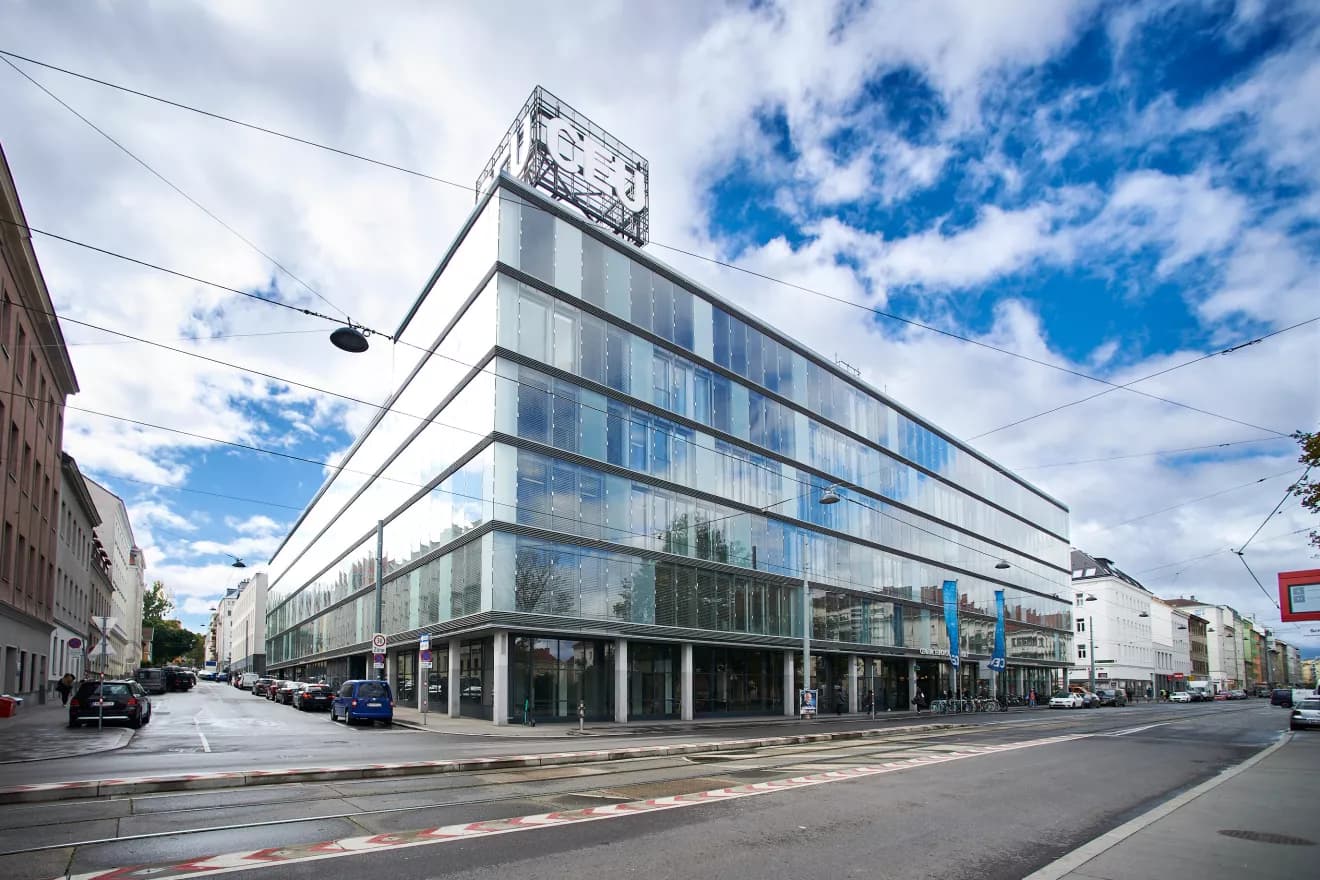
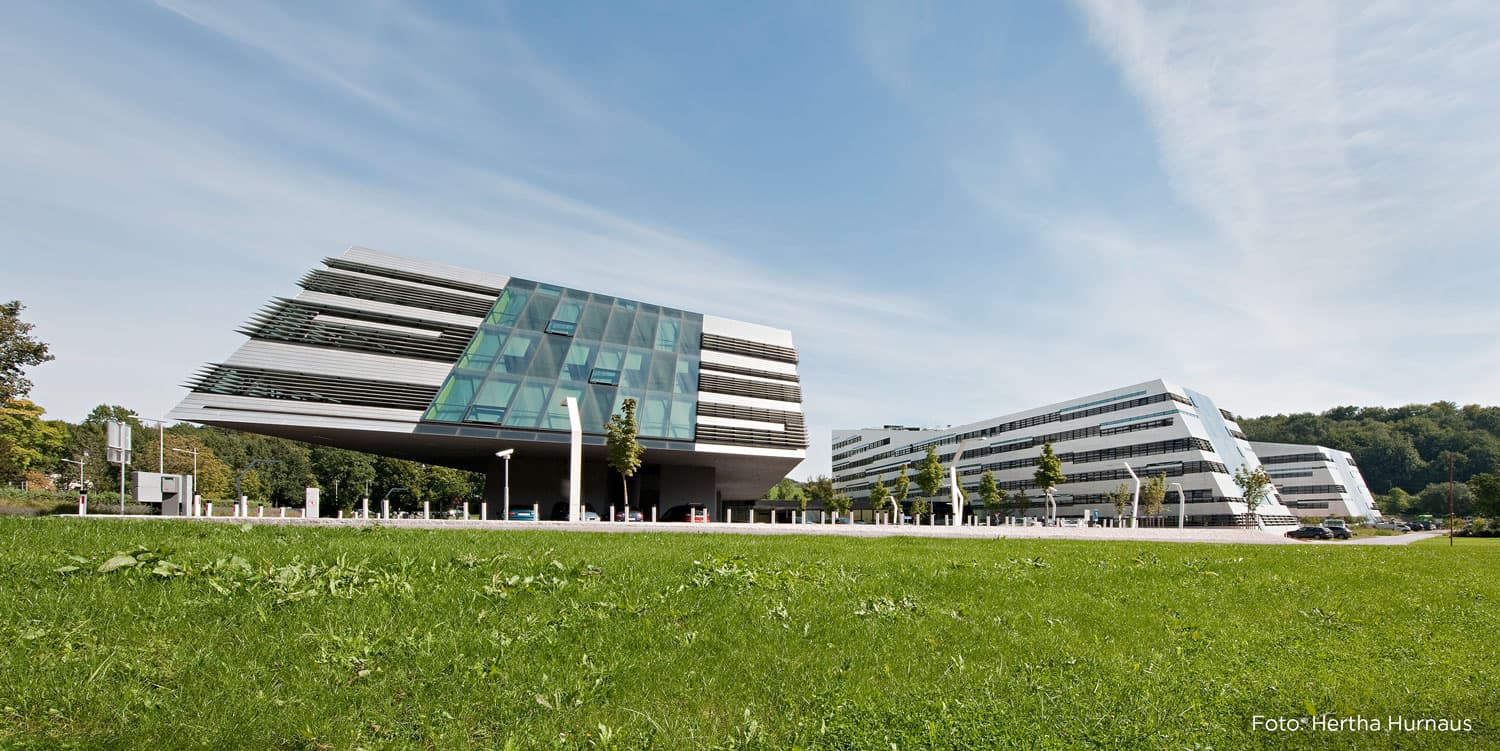
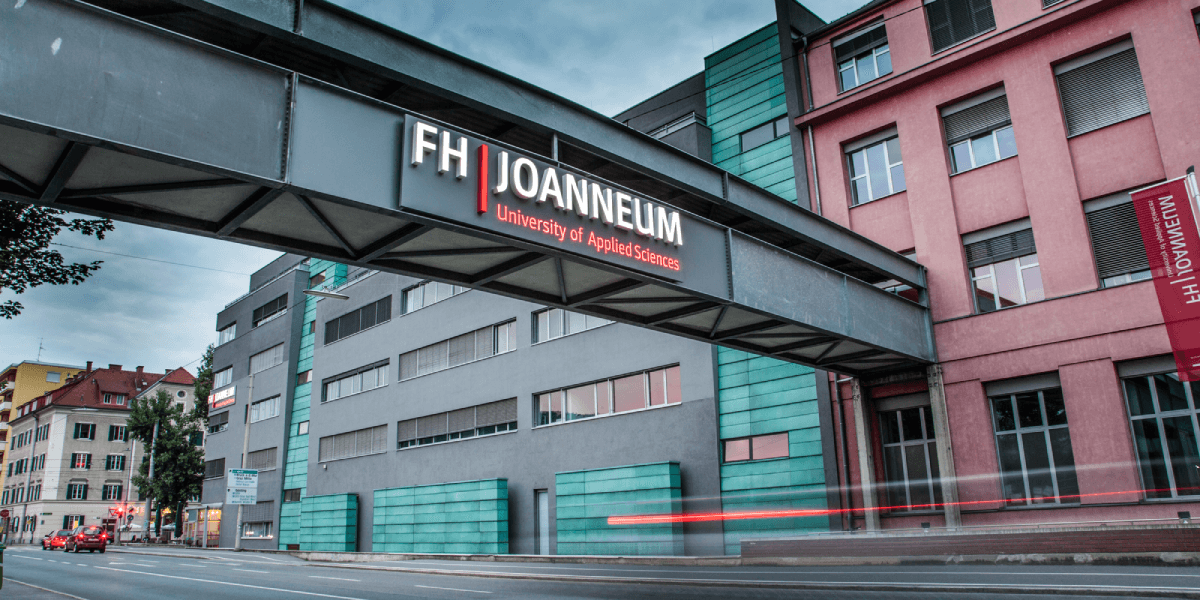
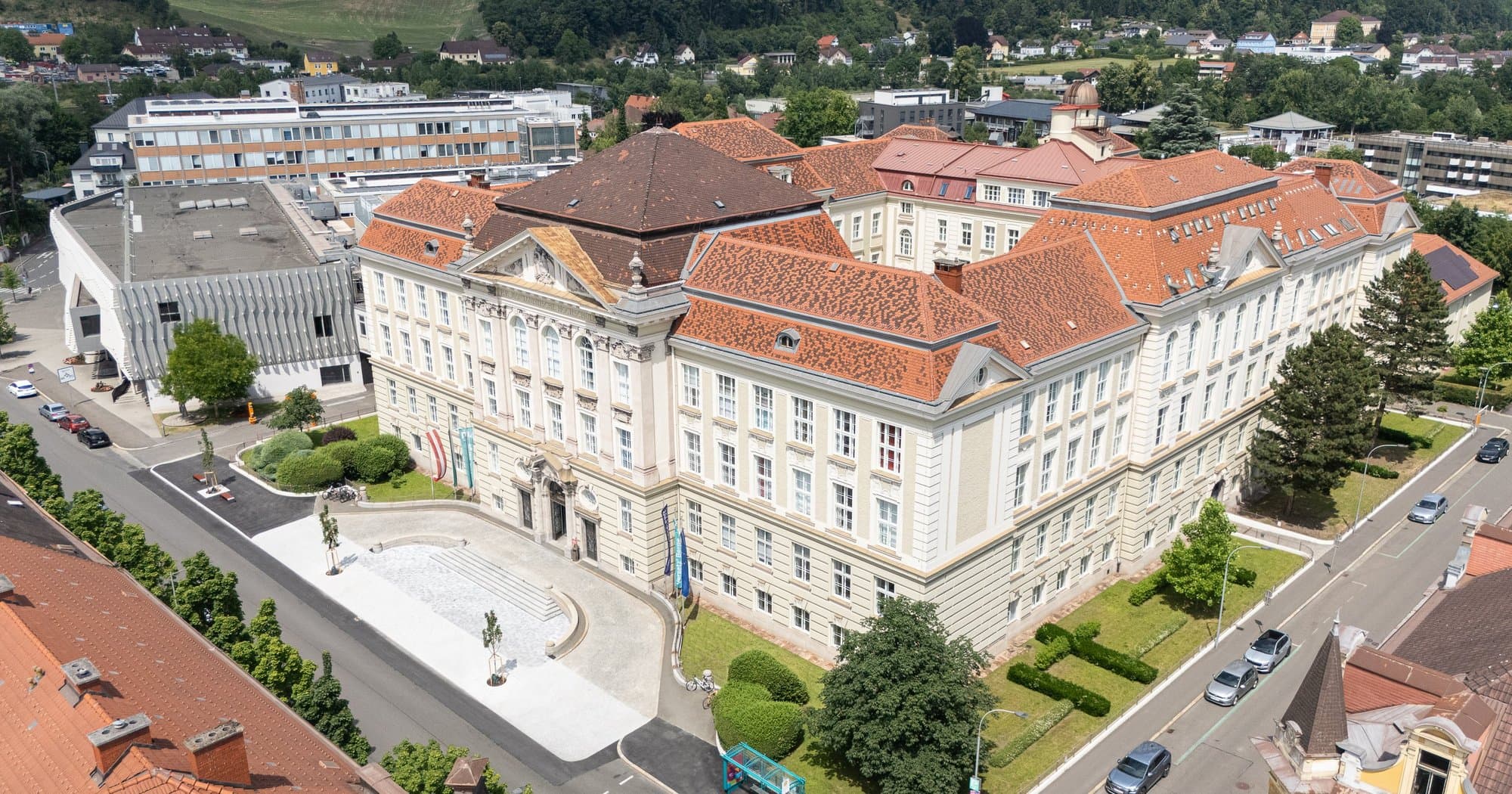
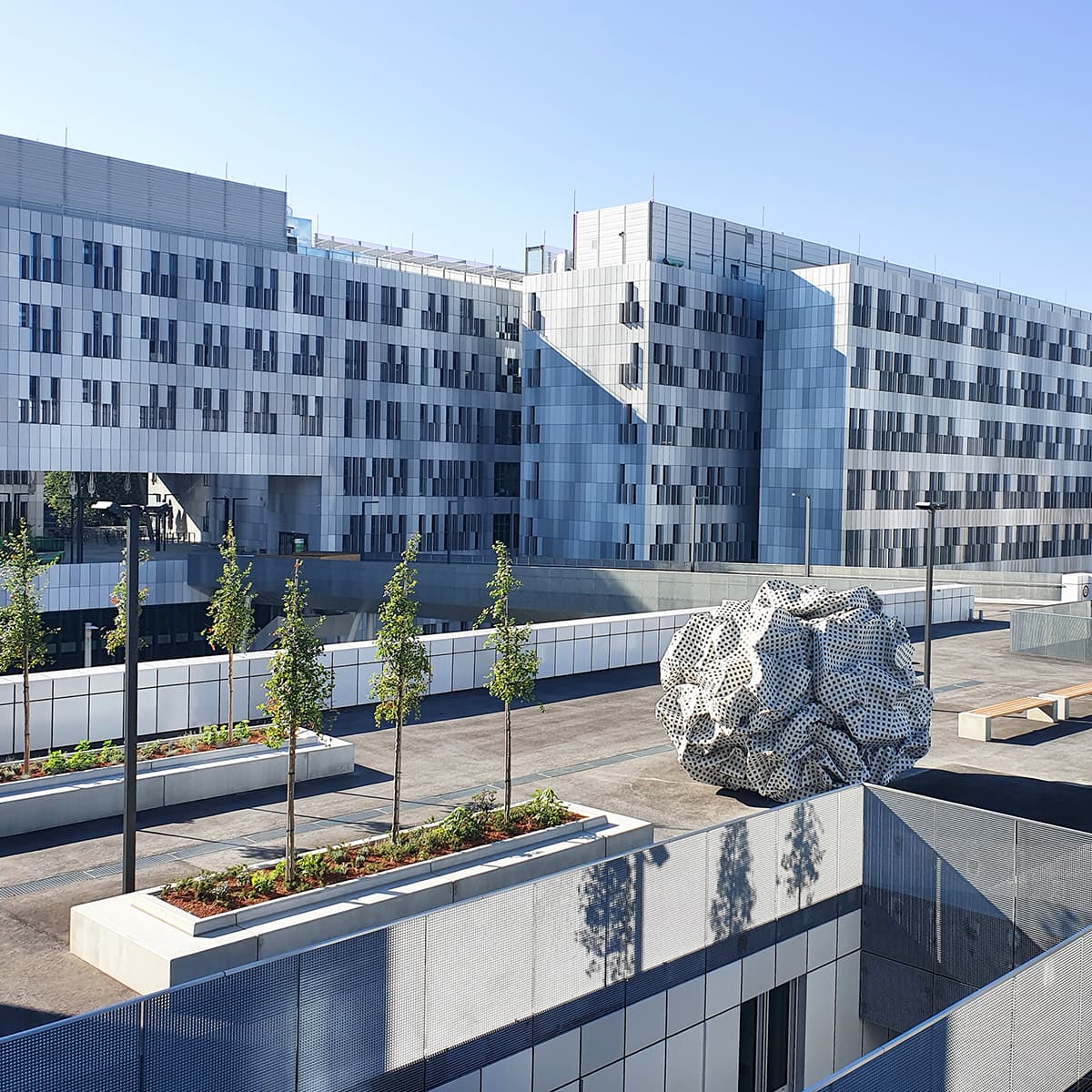
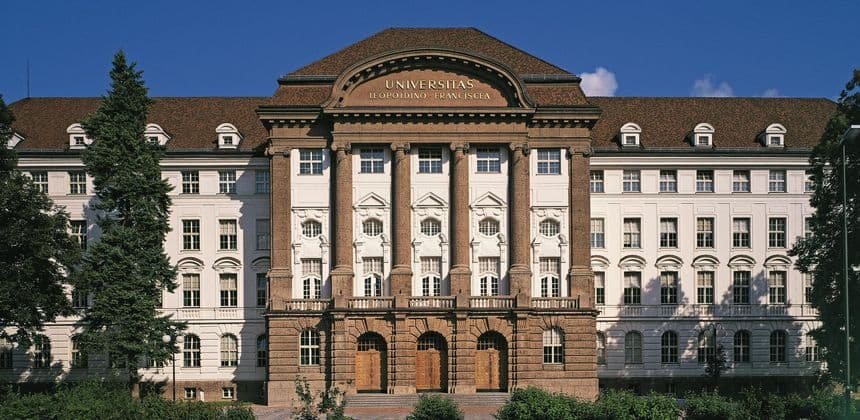
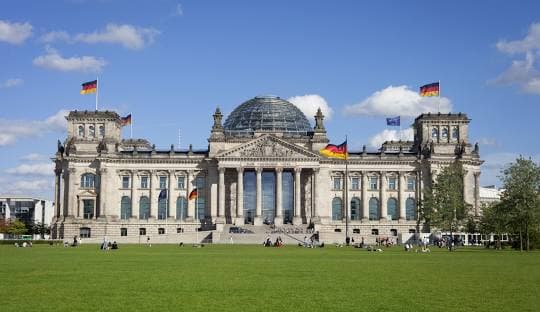
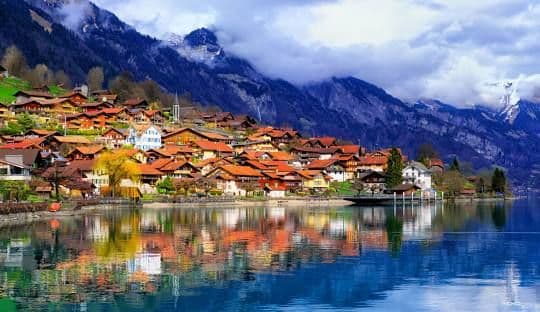
Dive into Austria, where centuries-old traditions blend seamlessly with cutting-edge academics. From the historic halls of the University of Vienna to modern research hubs in Linz and Graz, Austria offers world-class education in the heart of Europe. Affordable tuition, vibrant cities, and breathtaking Alpine scenery make Austria a top destination for ambitious international students.
