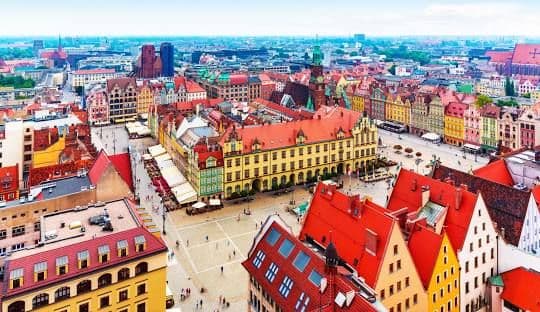
The ultimate guide to studying in Poland in 2025


🇵🇱 Overview: Study in Poland
Poland is an increasingly popular destination for international students, attracting over 85,000 students from around the world. Known for its affordable education, rich academic heritage, and central European location, Poland offers an excellent mix of tradition and innovation.
Home to centuries-old universities like the University of Warsaw and Jagiellonian University, as well as modern technical institutes, Poland provides high-quality education in English across fields such as medicine, engineering, business, IT, and social sciences.
🎯 Whether you're looking for budget-friendly tuition, a strong academic reputation, or a vibrant student lifestyle, Poland is a smart choice for global learners.
🌟 Why Study in Poland?
🌍 European Recognition – Degrees are recognised across the EU and worldwide
🎓 Affordable Tuition – Study at top universities with low tuition and living costs
💼 Work Opportunities – International students can work during studies and apply for post-study permits
🏛️ Historic & Modern Universities – Includes University of Warsaw, Jagiellonian University, Warsaw University of Technology
🌆 Dynamic Cities – Live in Warsaw, Kraków, Wrocław or student-friendly towns like Lublin and Poznań
💸 Tuition & Costs: Study in Poland
Studying in Poland offers a high-quality European education at a much more affordable cost compared to Western countries. With low tuition fees, budget-friendly living, and access to scholarships, Poland is a smart financial choice for international students.
🎓 Tuition Fees
There are two types of institutions in Poland that offer programs in English:
- Public Universities
- Tuition for international students: €2,000 – €4,000 per year
- Example: University of Warsaw, Warsaw University of Technology
- Private Universities
- Tuition can range from €3,000 €6,000 per year, depending on the program
- Example: Vistula University, Lazarski University
💡 Some universities offer tuition discounts for early applicants or top-performing students. See the Scholarships & Funding section for more.
🏠 Living Expenses
Poland is one of the most affordable countries in Europe for students. Monthly living costs range from €500 to €800, depending on the city and lifestyle.
Typical Monthly Budget:
Expense Category Monthly Estimate
Rent & Utilities €250–€450
Food & Groceries €150–€250
Transportation €20–€50 (with student pass)
Health Insurance €15–€50
Personal Expenses €50–€100
Total (avg.) €600/month
📍 Cities like Warsaw and Kraków are slightly more expensive, while Lublin or Białystok offer lower living costs.
🧮 Budget Planning Tips
- Apply for student dormitories (often below €200/month)
- Use public transport with a student card
- Take advantage of Erasmus+ grants or part-time jobs
- Plan for initial costs like visa fees, registration, and travel
🛂 Visa & Work Opportunities for International Students in Poland
To study in Poland, most international students need a national (D-type) student visa, which allows them to stay for more than 90 days and pursue full-time education. This visa also provides the opportunity to work part-time and apply for residence permits.
With the right planning, students can legally work during their studies and explore post-graduation pathways — including temporary residence and work permits.
📌 Student Visa (Type D)
Issued to students enrolled in full-time academic programs at recognised Polish universities.
Key Requirements:
- Official acceptance letter from the university
- Proof of financial means (approx. €7,800 per year)
- Valid health insurance
- Proof of accommodation
- Completed the visa application form and biometric photo
🕐 Visa duration: usually issued for up to 1 year, renewable within Poland
🛬 You must apply through the Polish consulate or embassy in your home country
💡 After arrival, you must apply for a Temporary Residence Permit at the local Voivodeship Office (Wojewoda) to stay legally for more than 90 days.
💼 Working During Studies
International students in Poland are allowed to work without a separate work permit if they:
- Hold a valid student visa or residence permit
- Are enrolled in a full-time program at a recognised institution
Work Limits:
- Up to 20 hours/week during the academic year
- Full-time during holidays
📝 No need for a work permit during studies if you meet the criteria above.
🎓 After Graduation: Stay & Work in Poland
Graduates of Polish universities can apply for a Temporary Residence Permit to search for a job or start working.
Options include:
- Temporary Stay Card (Karta Pobytu) – allows job seeking or employment for up to 1 year after graduation
- Blue Card (EU-wide) – for highly qualified jobs with a minimum salary threshold
- Standard Work Permit – sponsored by an employer
💡 Many international graduates stay in Poland or move freely within the Schengen Area after gaining work experience.
🏛️ Top Universities in Poland
Poland is home to some of Europe’s oldest and most respected universities, offering globally recognised degrees and a growing number of English-taught programs. Whether you're looking for a strong academic foundation or cutting-edge research in medicine, engineering, or business, Poland provides high-quality education at an affordable cost.
🎓 Over 15 Polish universities are ranked in global listings like QS World University Rankings and Times Higher Education (THE).
🌟 Leading Polish Universities for International Students
- University of Warsaw
- Poland’s largest and most prestigious university
- Strong programs in social sciences, law, international relations, and humanities
- Located in the capital city — great for networking and career opportunities
- Jagiellonian University (Kraków)
- Founded in 1364, one of Europe’s oldest universities
- Renowned for medicine, pharmacy, psychology, and the humanities
- Top choice for international students seeking academic tradition
- Warsaw University of Technology
- Leading technical university in Poland
- Excellent in engineering, computer science, architecture, and AI
- Strong ties with global tech companies and research institutes
- Adam Mickiewicz University (Poznań)
- Offers a wide range of English-taught programs
- Known for linguistics, natural sciences, and environmental studies
- Modern facilities and international student support
- Wrocław University of Science and Technology
- One of Poland’s top engineering and innovation hubs
- Excellent for robotics, mechanical engineering, and IT
- Active student community and industrial partnerships
🧭 Other Well-Known Institutions
- Medical University of Warsaw – Top destination for medicine and health sciences
- Kozminski University – Leading private business school with triple accreditation (EQUIS, AACSB, AMBA)
- Lazarski University – Offers English programs in law, business, and economics
- Gdańsk University of Technology – Coastal city campus with strong research in tech and maritime sciences
- Lublin Medical University – Popular among international medical students
💡 Many Polish universities offer free Polish language courses, Erasmus+ exchange options, and academic scholarships for international students.
🔍 How to Explore Rankings
- QS World University Rankings
- Times Higher Education (THE)
- StudyinPoland.pl (official platform for international students)
🗣️ English Requirements for Studying in Poland
To study in Poland as an international student, you must prove your English language proficiency if your chosen program is taught in English. Polish universities accept a range of standardised English tests, and some institutions may offer internal language assessments or conditional admission.
🎯 Requirements vary by university and program, so be sure to check the specific language criteria of each institution.
✅ Most Commonly Accepted English Tests
- IELTS Academic
- Widely accepted by Polish universities
- Minimum score: typically 6.0 overall (some programs require 6.5)
- Paper-based and computer-based options
- TOEFL iBT
- Accepted by major public and private universities
- Minimum score: typically 70–90 iBT
- Home Edition is often accepted
- Duolingo English Test (DET)
- Accepted by a growing number of Polish universities
- Minimum score: usually 95–120
- Fully online and results within 48 hours
- Cambridge English (FCE, CAE, CPE)
- Commonly recognised for Bachelor's and Master's programs
- Level B2–C1 accepted, depending on the program
- PTE Academic
- Increasingly accepted in Poland
- Score requirement: usually 50–65
🔄 Alternatives & Exemptions
Many universities allow exemptions from English tests if you:
- Completed previous education in English (IB, A-Levels, or English-medium degree)
- Are from a majority English-speaking country
- Take the university’s internal language exam or enrol in a preparatory English program
📍 Example:
The University of Warsaw accepts IELTS (min. 6.0), TOEFL (min. 75), and DET (min. 100) for most Master’s programs.
🧠 Tips for Applicants
- Take your test at least 3–6 months before the application deadline
- Make sure your scores are valid (typically 2 years)
- Check if the university requires official score reports via the test platform
- Contact the International Admissions Office for specific exemptions or alternatives
📝 Application Process: How to Apply to Universities in Poland
Applying to Polish universities is a straightforward process, but it requires careful planning — especially for international students. While there is no centralised application system like the Common App, most universities offer user-friendly online portals and clear step-by-step instructions on how to apply.
🎯 Poland typically offers two main intakes: Fall (October) and Spring (February). Some programs may only be available in the Fall, so checking early is essential.
✅ Step-by-Step Guide to Applying
1. Choose Your Program & University
Start by exploring programs taught in English at public or private institutions. Focus on factors like academic reputation, tuition costs, location, and available scholarships. Resources like StudyinPoland.pl or university websites are great starting points.
2. Check Admission Requirements
Each university sets its own entry criteria. Most programs require:
- A recognised high school diploma (for Bachelor’s) or a Bachelor’s degree (for Master’s)
- Translated academic transcripts (into English or Polish)
- Proof of English language proficiency (e.g. IELTS, TOEFL, Duolingo)
- A motivation letter or personal statement
- Copy of your passport
- Sometimes a CV or reference letter
- A small application fee (typically €20–€50)
Special programs like medicine or design may also require entrance exams or portfolios.
3. Apply Directly via University Portals
There is no unified application platform for Poland. Instead, each university has its own online system.
You’ll need to register, upload your documents, and pay the application fee. Some schools may also request hard copies to be sent by mail after the initial online submission.
4. Receive Your Offer Letter
If admitted, you’ll receive either a conditional or final offer by email. Conditional offers may require additional documents or tuition fee payment. Once you accept the offer, the university will issue the documents needed for your visa application.
5. Prepare for Arrival
After confirming your place, apply for a national Type D student visa, arrange accommodation, and plan your move. Many universities offer pre-arrival support and orientation sessions for new international students.
📌 Tips for a Smooth Application
- Start at least 6–8 months before your intended start date
- Always follow the university’s specific document formatting rules
- Translate and notarise all required documents in advance
- Don’t forget to check visa timelines and residence permit requirements
- Reach out to international offices — they’re very responsive and helpful
🎓 Scholarships & Funding for International Students in Poland
Poland offers affordable tuition by European standards — and many universities, government agencies, and external programs provide scholarships specifically for international students. From full-ride government grants to university-based tuition waivers, there are multiple funding pathways to explore.
💡 Many international students in Poland benefit from low tuition, student discounts, and government-funded scholarships like NAWA or Erasmus+.
💰 Types of Scholarships Available
- 🎯 Merit-Based Scholarships
Awarded by universities to students with excellent academic records or special achievements.
Example: University of Warsaw Rector’s Scholarship
↳ Based on GPA and academic standing
↳ Often includes a partial tuition waiver or a monthly stipend - 🌍 Government-Funded Scholarships
Programs run by the Polish government or EU bodies to attract talented students globally.
NAWA Scholarships (Polish National Agency for Academic Exchange)
↳ Fully funded Master's scholarships for select countries
↳ Covers tuition, living allowance, and relocation support
Erasmus+ Mobility Grants
↳ For students from the EU and partner countries
↳ Offers monthly support during exchange or degree programs in Poland - 🏫 University-Specific Scholarships
Most Polish universities offer internal scholarships for foreign students.
Examples include:
- Lazarski Foundation Scholarships – for international students in business or law
- Vistula University Scholarships – up to 100% tuition waiver
- AGH University of Science and Technology – support for engineering students
- 🌐 External Scholarships & Exchange Programs
Students may apply for funding from international organisations or home-country ministries.
Programs like CEEPUS (Central European Exchange), the Lane Kirkland Program, or the Visegrad Fund support students from Central and Eastern Europe.
💡 How to Increase Your Chances
- Apply directly through the university portals during admission
- Submit a strong motivation letter highlighting goals and background
- Maintain high academic performance
- Meet deadlines early — some scholarships close months before the academic year begins
- Explore opportunities on official platforms like:
👉 nawa.gov.pl
👉 study.gov.pl
👉 Erasmus+ country office websites
🧑🎓 Student Life in Poland
Studying in Poland is more than just earning a degree — it's a culturally rich, budget-friendly, and community-oriented experience. From lively university towns and student clubs to affordable housing and travel across Europe, Poland offers a balanced and rewarding lifestyle for international students.
🌍 With students from over 170 countries, Poland’s campuses are welcoming, diverse, and full of opportunity.
🏛️ Campus Life & Culture
Polish universities foster a strong academic and social community. Most campuses feature:
- Student clubs and academic societies
- Sports teams and fitness centres
- Cultural and national student associations
- Weekly events, concerts, and festivals
Popular activities include Juwenalia (student holiday festivals), international days, career fairs, and language exchange meetups.
📍 Tip: Join Erasmus Student Network (ESN) Poland — one of the most active student communities in Europe.
🏠 Student Housing Options
International students in Poland typically choose between:
On-Campus Dormitories
→ Affordable (around €100–€200/month)
→ Social atmosphere and proximity to classes
→ Basic but functional rooms, often shared with roommates
Off-Campus Apartments
→ More privacy and independence
→ Prices range from €200–€400/month depending on the city
→ Often shared with local or international students
Students can find housing through:
- University housing offices
- Facebook groups (e.g., “Students in Warsaw Housing”)
- Websites like OLX.pl, Gratka.pl, or Nestpick
🏥 Health Insurance
Health coverage is mandatory for international students. Options include:
- University health insurance plans for non-EU students (approx. €15–€30/month)
- European Health Insurance Card (EHIC) for EU citizens
- Private insurance is also accepted for visa purposes
Most plans cover doctor visits, emergencies, and hospital stays.
📍 Tip: Always carry proof of health insurance for visa and residence permit procedures.
🌐 Diversity & Inclusion
Poland is becoming increasingly international, especially in cities like Warsaw, Kraków, Wrocław, and Lublin.
You’ll find:
- Active international student communities
- Cultural festivals and integration events
- Support from university international offices
- Orientation programs and buddy systems for newcomers
While Polish is the official language, English is widely spoken in academic and urban settings.
📱 Useful Apps for Students in Poland
- Jakdojade – Public transportation planner
- Bolt / Uber – Ride services
- Pyszne.pl / Glovo – Food delivery
- Revolut / Wise – Banking and currency exchange
- Mój USOS – University portal access (varies by school)
💼 Internships & Jobs for International Students in Poland
Gaining work experience while studying in Poland not only helps cover living costs but also builds valuable skills and local connections. International students are allowed to work part-time during their studies and explore full-time job opportunities after graduation through residence and work permits.
💡 Working during your studies in Poland is legal and accessible — especially if you’re enrolled full-time and hold a valid residence permit.
🏫 Part-Time Jobs During Studies
International students who hold a valid student visa or temporary residence permit can work:
- Up to 20 hours per week during the academic year
- Full-time during holidays and official breaks
Common student jobs include:
- Café or restaurant staff
- Administrative or assistant roles at a university
- Tutoring, translation, or freelance work
- Internships in local companies (often paid)
📍 No separate work permit is required if you are a full-time student at a recognised Polish university.
🎯 Internship Opportunities (Staż / Praktyka)
Many degree programs in Poland include optional or mandatory internships. These are often:
- Paid or unpaid, depending on the field and employer
- Arranged through the university’s career office
- Offered in both Polish and international companies
- Available in areas like IT, engineering, marketing, and life sciences
📍 Tip: Look for “Praktyki” or “Staż” listings on company websites or platforms like Pracuj.pl and Absolvent.pl.
🧭 Post-Graduation Work Opportunities
After graduation, you can apply for a Temporary Residence Permit for Job Seeking or Employment in Poland. This allows you to legally remain in the country while finding a job related to your field of study.
Options include:
- Temporary Stay Card (Karta Pobytu) – valid for up to 1 year for job search
- Standard Work Permit – obtained with an employment offer from a Polish company
- EU Blue Card – for high-skilled professionals with a minimum salary threshold
- Startup Visa Poland – for entrepreneurs building innovative businesses
🔍 Finding Internships & Jobs in Poland
Useful platforms for job and internship search:
- Pracuj.pl – Poland’s largest job board
- Jobs.pl – English-friendly listings
- EURES – European job mobility portal
- No Fluff Jobs – for tech and IT roles
- Absolvent.pl – student internships and entry-level jobs
- LinkedIn Jobs – international and local companies
📍 Also check with your university’s career services office for personalised help, CV workshops, and employer networking events.
🎯 After Graduation: Stay, Work & Settle in Poland
Graduating from a Polish university opens the door to many professional and immigration opportunities. Whether you plan to stay short-term for work experience or settle more permanently in Europe, Poland offers structured pathways to help international graduates transition from student life to a working future.
💡 Poland is part of the Schengen Area and European Union — meaning that experience gained here may also support future mobility across Europe.
✅ Step 1: Temporary Residence Permit for Graduates
After graduation, international students can apply for a Temporary Residence Permit to look for a job or start employment.
- Valid for up to 9–12 months
- Allows a legal stay in Poland while searching for work
- The application must be submitted before your student residence card expires
- Requires proof of graduation, accommodation, and financial resources
📍 You can later extend this permit by switching to a work-based residence card once you are employed.
💼 Step 2: Standard Work Permit (Type A)
Once you receive a job offer, your employer can apply for a Type A Work Permit on your behalf.
- Valid for up to 3 years (renewable)
- Employer-specific: if you change jobs, you need a new permit
- Processing time: typically 1–2 months
- Required documents include the contract, the employer’s registration, and job details
📍 If you already hold a temporary residence permit, you may not need a separate visa.
🔬 Step 3: EU Blue Card for Highly Qualified Jobs
If you’re a graduate in STEM or another high-demand field, you may qualify for the EU Blue Card — a fast-track work and residence permit for skilled professionals.
- Requires a university degree and a job offer with a minimum salary
- Valid for up to 3 years and renewable
- Provides easier mobility to other EU countries after 18 months of residence
- Can lead to long-term EU residence or permanent stay in Poland
📍 Popular among IT, engineering, and healthcare graduates.
🏡 Step 4: Long-Term Residency & Settlement in Poland
After working and living in Poland for several years, you can apply for long-term or permanent residence:
- Long-Term EU Resident Permit: After 5 years of continuous stay
- Permanent Residence Card: Based on Polish heritage, family, or extended work stay
- Polish Citizenship: Usually after 8–10 years, with language and integration requirements
💡 Time spent on a student visa only counts as half toward the required stay period — but work/residence years count in full.
📌 Resources & Support
- Urząd do Spraw Cudzoziemców – Polish Office for Foreigners
- University career offices and legal advisory services
- NAWA and EURES platforms for job search and legal info
- Voivodeship Offices (Wojewoda) for residence permit applications









.png&w=640&q=75)

.jpg&w=1080&q=75)
-1.png&w=640&q=75)

.png&w=640&q=75)
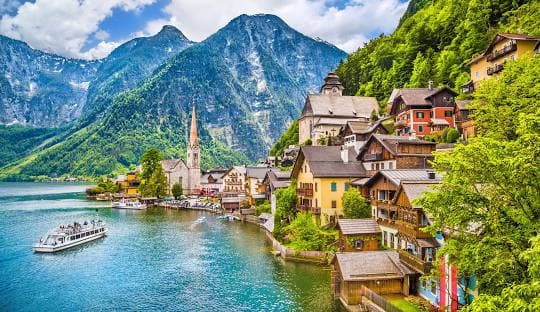

Discover the vibrant blend of rich history and innovative education in Poland, where every city feels like a classroom and each experience broadens your horizon.
Study in Poland — where tradition inspires, and innovation drives your future.
