-1.jpg&w=1080&q=75)
The ultimate guide to studying in Norway in 2025


🇳🇴 Overview: Study in Norway
Norway offers a unique blend of world-class education, breathtaking natural beauty, and a deeply inclusive, forward-thinking society. Known for its tuition-free public universities and strong welfare system, Norway attracts students who value academic excellence, sustainability, and quality of life.
With leading institutions like the University of Oslo, NTNU, and University of Bergen, Norway provides access to top-ranked programs — especially in engineering, marine sciences, environmental studies, and social sciences.
🎯 Whether you want to study in the land of the Northern Lights or dive into global challenges like climate change and innovation, Norway equips you with the tools to think critically, act sustainably, and grow globally.
🌟 Why Study in Norway?
🌍 Tuition-Free Education
Most public universities in Norway do not charge tuition — even for international students — making it one of the most affordable high-quality education destinations in Europe.
📚 Academic Freedom & Innovation
Norwegian universities encourage independent thinking, creativity, and real-world application. Programs are research-driven, interdisciplinary, and aligned with today’s global challenges.
💼 Work Opportunities for Students
International students can work up to 20 hours per week during studies and full-time in holidays. After graduation, Norway offers a 12-month job-seeking visa to help you transition into the workforce.
🏫 Top Public Universities
Learn from globally recognised universities such as the University of Oslo, NTNU (Trondheim), University of Bergen, and BI Norwegian Business School — known for research, equality, and innovation.
🏔️ Safe, Green, and Inclusive
Live in peaceful cities like Oslo, Bergen, or Tromsø and enjoy a high quality of life, low crime rates, and access to stunning nature — from fjords to Arctic adventures. Norway ranks high in happiness, sustainability, and gender equality.
💸 Tuition & Costs: Study in Norway
Studying in Norway offers excellent value — high-quality education with no tuition fees at public universities, even for most international students. While the cost of living can be high, Norway’s strong infrastructure, safety, and natural beauty make it a rewarding investment in your academic and personal growth.
🎓 Tuition Fees
At public universities, tuition is free for all students, regardless of nationality. This applies to Bachelor’s, Master’s, and PhD programs.
However, students must pay a small semester fee (typically NOK 600–900 / ~50–80 EUR), which grants access to student services and exams.
💡 Private institutions may charge tuition, especially for English-taught programs. Always check the university website.
💡 Scholarships & Financial Support
While tuition is free, scholarships are available to help cover living expenses. Common options include:
- Erasmus+ Mobility Grants
- Quota Scheme (limited and country-specific)
- University-specific grants for Master’s students
Visit the “Scholarships & Funding” section for more information.
🏠 Living Expenses
Norway has a high cost of living, especially in cities like Oslo or Bergen. Students are expected to show proof of funds when applying for a residence permit. Here’s a typical monthly breakdown:
- Rent & Utilities: NOK 5,000–8,000 (~430–700 EUR)
- Food & Groceries: NOK 2,500–3,500 (~220–300 EUR)
- Transportation: NOK 400–600 (~35–50 EUR)
- Health Insurance: Free for students staying over 12 months
- Personal Expenses: NOK 1,000–2,000 (~90–180 EUR)
Total (monthly average): ~NOK 10,000–12,000 (~850–1,000 EUR)
📍 Cost by City
- Oslo: Highest living costs but excellent student services
- Bergen & Trondheim: Slightly more affordable
- Tromsø: More remote, but housing subsidies are sometimes available
🧮 Budget Planning Tips
- Apply early for student housing through SiO or Sammen
- Cook at home and shop at budget supermarkets like Rema 1000 or KIWI
- Use student discounts on transportation and cultural events
- Join the student welfare association (included in semester fee)
✈️ Don’t forget upfront costs:
→ Student residence permit (~NOK 5,900 / ~500 EUR)
→ Flight tickets
→ Deposit for housing (usually 2–3 months’ rent)
🛂 Visa & Work Opportunities for International Students in Norway
To study in Norway, non-EU/EEA students must obtain a Student Residence Permit, which allows you to study full-time at an accredited Norwegian institution and work part-time during your studies. Norway offers excellent post-graduation opportunities, especially for students with in-demand skills and strong academic records.
💡 With the right permit and career planning, Norway can be a gateway to building a long-term future in Europe.
📌 Norwegian Student Residence Permit
🎓 Who Is It For?
Non-EU/EEA students admitted to a full-time program at a recognised Norwegian university or college.
📝 Key Requirements
- Letter of Admission from a recognised institution
- Proof of sufficient funds (approx. NOK 137,907 / ~12,500 EUR per year)
- Valid health insurance or coverage under the Norwegian National Insurance Scheme
- Proof of housing in Norway
- Passport valid for the entire study period
🔄 Permit Features
- Valid for one year, renewable annually
- Allows up to 20 hours of work per week during the semester
- Full-time work permitted during official holidays
- Dependents (spouse & children) may apply for family reunification, but with more restrictions than in other countries
🔗 More info: UDI – Study Permit for Norway
💼 Work Opportunities During Studies
✅ Part-Time Jobs
International students can work up to 20 hours/week. Common jobs include:
- Hospitality (cafés, restaurants)
- Retail
- Student assistant roles at the university
- Language tutoring and freelancing (especially for English speakers)
Note: A separate part-time work permit is not required — work rights are granted with your student residence permit.
✅ Internships & Research Roles
Some programs offer internships or research-based assistantships, especially at the Master’s and PhD levels. These may be paid or unpaid and contribute toward professional experience.
🎯 Post-Study Work Opportunities
After graduation, non-EU/EEA students can apply for a Job-Seeking Residence Permit, which allows them to stay in Norway for up to 12 months while searching for qualified employment.
🔹 Job-Seeker Permit
- Valid for 1 year
- Must apply before your student permit expires
- Must prove financial means (same amount as for student permit)
- Intended for job search or start-up activities
🔹 Skilled Worker Visa
If you find relevant employment, you can transition to a residence permit as a Skilled Worker, opening the door to long-term residence and potentially permanent residency.
📍 Fields like IT, engineering, health, energy, and marine sciences have high demand for skilled graduates in Norway.
🔗 More info: UDI – Job-Seeking Residence Permit
🧠 Permit Compliance & Tips
- Stay enrolled full-time and make academic progress
- Renew your permit before it expires
- Always maintain valid health insurance
- Report changes (address, institution, employment) to UDI
- Do not exceed allowed work hours — violations may lead to permit revocation
⚠️ Working without authorisation or overstaying your permit may result in bans or deportation.
🏛️ Top Universities in Norway
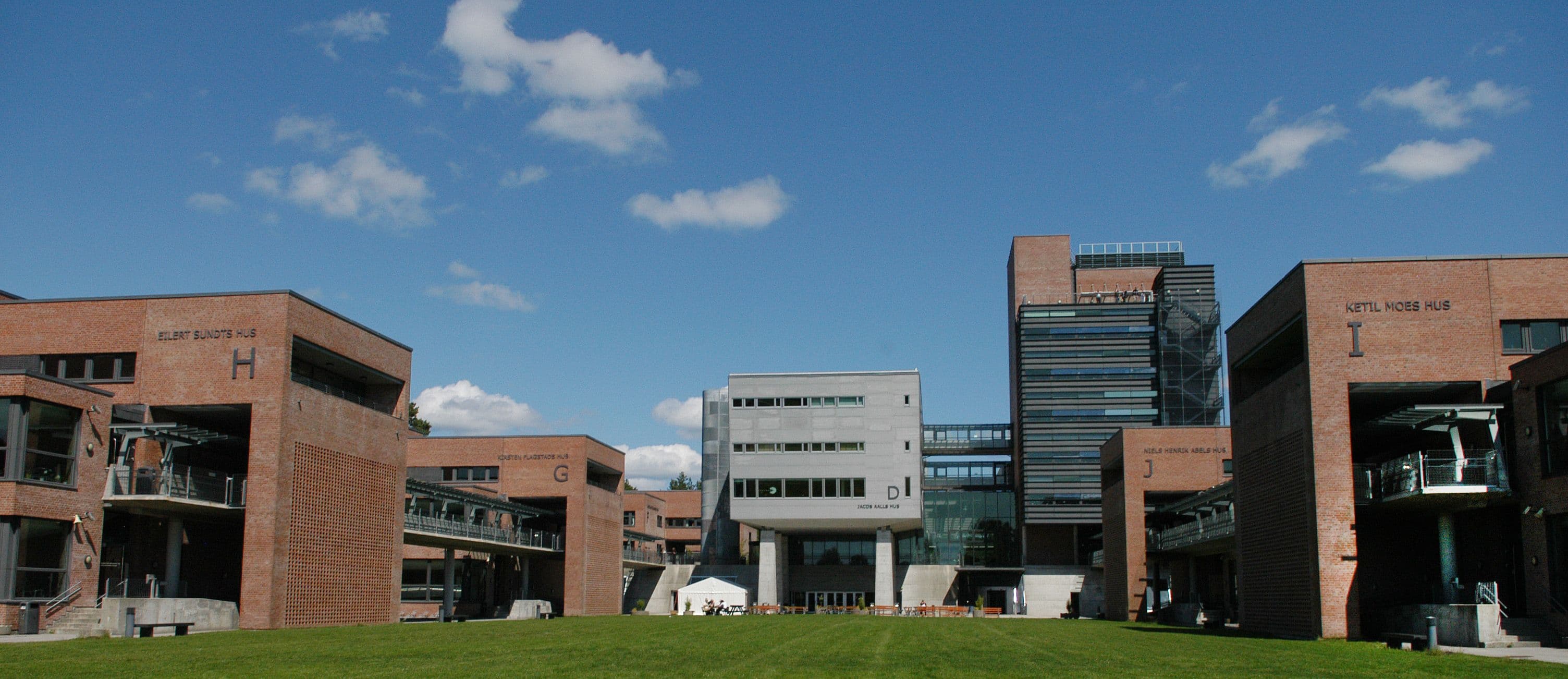
Norway is home to a number of internationally respected universities that combine academic freedom, cutting-edge research, and a strong commitment to sustainability and equality. Norwegian institutions consistently perform well in global rankings, especially in fields like engineering, climate science, public health, and social sciences.
🎓 Many Norwegian universities are ranked in the top 500 globally, and most offer English-taught Master’s and PhD programs with a strong research focus and European academic networks.
🌟 Leading Norwegian Universities for International Students
University of Oslo (UiO)
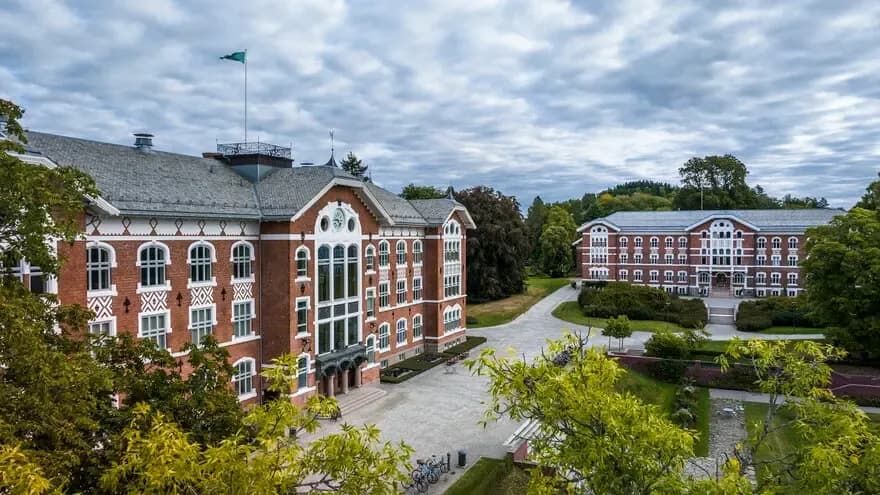
Norway’s oldest and most prestigious university, UiO is known for excellence in medicine, humanities, law, and political science. It offers a wide range of English-taught Master’s programs and has strong ties to European research consortia.
Norwegian University of Science and Technology (NTNU)
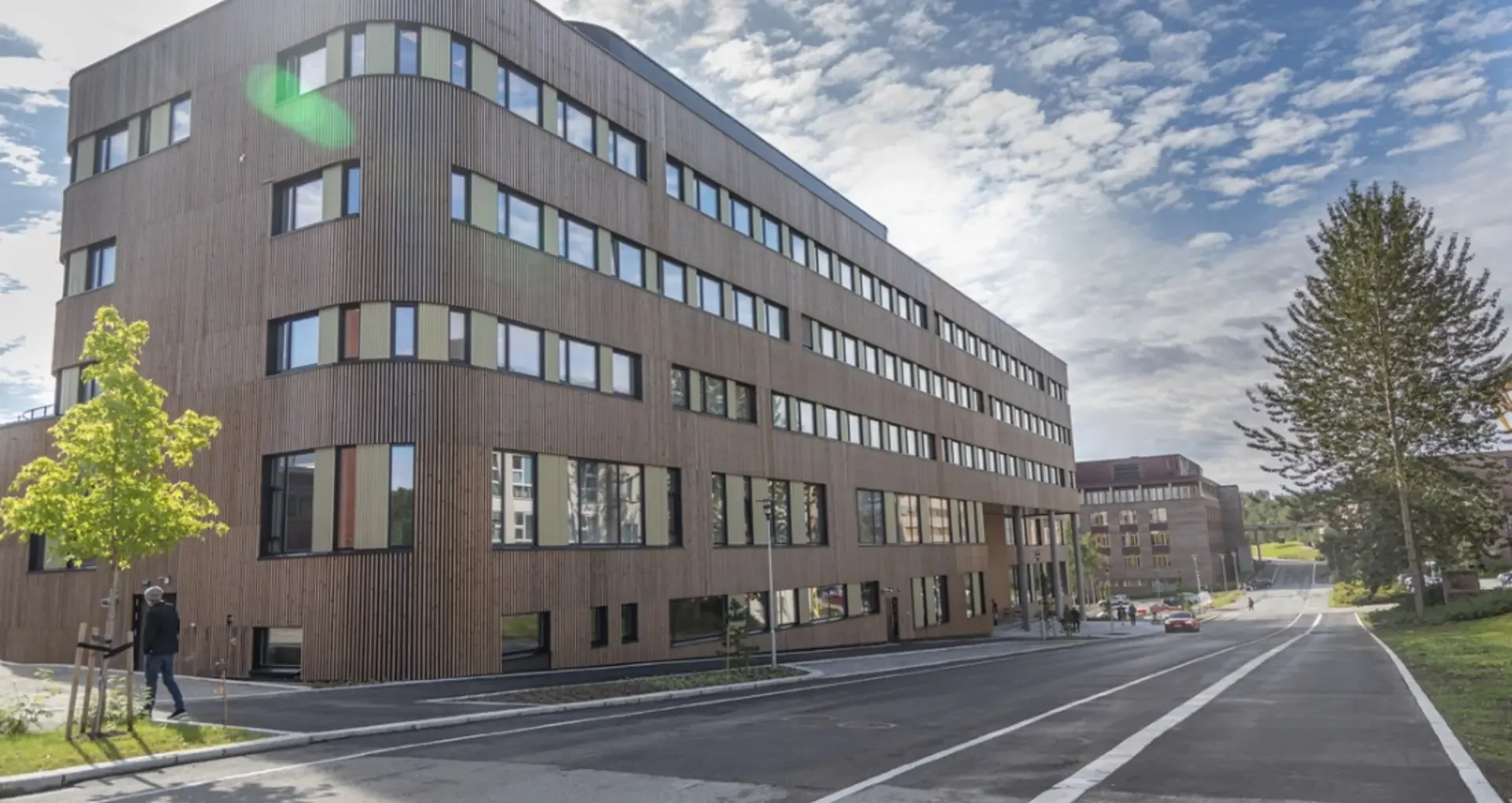
Located in Trondheim, NTNU is the country’s leading institution for engineering, technology, and natural sciences. It’s a top choice for students in marine research, AI, and renewable energy.
University of Bergen (UiB)
A coastal university renowned for climate and marine research, health sciences, and social sciences. UiB places strong emphasis on interdisciplinary studies and global collaboration, particularly in sustainability.
BI Norwegian Business School
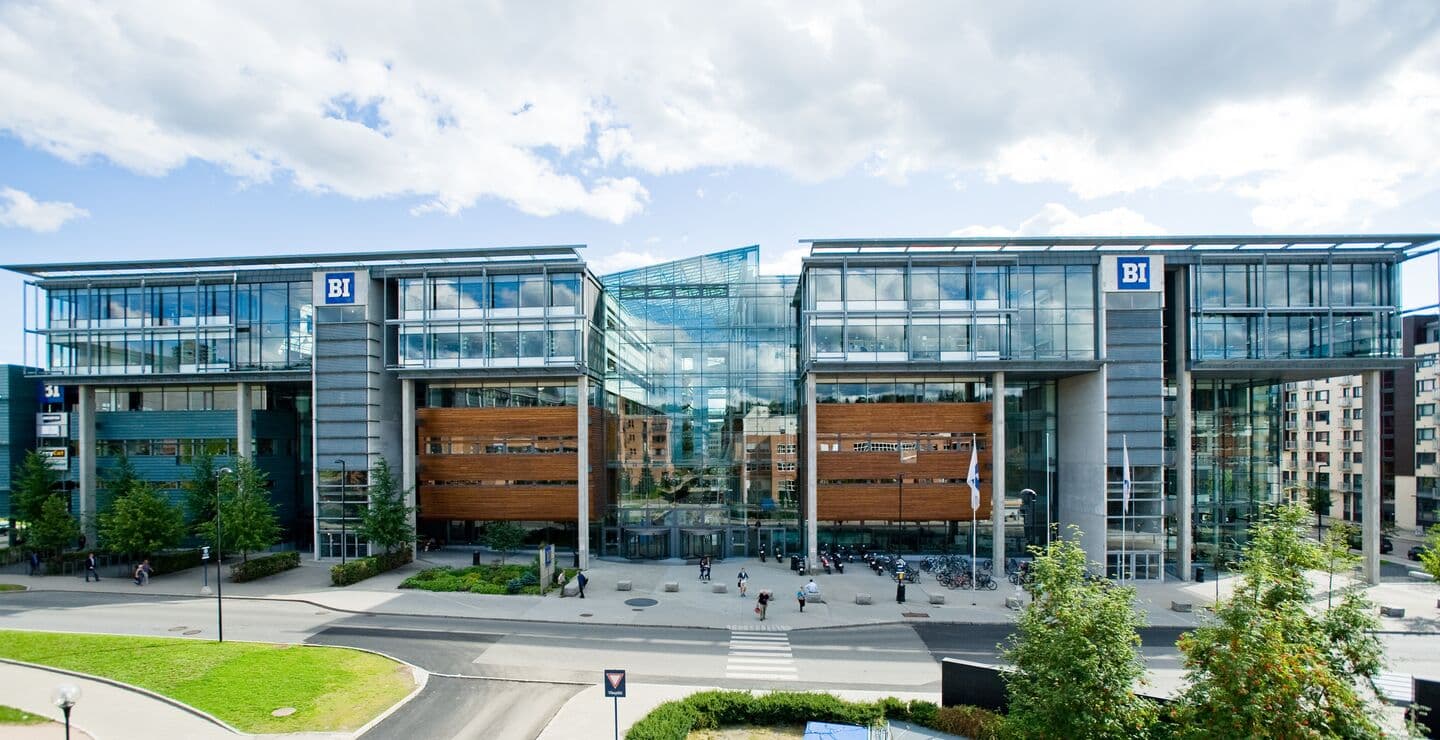
One of Europe’s largest and most modern business schools. BI offers fully English-taught programs in finance, marketing, and entrepreneurship, and is EQUIS-accredited.
NMBU – Norwegian University of Life Sciences
Based in Ås, NMBU is a top institution for veterinary medicine, environmental science, and development studies. Ideal for students interested in sustainability and green innovation.
🧭 Other Notable Institutions
- OsloMet – Oslo Metropolitan University: Practice-oriented programs in health, education, and journalism
- University of Tromsø – The Arctic University of Norway: Specialises in Arctic studies, indigenous research, and space sciences
- Nord University: Emerging hub for business, biodiversity, and blue economy studies
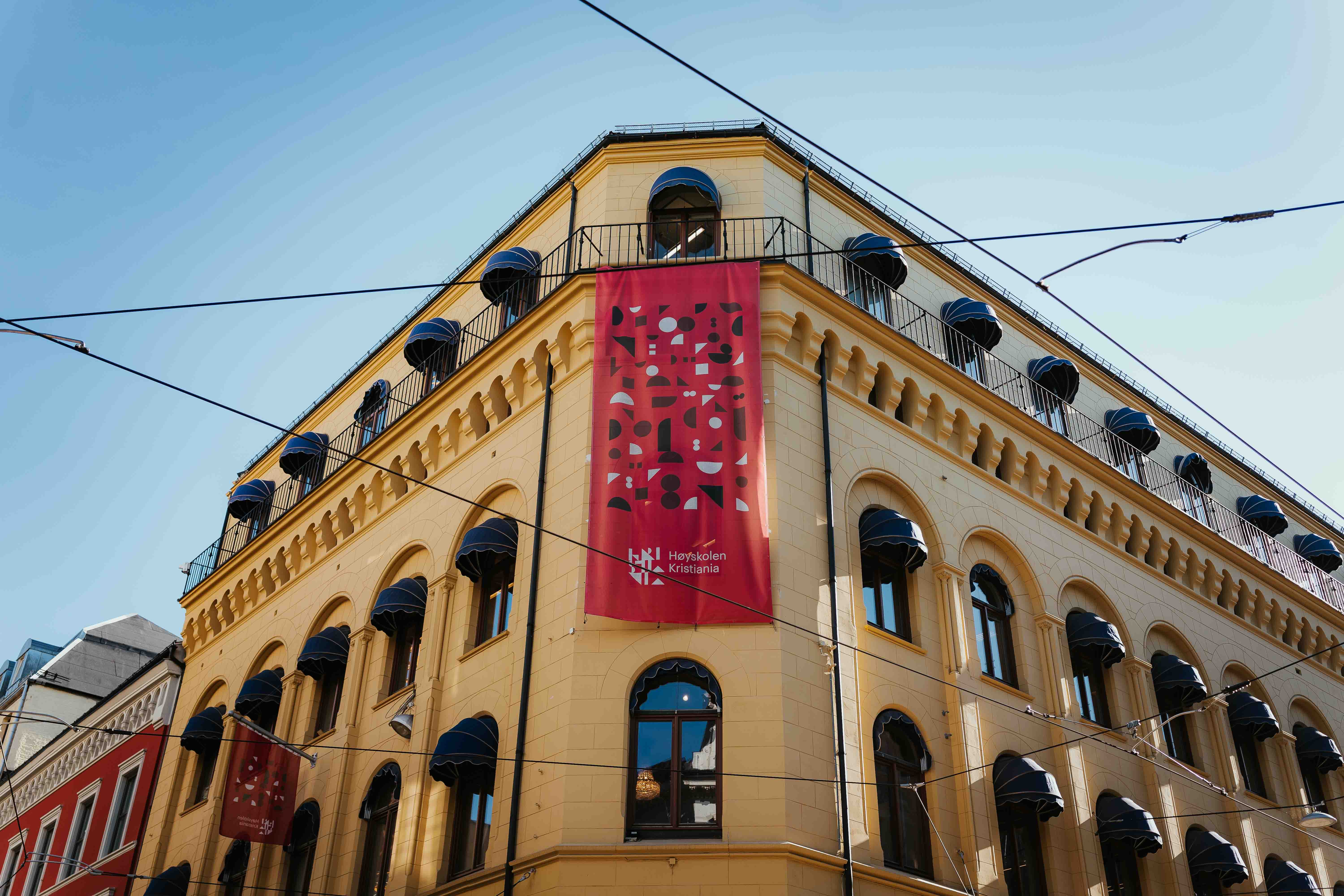
- Kristiania University College: Offers creative arts, communication, and technology programs in Oslo and Bergen
💡 Most universities in Norway participate in Erasmus+, Nordplus, and Horizon Europe programs, offering unique mobility and funding opportunities.
🔍 How to Explore Rankings and Programs
- QS World University Rankings
- Times Higher Education (THE)
- Study in Norway Official Portal
- NOKUT & NORDIC ENIC-NARIC – Accreditation and recognition body
🗣️ English Requirements for Studying in Norway
If you’re planning to study in Norway in an English-taught program, you must demonstrate your English language proficiency through a standardised test or meet specific academic qualifications. Each university sets its criteria, so it’s essential to review the requirements for your chosen degree and institution.
🎯 Most Master’s programs taught in English will require an official English test unless you’re from a native-speaking country or have studied in English previously.
✅ Most Commonly Accepted English Language Tests
IELTS Academic
- Widely accepted across Norwegian universities
- Minimum overall band score: 6.0–6.5
- No band (Reading, Writing, Listening, Speaking) typically below 5.5–6.0
TOEFL iBT
- Accepted by all major institutions
- Typical minimum score: 80–90
- Test must be taken within the last 2 years
PTE Academic
- Accepted by a growing number of institutions
- Minimum score usually between 55–62, depending on the program
Cambridge English (C1 Advanced / CAE)
- Recognised across Norwegian universities
- Minimum score: 169–180+, depending on the program
Duolingo English Test (DET)
- Accepted by select universities only
- Minimum score: 100–115, but not valid for visa purposes
- Always check if your program accepts DET
🔄 Alternatives & Exemptions
You may be exempt from submitting a test score if you meet one of the following:
- Completed a degree in an English-speaking country
- Have 1+ years of full-time study in English at a recognised institution (varies by university)
- Completed the International Baccalaureate (IB) with English A or B
- Took English as the primary language of instruction in upper secondary education (if recognised by NOKUT)
📍 Example Requirements from Top Universities
University of Oslo (UiO)
- IELTS 6.5 overall, no section below 6.0
- TOEFL iBT 90 (minimum 20 in each section)
NTNU – Norwegian University of Science and Technology
- IELTS 6.0 (minimum 5.5 in all bands)
- TOEFL iBT 80 (minimum 20 in writing)
University of Bergen (UiB)
- CAE: Minimum 169
- PTE: Minimum 62
🔗 Tip: Each program may have stricter requirements, especially in law, education, or health sciences.
🧠 Tips for Applicants
- Take your test well before application deadlines (October–January for most programs)
- Ensure test results are valid for at least 2 years at the time of admission
- Submit official scores via the test provider’s platform (ETS, IELTS IDP, etc.)
- Always check the program page or Study in Norway for up-to-date requirements
📝 Application Process: How to Apply to Norwegian Universities
Applying to study in Norway is a clear and structured process, but it requires careful planning — especially for non-EU/EEA applicants, who must meet strict documentation and financial requirements. Undergraduate, Master's, and PhD programs often have different timelines and platforms, so it’s crucial to follow the correct steps for your level of study.
🎯 Most Master’s programs for international students have one intake per year — typically starting in August, with application deadlines between October and December of the previous year.
✅ Step-by-Step Guide to Applying
📌 Choose Your Program and Institution
Start your research early on trusted platforms like Study in Norway, individual university websites, or NOKUT.
Key factors to consider:
- Language of instruction (Norwegian vs. English)
- Tuition cost (if private)
- Location and lifestyle
- Admission competitiveness
- Scholarships or funding options
📌 Check Admission Requirements
Each university and program has its entry criteria. Common documents include:
- Certified transcripts and diplomas (translated into English or Norwegian)
- English language test scores (IELTS, TOEFL, PTE, etc.)
- Passport copy
- Letter of motivation / Statement of Purpose
- Letters of recommendation (Master’s/PhD)
- CV or résumé
- For PhD: research proposal and supervisor confirmation
💡 Some undergraduate programs require prior completion of one year of university education, depending on your country of origin.
📌 Apply via the Right Platform
Your application route depends on your citizenship and program type:
- Undergraduate (non-EU/EEA): Apply via Samordna opptak
- Master’s: Apply directly through the university’s online portal
- PhD: Applications are usually vacancy-based and listed under “Jobs” on university sites
- EU/EEA students: May have separate application routes, often with later deadlines
📌 Receive and Accept the Offer
If accepted, you’ll receive a Letter of Admission.
Make sure to:
- Read any conditional requirements (final grades, documents, language scores)
- Confirm your admission within the deadline
- Begin preparing for your residence permit application
📌 Apply for a Student Residence Permit
Submit your application online via UDI (Norwegian Directorate of Immigration):
You will need:
- Letter of Admission
- Proof of sufficient funds (approx. NOK 137,907 per year)
- Housing confirmation
- Valid passport
- Health insurance (depending on length of stay)
🕒 Apply early — processing can take 1–2 months or longer depending on the country
📌 Prepare for Arrival
Once your permit is approved:
- Book your flight and accommodation
- Register with the local police within 7 days of arrival
- Get your student ID, open a Norwegian bank account, and apply for a D-number (national identity)
🧠 Tips for a Smooth Application
- Begin your application prep at least 9–12 months in advance
- Make sure all documents are officially translated and certified
- Verify that your home country’s qualifications are recognised by NOKUT
- Keep scanned copies of every document
- Contact the university’s international office — they are usually very responsive and helpful
🎓 Scholarships & Funding for International Students in Norway
Norway offers a variety of scholarships and funding options for international students, particularly at the Master’s and PhD levels. While public universities generally offer tuition-free education, students still need to cover their living expenses, and scholarships can help ease that burden.
💡 Most scholarships are offered through exchange agreements, EU/EEA programs, or university-specific grants — especially for students from developing countries or those applying to joint degrees.
💰 Types of Scholarships Available
🎯 Merit-Based & Needs-Based Scholarships
Some universities offer merit-based or needs-based funding for non-EU/EEA students, especially at the Master's level. These may include:
- Tuition waivers (where applicable)
- Monthly living stipends
- Accommodation support
🏫 Example: BI Norwegian Business School offers the BI Presidential Scholarship and Master of Science International Scholarship covering full/partial tuition and living costs.
💡 Government-Funded Programs
Quota Scheme (Historic – replaced by new bilateral agreements)
Previously offered to students from the Global South, Eastern Europe, and Central Asia. Now replaced with more targeted agreements between Norway and individual countries/universities.
Norwegian Partnership Program for Global Academic Cooperation (NORPART)
Supports Master’s and PhD mobility in partnership with developing countries. Covers travel, insurance, and subsistence support.
Erasmus+ & Nordplus Mobility Grants
For EU/EEA and eligible partner countries. Offers funding for:
- Short-term exchange stays
- Joint programs
- Research collaboration
🌐 University-Specific Scholarships
Many universities in Norway offer their scholarships for international students. Examples include:
- University of Oslo – UiO International Summer School Scholarships (covers tuition, housing, meals)
- NTNU – Erasmus Mundus Joint Master's Degrees (EMJMD) and partner-funded grants
- NMBU – Scholarships through global development partnerships
- University of Bergen – Funding for students in joint programs and research projects
These opportunities may require:
- A separate scholarship application
- Proof of academic excellence or financial need
- Motivation letter or research plan (for research degrees)
📌 How to Increase Your Chances
- Apply well before deadlines – some scholarships close in October–December for the next academic year
- Submit a strong motivation letter aligned with your study goals
- Emphasise academic performance, relevant work or research experience
- Have your documents certified and translated (if not in English/Norwegian)
- Monitor both university scholarship pages and partner programs in your home country
🔗 Use portals like studyinnorway.no and the websites of individual universities for updated scholarship lists.
🧑🎓 Student Life in Norway
Studying in Norway means more than just earning a degree — it’s a unique opportunity to live in one of the world’s most peaceful, progressive, and environmentally conscious societies. With vibrant student communities, access to breathtaking nature, and a focus on equality and inclusion, Norway offers international students a lifestyle that blends academic excellence with personal growth.
🌍 With students from over 150 countries, you’ll be welcomed into a multicultural and collaborative academic environment that encourages independent thinking and global engagement.
🏛️ Campus Life & Culture
Norwegian universities are known for their open, informal culture — where professors are approachable and student voices matter. Most campuses are modern, digitally equipped, and integrated into urban or natural surroundings.
You can:
- Join student associations and local unions (studentlag)
- Participate in academic forums, hiking trips, debate nights, and film clubs
- Enjoy on-campus gyms, canteens, quiet zones, and community spaces
- Take part in events like International Week, Fadderuka (buddy week), and student democracy meetings
📍 Tip: Student welfare organisations (SiO, Sammen, Sit, etc.) offer affordable housing, health services, dining, and events.
🏠 Student Housing Options
Students in Norway typically live in one of the following:
On-Campus or Student Housing (via SiO, Sit, Sammen):
→ Affordable rooms in student villages or shared flats
→ Monthly rent: NOK 3,500–6,000 (~300–500 EUR)
→ Often includes internet, laundry, and shared kitchens
→ High demand — apply early!
Private Rentals:
→ Shared flats or studio apartments
→ Rent varies by city: from NOK 5,000–9,000 (~400–750 EUR)
→ Websites like Hybel.no, Finn.no, and Facebook groups are common search tools
🏡 Homestays are less common but may be available in smaller towns or through cultural exchange programs.
🏥 Healthcare & Student Support
Students staying more than 12 months are automatically enrolled in the Norwegian National Insurance Scheme, giving access to public healthcare.
If staying less than a year, you must have private health insurance.
💬 Universities offer:
- Free counselling and mental health support
- Academic writing and language workshops
- Career services and job search help
- Dedicated international student coordinators
🌐 Diversity & Inclusion
Norway promotes social equality, LGBTQ+ rights, and gender balance. Universities foster inclusion through accessible learning, anti-discrimination policies, and multilingual communication.
You’ll meet students from across Europe, Asia, Africa, and the Americas, sharing ideas and cultures in a respectful and cooperative atmosphere.
📱 Useful Apps for Students in Norway
Entur – Journey planner for all public transport
Ruter / Skyss / AtB – City-specific transit apps (Oslo, Bergen, Trondheim)
Vipps – Norway’s mobile payment app (very commonly used)
Too Good To Go – Get cheap surplus food from restaurants and bakeries
Hybel / Finn.no – Find housing or second-hand items
Canvas / Inspera – Platforms used by most universities for assignments and exams
💼 Internships & Jobs for International Students in Norway
Gaining work experience while studying in Norway is an excellent way to build your CV, integrate into Norwegian society, and prepare for a career in Europe. While the cost of living can be high, part-time jobs and internships help students fund their studies and develop local professional networks.
💡 Norway allows international students to work part-time, and many universities support internships, project placements, or research assistant roles — especially at the Master’s and PhD levels.
🏫 Part-Time Jobs During Studies
International students in Norway can work:
- Up to 20 hours per week during academic terms
- Full-time during university holidays (e.g., summer, Christmas)
Common part-time job areas include:
- Cafés, restaurants, and catering
- Shops and supermarkets
- Delivery or logistics (e.g., Posten, food delivery)
- Language tutoring, especially English
- University roles (student ambassadors, library, IT helpdesk)
📍 No additional work permit is needed — your student residence permit includes the right to work. However, you must maintain satisfactory academic progress to keep your permit valid.
🔄 Internships & Work Experience
While internships are not always integrated into Norwegian degree programs, many universities offer options such as:
- Credit-based project placements (particularly in business, engineering, and social sciences)
- Summer internships with research institutes or public organisations
- Part-time research assistantships (especially for Master’s/PhD students)
- Start-up internships via innovation hubs and student incubators
🎓 Universities like NTNU, UiO, and BI Norwegian Business School actively partner with local industries to connect students with work-based learning opportunities.
💡 Paid internships are more common in engineering, data science, environmental studies, and technology startups.
🎯 Post-Study Work Opportunities
After completing your studies, non-EU/EEA students can apply for a 12-month Job-Seeking Residence Permit, allowing you to:
- Stay in Norway while looking for qualified employment
- Work full-time in any sector
- Transition to a Skilled Worker Visa once you receive a relevant job offer
Sectors with strong graduate demand:
- IT & Software Development
- Renewable Energy & Engineering
- Healthcare & Public Sector
- Marine & Environmental Sciences
🔍 How to Find Internships & Jobs
Use university career services for:
- CV & cover letter guidance (Norwegian or international format)
- Job and internship fairs
- Interview coaching & employer networking
Top platforms to search:
- Finn.no – Norway’s largest job portal
- Jobbforbundet.no – Public sector listings
- NAV.no – Official employment and social services
- Graduateland – Europe-wide internships
- LinkedIn – For local and international networking
📌 Tip: Learn basic Norwegian — even an A2 level improves job prospects, especially for part-time work and local companies.
🎯 After Graduation: Stay, Work & Settle in Norway
Graduating from a Norwegian university opens the door to exciting career and residency opportunities. With a growing demand for skilled professionals in areas like technology, engineering, green energy, and healthcare, international graduates are well-positioned to build a long-term future in Norway.
💡 Norway supports international graduates through job-seeker permits and clear skilled worker pathways, especially for those with relevant education and local work experience.
✅ Step 1: Job-Seeking Residence Permit
After graduation, non-EU/EEA students can apply for a Job-Seeking Residence Permit, which allows them to remain in Norway for up to 12 months to find employment or start their own business.
🔹 Who is Eligible?
- Graduates of Norwegian universities (Bachelor’s, Master’s, or PhD)
- Must apply before your student permit expires
🔹 Requirements:
- Proof of completed degree in Norway
- Documentation of sufficient funds (~NOK 137,907/year)
- Health insurance coverage
- Valid passport
🔗 More info: UDI – Job-Seeker Residence Permit
💼 Step 2: Skilled Worker Residence Permit
Once you receive a relevant job offer, you can transition to a Skilled Worker Permit — Norway’s most common pathway for long-term residence.
🔹 Key Criteria:
- The job must be full-time and relevant to your field of study
- Employer must be registered in Norway and offer a salary that meets national standards
- You must have completed higher education or vocational training relevant to the position
✅ Fields in demand include:
- Engineering (civil, marine, renewable energy)
- IT & Software Development
- Healthcare (nurses, medical technologists)
- Education & Childcare
- Maritime, Aquaculture, and Environmental Science
🔗 More info: UDI – Skilled Worker Permit
🏢 Step 3: Long-Term Stay & Permanent Residency
After several years of legal residence and work, you may be eligible to apply for Permanent Residency (PR), which offers enhanced rights and security.
🔹 General Eligibility for PR:
- Lived in Norway for at least 3 years with a valid residence permit
- Completed Norwegian language and social studies courses
- No serious criminal record or immigration violations
- Financial self-sufficiency
🎯 PR Benefits:
- Live and work anywhere in Norway without renewal requirements
- Access to public benefits and social services
- Easier pathway to Norwegian citizenship
- Ability to sponsor family reunification
🛤️ Optional: Start-Up & Innovation Pathway
Graduates interested in entrepreneurship may explore self-employment permits, especially in innovation and tech sectors. These require a business plan, financial documentation, and a clear value proposition.
📍 Norwegian Innovation Clusters and Startup Labs (e.g., in Oslo, Bergen, Trondheim) offer support, mentoring, and funding for early-stage ideas.
🔗 Useful Resources
- UDI – Post-Study Work & Permits
- NAV – Job Search & Career Support
- Work in Norway Portal
- Innovation Norway – Start-Up Resources






.png&w=640&q=75)




.png&w=640&q=75)
-2.png&w=640&q=75)
-2.png&w=640&q=75)
.jpg&w=1080&q=75)
.png&w=640&q=75)
Norway offers tuition-free, high-quality education in a safe, inclusive, and nature-rich environment — ideal for students seeking academic excellence and post-study career opportunities.
